
Best Places to Propose in Chiang Mai: Gardens, Old City Corners and Mountain Views
Chiang Mai lets you choose the whole mood of your proposal. You can walk through a green garden with Lanna architecture ahead of you, pause beside the Old City walls, or turn a trip into the mountains into the day you get engaged. The city has colour, warmth and an easy pace, but the loveliest backdrop isn't automatically the best place to ask the question.
The smart plan separates two things: where the proposal feels natural and where you take portraits afterwards. That matters most around active temples. Their red roofs, gold details and shaded courtyards are beautiful, yet they're places of worship first. A garden, quiet public corner or agreed private venue can hold the question, then a respectful temple walk can add the unmistakable Chiang Mai details to your photographs.
Updated

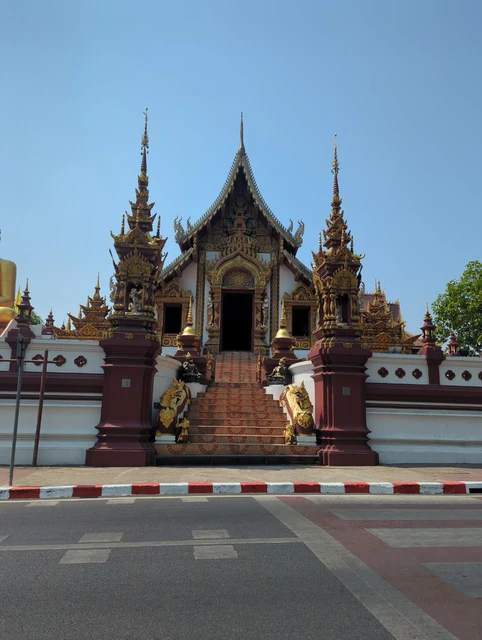
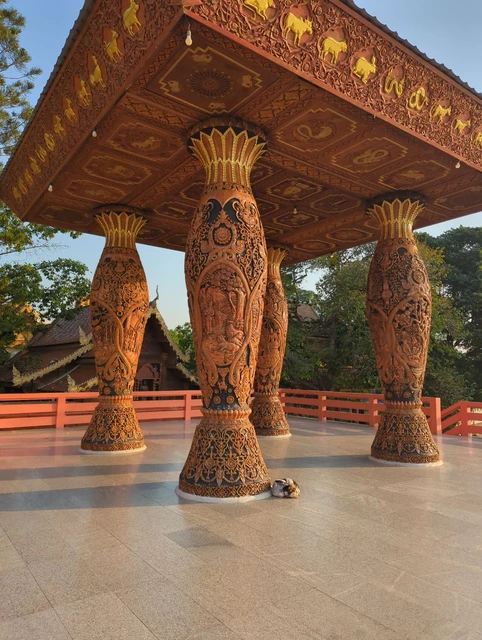
Table of Contents
Best places to propose in Chiang Mai at a glance
Tha Phae Gate and the Old City: brick, streets and a walking story. This suits you if your ideal proposal feels like a city date rather than a formal setup. Pick a clear standing point near the gate or moat, then continue through streets, cafés and smaller wall sections. The old brick is the background, never a platform to climb.
Wat Rajamontean and nearby moat bridge: the portrait route after the yes. The temple, decorated bridge and architecture across the water give you three looks in a compact area. Use an agreed non-sacred public position for the question, then visit the temple grounds for respectful portraits if current rules allow.
Wat Saen Mueang Ma Luang and Wat Chedi Luang: red, gold and old brick. These are temple wishes, not automatic proposal stages. They work best as part of the celebration walk, with shoulders and knees covered and normal worship continuing around you.
Doi Suthep: a mountain journey with a sacred destination. Choose it when the trip up the mountain is part of your relationship story. The stairs, carved pavilion columns and views can be wonderful for portraits, but the active religious spaces deserve a separate conversation about what is respectful and permitted.
Queen Sirikit Botanic Garden and Mae Rim: a full green day outside the centre. This is not a quick add-on to an Old City walk. It suits you when glasshouses, planted landscapes and the countryside are the main event, with current access and photography permission checked before the plan is fixed.
A private stay or nature venue: the easiest place for a setup. A balcony, garden or covered terrace at your accommodation can give you control over decorations, timing and a rain alternative. “Private” only applies when the venue has actually reserved the space for you.
Start by choosing one atmosphere, not a list of famous sights. Chiang Mai is much more romantic when you aren't trying to race from a garden to a temple and up a mountain before dinner.
Royal Park Rajapruek is the clearest garden proposal choice
There are two particularly useful ways to shape the moment. For the wide version, you walk along an agreed avenue with the pavilion behind or beyond you. Your photographer waits off the path with a clear line towards the cue point. You stop at a marker chosen during the scout, turn towards each other and ask. The photographs keep the scale of the park and that unmistakable building in view.
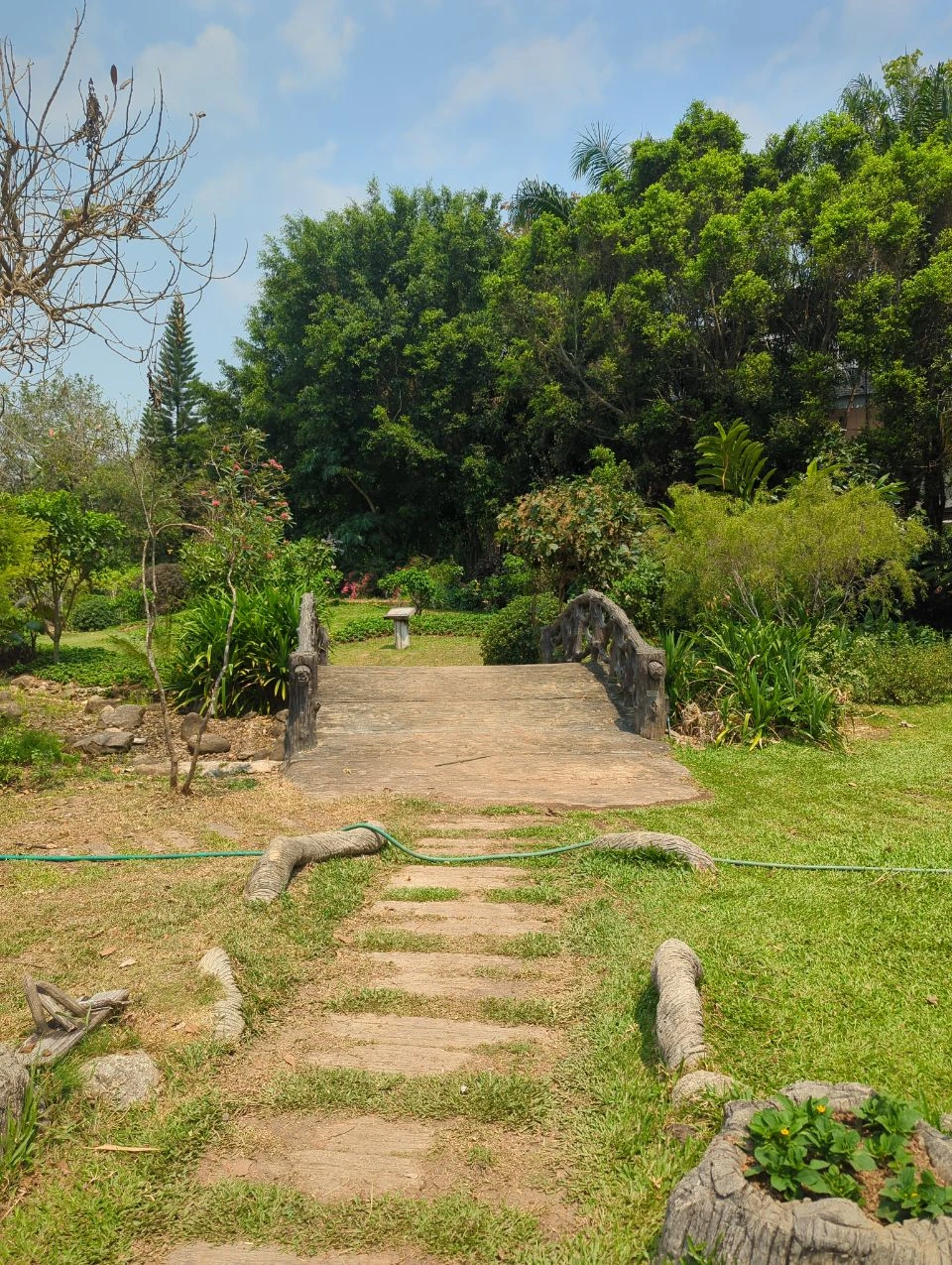
The smaller version uses a garden or water-side corner. It feels softer and more enclosed, with leaves, reflections or a little bridge doing the visual work. Your photographer can wait across the water or farther down the path, which makes the camera easier to hide than on a straight central avenue. After the answer, you can move towards the grander view for portraits, so you get intimacy first and scale afterwards.
This is for you if you want the proposal and the portrait session to happen in one destination, with enough visual variety to keep the next half-hour exciting. It also gives you a nearby alternative when one path is busy or the light is sharp.
The park's size is both the magic and the planning challenge. Save the exact entrance, path and cue point, and agree how you'll travel within the grounds. Current opening, admission and organised photography conditions should come from the park for your date. Our old visit price isn't useful enough to plan around now, so it stays out of the promise.
Tha Phae Gate makes the Old City feel part of the story
The main square isn't the only position. During our visit, the space immediately in front of the gate was lively, while angles through the gate and towards the sides gave different views of the walls. Your photographer should scout the side that gives a clean line without blocking the entrance. You approach from the agreed direction, pause at the cue point and keep the wall behind you rather than placing yourselves against it.
The old brick sections around the moat offer quieter-looking frames from public paths. They're fragile historic structures, so you stay on the pavement or opposite side of the water and let the wall sit deeper in the photograph. No climbing, sitting on loose brick or touching the surface is needed. The city looks better when it still has its walls tomorrow.
Tha Phae is also known for photographs with flocks of pigeons. We wouldn't build a proposal around chasing or startling birds. The gate, timber doors, brick line and everyday city movement already tell the story. After the yes, walk into the Old City for a café stop or continue to a shaded moat corner. That gives your photographer a natural sequence rather than one crowded photograph and an awkward “what now?”
Choose this over Royal Park Rajapruek when streets, food and city life are more important to you than planted scenery. Choose the garden when you want a longer route inside one managed green space. Both are recognisably Chiang Mai, just in completely different voices.
Keep temple beauty in the plan without turning worship into a prop
Treat the question and the temple visit as two decisions. Ask at a garden, an agreed public corner or a private venue. Then, if the current temple rules and local guidance support photography, continue for a short portrait walk. Keep entrances, prayer areas and routes clear. Dress for the visit from the start, with shoulders and knees covered where required, and follow any instruction from staff or monks without trying to negotiate the moment.
This approach doesn't make the plan less romantic. It gives the proposal its own space and lets the temple remain what it is. You can enjoy the details without wondering whether a hidden camera or sudden kneel is interrupting someone else's worship.
Wat Rajamontean gives you three portrait moods in a short walk
A smooth plan starts outside the sacred space. Use a public moat-side point or another confirmed nearby position for the question, with your photographer waiting across the line of approach. Once you've had that first breath and the ring is safely on, walk towards the bridge. Its covered middle can offer shade, while a lengthwise angle keeps the flags, water and crossing visible.
Then move to the temple grounds only if current rules allow. During our visit, the right side near the entrance held more shade and the stairs, windows and gold details created strong portrait backgrounds. The photographer can work quickly from normal visitor areas without asking you to occupy a doorway or stand in front of a Buddha image.
This route works beautifully after an Old City proposal because the story keeps moving: question by the moat, bridge photographs, then a few architectural portraits. It isn't a second proposal location squeezed into the day. It's the celebration walk, and that's plenty.
Wat Saen Mueang Ma Luang and Wat Chedi Luang add very different textures
Wat Chedi Luang offers a different sense of scale, with its historic chedi at the heart of an active temple complex. If it's high on your wish list, plan it as a respectful visit after a proposal elsewhere in the Old City. Confirm current visitor and organised photography rules, keep the portrait part light and let worship take priority.
The choice between them is visual rather than competitive. Wat Saen Mueang Ma Luang gives you intimate doors, colour and layered details. Wat Chedi Luang gives you monumental old brick. You don't need both in one short session. Pick the one that adds something genuinely new to your proposal photographs, then leave enough time to enjoy it rather than collecting temples like stamps.
Doi Suthep is a journey first and a proposal backdrop second
Our field notes found the strongest portrait light around the outer route rather than the innermost sacred area. A pavilion with four carved reddish-brown columns created shade and rich detail, and the wider circuit led towards city views. Those observations are useful for portraits. They don't by themselves make the religious complex the right place for the question.
If Doi Suthep belongs in your story, choose a respectful, agreed point outside the core worship space or ask elsewhere on the mountain at a place where the proposal is clearly allowed. Your photographer arrives first and confirms the route. You approach without rushing, ask at the approved marker, then continue to the pavilion and viewpoint for portraits if conditions suit.
This is for you if the journey matters as much as the final photograph. It's a weaker fit when you want a tightly timed surprise before a city dinner, when mobility makes stairs uncomfortable, or when mountain visibility is poor. In those cases, Royal Park Rajapruek gives you Lanna character and greenery with a simpler day flow.
Mae Rim and Queen Sirikit Botanic Garden deserve their own half-day
The official garden identifies Mae Rim as its location. Current visitor information, internal transport, access to glasshouses or canopy areas and organised photography permission all need a direct check before you choose the cue point. A beautiful picture online may show a section that's closed, ticketed separately or impractical at the hour you want.
The reward for doing that work is a proposal day built around green scenery rather than city landmarks. You can choose a planted path, a glasshouse setting or an open view, then continue through the garden after the yes. Your photographer should arrive early enough to confirm the exact route and a nearby covered alternative. Mae Rim weather can move at its own pace, and a glass roof is much more useful when it's part of the plan than when it's spotted during a downpour.
Choose this route when you want the countryside and gardens to fill the day. For a faster green plan closer to the city, Royal Park Rajapruek is usually the more coherent choice. Trying to do both turns romance into a transport documentary.
A private stay gives decorations and rain plans a real home
Start with permission, not decoration. Ask the property which space can be reserved, what can be placed there, how early suppliers may arrive and what the covered alternative is. A balcony attached to your room may be private for guests, while a shared garden or scenic terrace usually isn't. The venue's written confirmation defines the plan.
The sequence can be wonderfully simple. You leave for what appears to be a drink or dinner. The photographer is already in the agreed position. A staff member or message gives the ready cue. You walk onto the balcony or into the garden, stop at the marker and ask. After the reaction, you take a few portraits there, then move straight into dinner or a short nearby walk.
Keep wildlife and animal encounters out of the default plan. They need their own welfare, operator and safety assessment and aren't required to make Chiang Mai feel special. The mountains, trees and Lanna details can do that beautifully on their own.
Give your photographer one exact Chiang Mai sequence
Share the route and a current outfit photo. Choose a cue that feels normal, such as pausing at a garden marker, looking back at the gate or stepping onto an agreed bridge section. Your photographer arrives first, checks the light and visitor flow, then sends one ready message. You approach, reach the point and ask. After the first reaction, the photographer comes closer and the hidden camera becomes a relaxed portrait session.
Our Chiang Mai photographers can help connect that sequence to the garden, Old City or mountain atmosphere you want. You can focus on your partner instead of trying to identify a stranger behind every tree.
Give the nearby alternative the same level of detail. At Rajapruek it might be a smaller garden rather than the central avenue. Around Tha Phae it can be a moat-side wall section rather than the square. At a private stay it should be the covered terrace already approved by the venue. A close alternative protects the feeling of the day without sending everyone across Chiang Mai.
Best places to propose in Chiang Mai through heat, rain and haze
Use current official weather and air-quality information close to your date. A mountain plan relies more on visibility than an Old City or garden plan. If the horizon disappears, move to the agreed architectural alternative rather than waiting for a view that may not return on schedule. The carved pavilion, garden planting or brick walls still feel completely Chiang Mai.
For rain, keep the alternatives local. Rajapruek needs an agreed sheltered point within the same visit. Mae Rim needs a confirmed glasshouse or covered area that is genuinely open and permitted. An Old City route can pause under a café awning only with the business's permission. A private venue should name its covered space in advance.
Plan the proposal before the exact sunset minute. That gives your photographer time to make a small adjustment, and it lets you enjoy the answer while there is still light for portraits. The evening can then roll into dinner without either of you sprinting through a tropical shower in your nicest shoes.
Make the hour after the yes part of your location choice
Ask what you want the first hour of your engagement to feel like. If you picture greenery, quiet movement and photographs in one place, choose Rajapruek. If you want street colour and city life, choose the Old City. If the journey into the mountains means something to you, build a Doi Suthep day with a clearly approved proposal point. If you want flowers, music and dinner to appear as if by magic, give them a venue that can actually host them.
You don't need to fit every Chiang Mai backdrop into one session. One meaningful question, one beautiful portrait route and one easy celebration will feel far richer than a checklist of places.
Ready to plan your Chiang Mai proposal?
Send us your date, where you're staying and the atmosphere you love. We'll help map the approach, cue, photographer position and nearby alternative, then keep the surprise feeling wonderfully simple.
FAQ: frequently asked questions
Everything you need to know about our service
Royal Park Rajapruek is the strongest all-round choice when you want gardens and Lanna architecture in one manageable plan. Tha Phae Gate suits a city walk, while Mae Rim or a private venue works better when the countryside or a setup is central to the day.
Don't assume that an active temple permits a surprise proposal or organised photography. Ask at a garden, agreed public corner or approved venue, then include a respectful temple portrait visit only when current local rules support it.
Yes. Both spellings are commonly used for the same Chiang Mai park. Share the exact map pin and meeting point because the grounds are large.
You can visit both in one day, but they create different routes and Doi Suthep adds mountain travel, access and visibility questions. For a relaxed proposal session, choose one as the main setting and treat the other as a separate visit.
Choose clothing that covers shoulders and knees where required, and bring an extra layer if needed. Your photographer should confirm the current expectations for the exact temple before the day.
Thirty minutes is a sensible starting point for a simple garden or Old City plan. A large park, mountain route or venue setup may need longer, which should be agreed after the exact cue point is chosen.


Our Chiang Mai Shoots:
Book your Chiang Mai proposal Photographer!
Start Booking
How to Propose in London

Our 12 Favourite Places to Propose on Holiday

What Does a Marriage Proposal Mean, and Why Does It Matter?

Why Do We Propose With a Ring? The Meaning Behind the Tradition
Can You Propose Without a Ring? Thoughtful Ways to Make It Special

Nervous About Proposing? How to Stay Calm in the Moment
ENJOY $20 OFF
Your first photoshoot when you become an email subscriber.
Related Articles

How to Propose in London
Make the surprise feel like you.

Our 12 Favourite Places to Propose on Holiday
A city view, a gondola ride, a walk beside the sea: explore twelve proposal destinations and find the holiday you would both love to remember.

What Does a Marriage Proposal Mean, and Why Does It Matter?
You may have talked about marriage for months and still feel emotional when the question comes. Here is why a proposal can matter, and how to make the moment yours.