
Best Time for a Photoshoot in Bangkok: Heat, Light and Crowds
Bangkok doesn't have one perfect photoshoot hour. Temples, old streets, parks, the river and Chinatown each come alive at a different point in the day. This guide helps you match the light to your location while keeping heat, crowds and your own energy comfortably in the plan.
Updated
Table of Contents
The best time for a photoshoot in Bangkok depends on the picture you want
Bangkok gives you several magic hours, and each one suits a different background. The Grand Palace follows its opening clock. Talat Noi follows the shade moving through its lanes. The Wat Arun skyline follows sunset, and Chinatown waits until the signs become brighter than the sky. Your own energy matters just as much, especially when your session includes young children, maternity, grandparents or anyone who feels the heat quickly.
Here's the easy starting point:
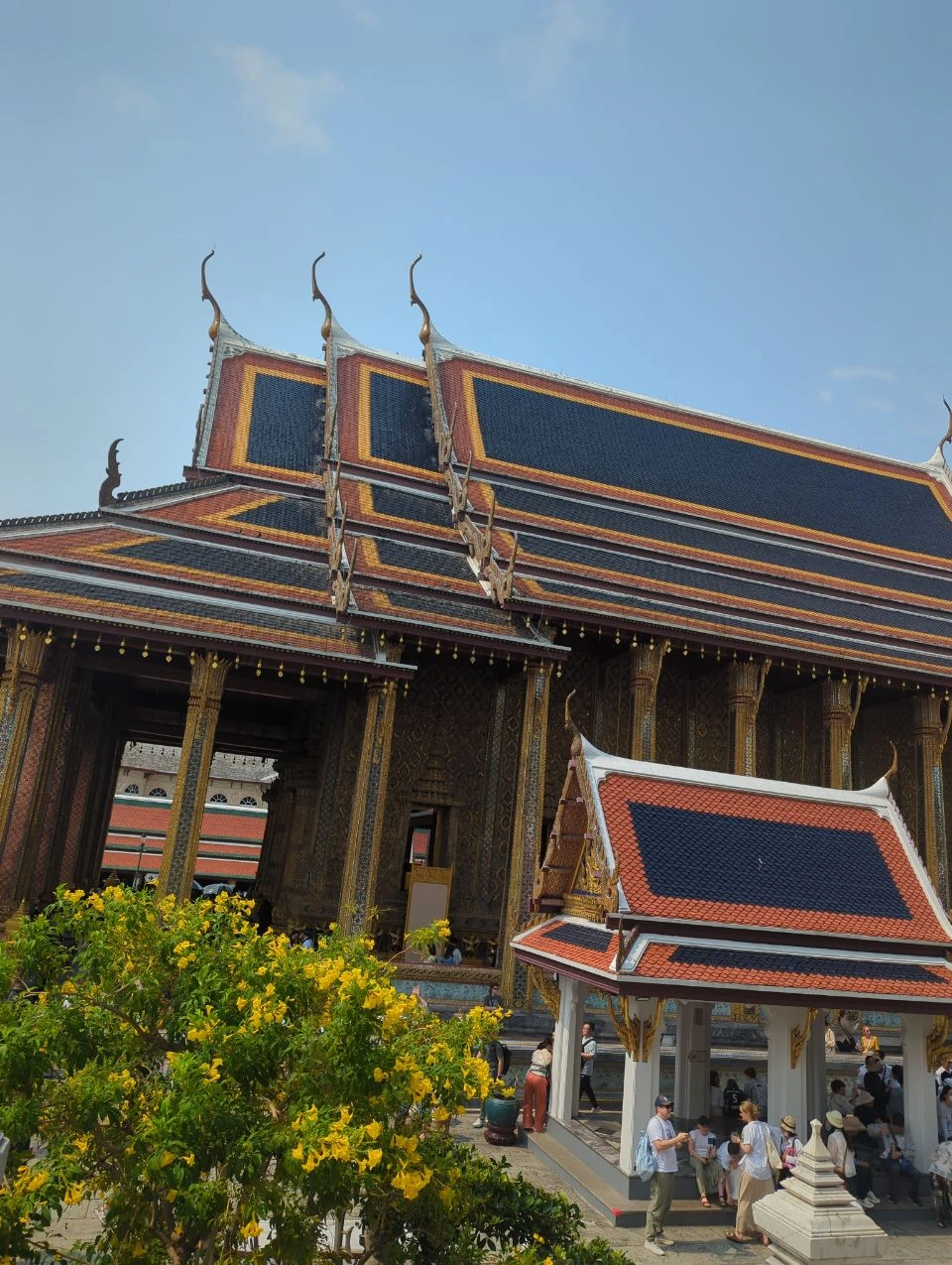
- Grand Palace: be ready for the current public opening and move beyond the first gathering points.
- Wat Arun inside: choose the first public hour for the best balance of comfort and visitor flow.
- Wat Pho: choose opening for quieter details or after 3 PM for a fuller route that can lead toward the river.
- Talat Noi and Song Wat: aim for 8 to 11 AM or 4 to 6 PM, then let the available shade set the order.
- Parks: use early morning for families and active movement, or late afternoon when your group handles heat well.
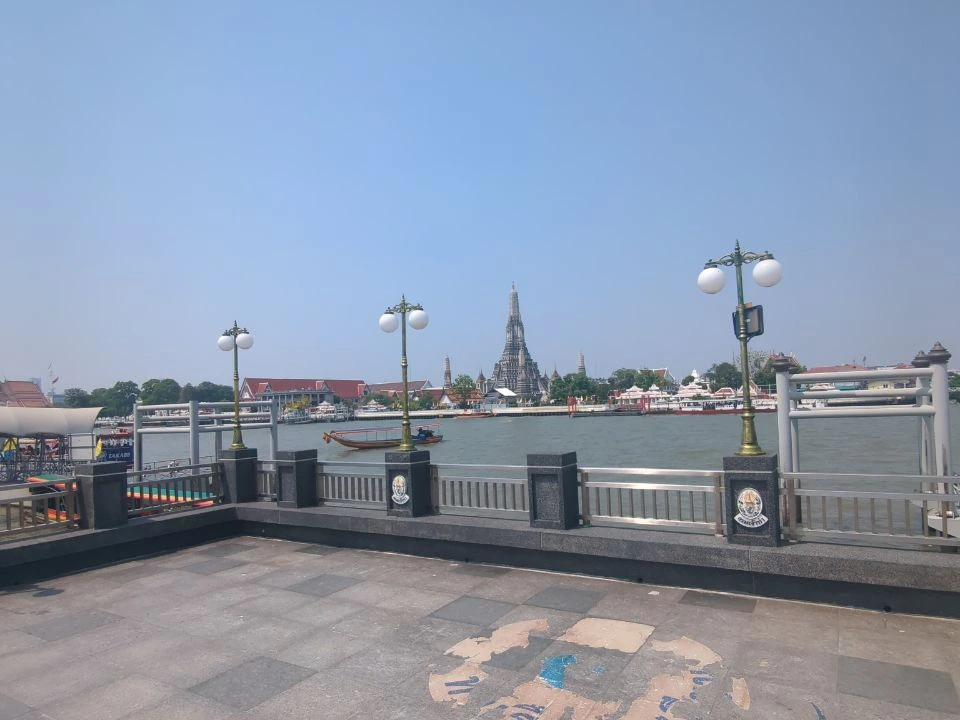
- Wat Arun across the river: arrive 30 to 45 minutes before the checked sunset and stay into blue hour.
- Chinatown neon: begin after darkness, commonly from around 7 PM.
Think of those as different photoshoot styles, not interchangeable appointments. A calm morning in a park feels nothing like a neon walk through Yaowarat, and that's exactly the fun of choosing Bangkok.
Early morning gives temples and families room to breathe
The Grand Palace is the clearest example. Its current official opening is 8:30 AM, and being ready at that time gives you the most useful chance to work with the visitor flow. Opening gives you a small head start while the palace stays lively. During our own Bangkok scouting, the complex was already very busy around that hour. The useful move was to keep walking while tour guides were still organising people near the entrance. For a short stretch, stairs and side corners farther inside gave us cleaner views.
Inside Wat Arun, the first public hour is also the strongest default. The main prang is symmetrical, so a photographer can choose the side that keeps your face out of direct sun. That small decision makes a big difference once the light gets stronger. Current professional access and temple rules can change, so those details should be confirmed for your date before the route is final. The Wat Arun photoshoot guide explains the temple-side choices and access questions in more detail.
Parks such as Lumphini and Benjakitti give morning a softer rhythm. You can walk, let your child move and use trees, paths and water without turning the session into an endurance test. Still, your real family routine wins. A rested toddler at 8 AM will usually give you more joy than a sleepy toddler pulled out of bed for a theoretical sunrise. The best light can't fake a genuine laugh.
Photographed by Travaya Photographers
Midday works when the location is built around shade
The answer is a location that already suits the hour. A covered flower market, a cool hotel, a café, an indoor editorial session or one short route between reliable pockets of shade can all look brilliant. For maternity, a hotel or interior can feel especially good: cool air, easy outfit changes and no long transfer before the first photo. Midday becomes its own relaxed, more contained Bangkok story.
If an outdoor landmark still matters, keep the route short and pre-scouted. Start in the strongest shaded position, make the key portraits first and finish while everyone still feels good. Leave the heroic cross-city march to someone wearing hiking boots.
Photographed by Travaya Photographers
Late afternoon suits Wat Pho, old streets and park routes
Wat Pho also gives you choices when one corner gets busy. The exterior is far more useful for portraits than the Reclining Buddha hall, where the statue's scale and the visitor flow make posed photos harder. Outside, a photographer can turn toward another courtyard, a row of chedis or a shaded doorway and keep the session moving.
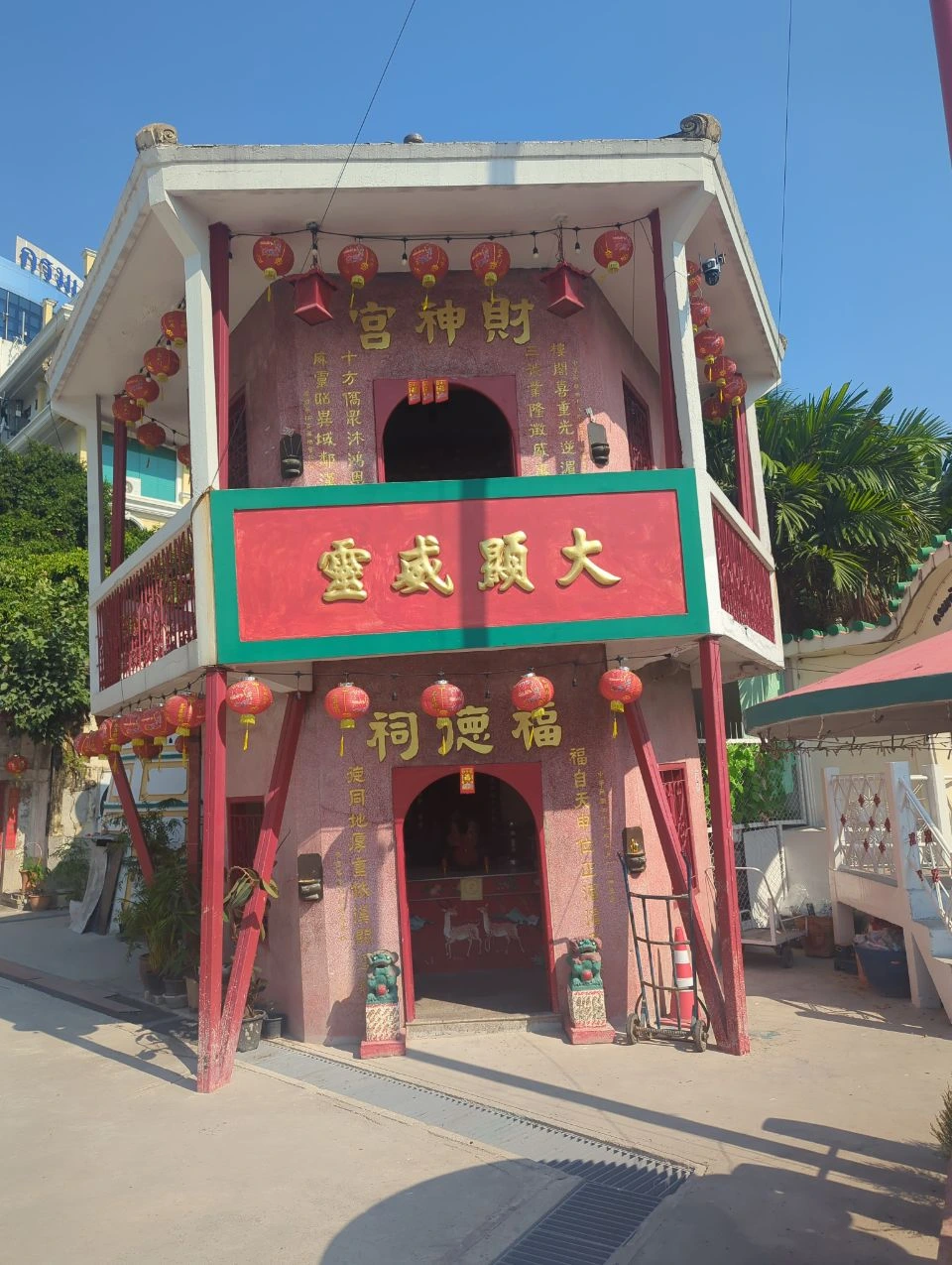
Talat Noi and Song Wat are another strong late-day option. The official route suggests 4 to 6 PM as one of its heat-aware windows, and the compact neighbourhood lets you move between painted walls, old shopfronts, shrines, graffiti and coloured doors without a taxi. Yet “late afternoon” doesn't make every lane soft at once. During our scouting, a shrine was still catching strong sun around 3:30 PM. The photographer should follow the shade that exists that day, even if it means changing the saved order of the route. Use the Talat Noi photoshoot guide to plan that compact neighbourhood sequence.
This window works especially well for couples and older children who want colour and movement. Just remember that your body has already spent part of the day in Bangkok's warmth. A cool break before the shoot, water at the meeting point and a route with short transitions help you arrive looking like yourselves, not like you've just completed a city marathon.
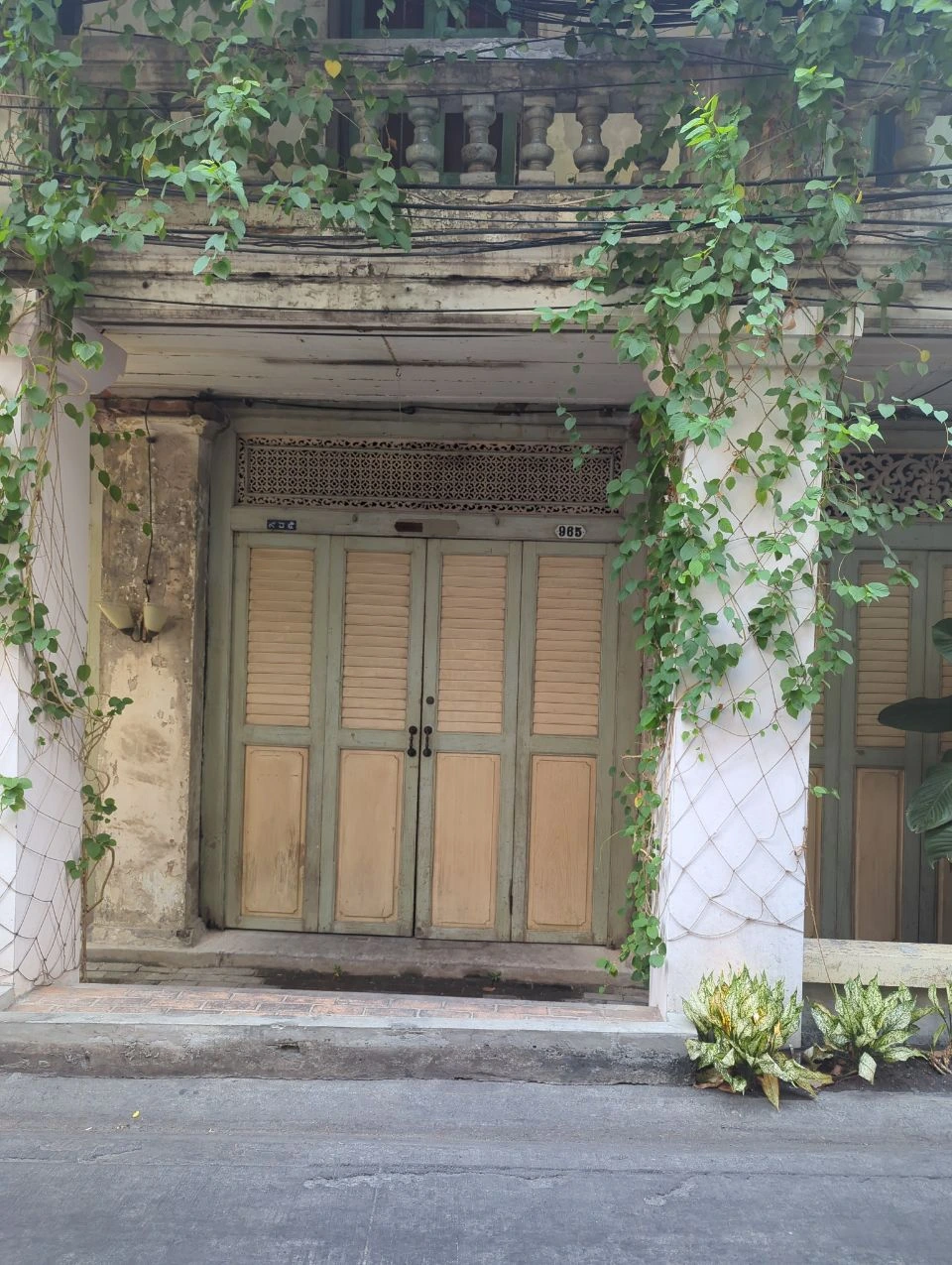
Photographed by Travaya Photographers
Wat Arun sunset starts before the sun goes down
For the skyline view, check the exact sunset for your date and arrive 30 to 45 minutes earlier. Bangkok's sunset shifts through the year, so a fixed 5 PM meeting time won't travel well from January to July. Starting early gives you warm pre-sunset portraits, the horizon transition and enough time to keep shooting as the sky cools into blue hour.
The public deck beside The Deck by Arun Residence is useful, but it's one fixed scene. Local practice suggests roughly five poses in up to ten minutes there. That makes it a lovely finale to Wat Pho or another nearby Old Town setting, rather than a full hour by itself. During our own visit, six to eight photographers gathered around the temple-light transition. Arriving with time in hand meant a calmer chance to find a position.
The temple lights may appear close to sunset or later in the transition, and sky colour changes with the weather. Plan to stay through the full transition so you can photograph whichever moment arrives first. Even when the sky stays pale, the first blue-hour glow can give you a second, more cinematic set of photos. Sunset is a chapter, not a stopwatch. Compare the Bangkok sunset photoshoot locations if you want to decide which part of the transition should lead your gallery.
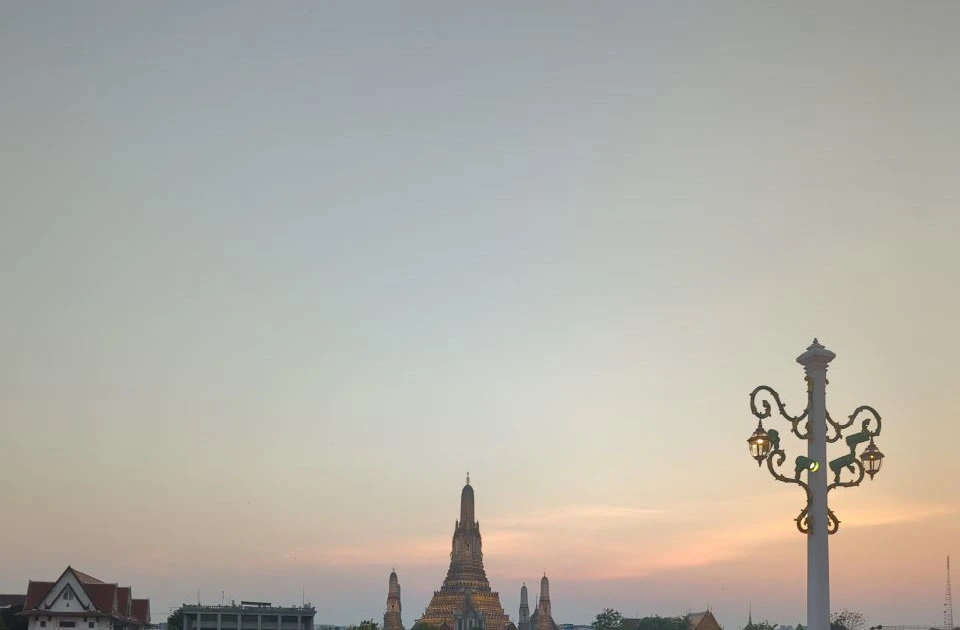
Photographed by Travaya Photographers
Chinatown comes alive when darkness becomes the light
Local neon sessions commonly run between 7 and 10 PM, once the signs can shape the look. A daytime Chinatown shoot tells a different story, with working streets, markets and heritage detail. At night, you choose movement and energy on purpose. Stand still for one frame, then walk, laugh, turn toward the signs and let the city do some of the posing for you.
This style suits couples, friends, older families and solo travellers who want something bolder than temple elegance. It also works beautifully after rain, when reflections add colour underfoot. Yaowarat isn't trying to be quiet. That's its charm.
How weather changes the best time for a photoshoot in Bangkok
From November to February, outdoor sessions often feel more comfortable, but popular temples and sunset viewpoints can also feel busier. A dry-season label still can't promise a clear sky, just as rainy season can't tell you the exact minute a shower will arrive. The forecast on your date matters more than a broad month label.
For toddlers, maternity and grandparents, let the comfort needs of the youngest and oldest person set the hour. That might mean morning, a compact shaded route or an indoor start. The goal is simple: choose the version of Bangkok that lets everyone stay present.
Choose 30, 60 or 90 minutes around one complete story
Sixty minutes gives you one complete session story: Grand Palace at opening, Wat Arun inside, late-afternoon Wat Pho, a Talat Noi walk or Chinatown neon. It can also hold Wat Pho plus the east-bank Wat Arun finale when the route is pre-scouted and you stay on the same side of the river. See the Wat Pho-to-Wat Arun-view walking route for the compact east-bank sequence.
Ninety minutes gives you space for one real pause, a quick outfit reset or the full move from pre-sunset warmth into blue hour. It's the better choice when your group needs a slower pace or when two nearby visual chapters matter. More time should make the experience calmer, not tempt you into collecting locations like fridge magnets. The Bangkok photoshoot duration guide helps you decide whether that extra half-hour has a useful job.
Let the session finish while Bangkok is still fun
That's the quiet secret behind good timing. You aren't only planning light. You're protecting the part where you still feel like laughing, wandering and staying for one more drink after the camera goes away.
Plan your Bangkok photoshoot around the right hour
Travaya's local photographers can match your preferred look to a workable hour, then confirm the current route, meeting point and weather plan for your date. Book your Bangkok photographer and share who you're coming with, the mood you love and how long you'd like the session to feel.
Frequently Asked Questions
Quick answers for choosing the best Bangkok photoshoot time for your location, group and weather.
Early morning is the safest all-round choice for comfort, parks and major temples. Late afternoon, sunset or night becomes stronger when your chosen style is Wat Pho, the river or Chinatown neon.
Early morning is better for parks and ticketed attractions near opening. Sunset is better for Wat Arun from across the river, where the skyline changes through warm light and blue hour.
Be ready for the current public opening, which was displayed as 8:30 AM during this research. Move beyond the first gathering points quickly, because opening offers a head start rather than an empty palace.
Choose the first public hour for photos inside Wat Arun. For the temple as a skyline background, arrive across the river 30 to 45 minutes before the checked sunset.
Yes. Choose a covered market, hotel, café, interior or a short shade-led route so the location supports the hour.
Yes. Use the live forecast and radar, keep a covered pause nearby and choose safe, simple movement if stairs, piers or lanes are wet.
Use your child's rested window, which is often in the morning. A compact route with shade, water and a quick reset will usually beat an earlier alarm made only for light.
After darkness, commonly from around 7 PM. That's when signs, food stalls, traffic and reflections become the main visual ingredients.
The illumination time varies. Arrive before sunset and stay through the transition into blue hour for the strongest chance of both warm and illuminated looks.
Plan to reach the confirmed meeting point 30 to 45 minutes before the checked sunset. That gives you time to settle, start with warmer light and keep shooting as the colour changes.


Our Bangkok Shoots:
Book your Bangkok Photographer!
Start BookingWhat to Wear for a Temple Photoshoot in Bangkok
Wat Pho or Wat Arun: Which Bangkok Temple Is Better for Photos?
Wat Arun Photoshoot Guide: Best Time, Angles and Crowd Reality
Talat Noi Photoshoot Guide: Bangkok’s Best Street-Art Route
A One-Hour Bangkok Photoshoot Route from Wat Pho to a Wat Arun River View
Best Bangkok Photoshoot Locations at Sunset
ENJOY $20 OFF
Your first photoshoot when you become an email subscriber.
Related Articles
What to Wear for a Temple Photoshoot in Bangkok
Choose a comfortable, respectful and photogenic outfit for a temple photoshoot at Wat Pho, Wat Arun or the Grand Palace in Bangkok.
Wat Pho or Wat Arun: Which Bangkok Temple Is Better for Photos?
Compare Wat Pho and Wat Arun for photos, from gallery variety and symmetry to crowds, family comfort, traditional outfits and the best hybrid route.
Wat Arun Photoshoot Guide: Best Time, Angles and Crowd Reality
Choose between Wat Arun’s porcelain detail inside the temple and the full sunset view across the river, with practical advice on timing, crowds and routes.