
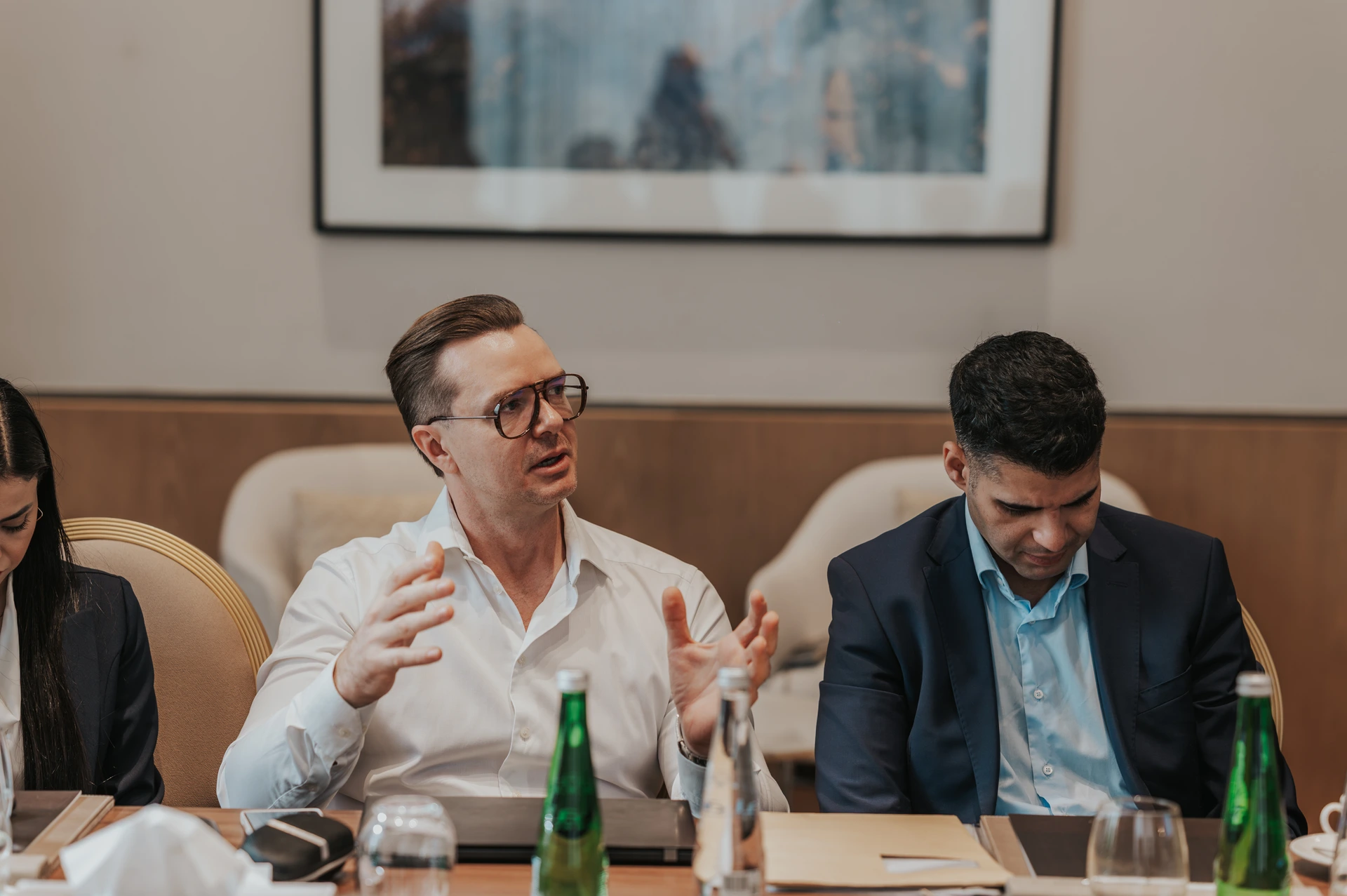
October 28, 2026
How to Brief Your Corporate Event Photographer in Dubai
Planning an event in Dubai? Let’s make sure the photos do something useful for your business. We’ll help you explain what you want to achieve, with simple briefing examples for showing clients your work, exhibiting at an expo and introducing a new product.
Updated
Need photos of your event?

We had such a wonderful experience with our Travaya photographer during our photoshoot at the Colosseum in Rome! Our photographer was incredibly kind, welcoming and helpful, especially with our baby. We felt comfortable throughout the shoot and even had a lovely time chatting afterwards. The professionalism, talent and friendly approach made the whole experience even more special. We would recommend Travaya a hundred times over! Thank you for such a memorable experience! ❤️
Jan Kaila Fernandez
Read moreWe had a maternity photoshoot with our Travaya photographer and it was great! She instantly knew what we wanted and captured the moments we had in mind so well—it was such a fun shoot ☺️
Nadine Bouali
Source: Google Read moreWe only booked a quick photoshoot but we loved the experience and the photos. The photographer was really kind, and helped us with the poses. All in all, it was a great experience and I completely recommend booking Travaya.
Eszter Tamási
Read moreWe had a great time shooting with Travaya😍✨. They just had the best locations and poses in mind which captured our best moments and just have incredible memories to keep in the form of pictures☺️❤️. The photos turned out to be so great and just absolutely loved this experience😇. The photographers are very lovely and i personally would highly recommend them😊. Thank you so much for this amazing experience🙏🏻✨.
Lakshita
Read moreTo say our experience was wonderful would be an absolute understatement—it was truly extraordinary! Having a two-day photoshoot across the city with our photographers was an unforgettable journey. Traversing the vibrant streets alongside such gifted professionals made exploring the city feel endlessly magical, dynamic, and inspiring. The photoshoot itself was a absolute dream. Both photographers were remarkably professional, exceptionally warm, and impeccably cooperative. Their natural warmth and expert guidance made us feel infinitely comfortable, effortless, and confident throughout every single moment of both days. They created an atmosphere of pure ease where we could simply enjoy the experience and be ourselves. As for the results? We are utterly spellbound! The photos are nothing short of breathtaking masterpieces—each frame captures the mood, elegance, and beauty of the city with phenomenal artistic flair and precision. We wholeheartedly and enthusiastically recommend booking through Travaya to anyone seeking a seamless, top-tier photography experience. It was truly an enchanting highlight of our trip that we will cherish forever!
Shubi
Read moreWe had an amazing experience with Travaya! 🧡 The photoshoot was so much fun, and walking through the city with the photographer made the whole experience even more special. The atmosphere was relaxed and comfortable, and the photographer was so friendly and professional, helping me feel confident and capture beautiful moments. We absolutely love them and will always cherish these memories! 😍✨ We highly recommend Travaya to anyone looking for a fun, memorable, and wonderful photoshoot experience. Thank you for such an unforgettable experience! ❤️📸
Prasun
Read moreTable of Contents
Tell us what you’re putting together
Think about what you’d like to do with the pictures afterwards. Help a new customer understand your service? Show people what they missed at your conference? Give your team a reminder of a night that was all about them?
Tell us that. You already know something useful that your photographer doesn’t yet: why this event matters to your business. Once we understand that, we can help you plan photographs with a purpose, alongside the date, venue and programme.
Start with what you want the photos to do
For example, “we’d like photos of our workshop” tells us what is happening. Adding “we want future customers to see how we help people solve this problem” gives the day a clearer purpose. Your photographer can then look for the people learning, the advice being shared and the practical work taking place.
You may have more than one goal. That’s fine. Put the most important one first, especially if there are several things happening at once. A photo needed for tomorrow’s announcement may matter more than another picture of the room decorations.
Below are five ways that can look in practice. The examples are starting points you can change to suit your own business. Choose the parts that sound like your event, then tell us what makes yours different.
If you want clients to understand what you do
Perhaps your team is running a workshop for business owners. A picture of the speaker helps people see who was there. Photos of someone explaining an idea, a small group trying it out and a useful conversation afterwards can also help a future client understand the experience you offer.
Tell us which part of your work you’d like people to understand. Is it how carefully you listen? The practical help your team gives? The chance to try something before buying? That detail helps the photographer notice the moments that support your message.
You could say: “We help small businesses get more confident with their accounts. At this workshop, we’d like photos of our advisers explaining things and helping people work through examples. We’ll use them on our website so new clients can see what working with us is like.”
That gives us a clear reason for photographing the activity as well as the presentation. You can add who will lead each part and when the practical work begins. If real client information will be on screens or papers, tell us what needs to stay out of the pictures.
You’re giving your photographer something to look for throughout the event. Those moments can help someone picture what it would be like to work with you.
If you’re taking your business to an expo
Start by telling us what you want the expo to achieve. You might be meeting potential customers, showing a product in action or introducing the company to a new market. Those goals lead to different things worth noticing.
If the product demonstration is the main reason people stop, let us know when it happens and who will lead it. If the stand itself is a big part of the investment, we can discuss a time to photograph it when it is ready, before the activity around it begins. Later, conversations and visitors trying things can show how the space was used.
An example for your brief: “We’re exhibiting to introduce our new booking system to hotel teams. We’d like photos of the finished stand, our team talking to visitors and people trying the demo. We’ll share them in our exhibition recap and in follow-up emails to businesses we met.”
Add the hall and stand number, the times you want covered and any planned demonstrations. An exhibition venue can have several halls and different access arrangements for visitors, exhibitors and suppliers. Ask the organiser which arrangements apply to your photographer and share those details before the day.
It also helps to say who will be at the stand and can point out an important conversation or visiting partner. Your photographer can recognise faces more easily with an introduction, rather than trying to guess which visitor your team has been hoping to meet.
The aim is to show what it was like at your stand: what you offered, who was involved and what there was to discover. Clear photographs can support your follow-up, while the conversations and your offer do the work of building the relationship.
If you’re introducing a new product
Explain the product in ordinary words. What does it do? Who is it for? Is there a feature people need to see to understand it? If someone can try it, taste it or watch it work, that may be an important part of the event to include.
Think about who will look at the photographs afterwards. A journalist needs to understand what has launched and who is behind it. A potential customer may want to see the product being used. Your own social post may need a mix of the product, the reveal and the people discovering it.
You could brief us like this: “We’re introducing a new coffee machine for small cafés. Please include the machine, our team showing how it works and guests trying the coffee. We need a clear selection for our launch announcement, plus more pictures of the event for our website and social posts.”
Add the product’s correct name, the person presenting it and the time of the reveal. Tell us whether there will be a finished product available before guests arrive. That gives us a chance to discuss the different pictures you need around the live event.
If part of the product is still private, explain what can be shown and when the photos may be released. A planned announcement can depend on several teams working to the same time, so include who will approve the first pictures.
Event coverage and a separate studio product shoot can involve different plans. If you need a full set of product photographs for an online shop as well as the launch, mention both at the start. We can discuss what fits into the event booking and what needs its own arrangement.
If you want people to come to your next event
Start with what guests come for. At a conference, that could be useful talks, the chance to ask questions, meeting others in their field or seeing something new. Explain which of those experiences you want the pictures to show.
A speaker on stage gives one part of the picture. People joining a discussion, listening closely or talking during a break can help explain what it is like to attend. The space and event branding give those moments a place and a name.
For example: “We want next year’s guests to see that our conference is a place to learn and meet people doing similar work. Please include the talks, audience questions, the small workshops and conversations during the breaks. We’ll use the photos on the next event website and in the invitation emails.”
Point out any sessions you especially want to feature. If your most popular workshop runs at the same time as a keynote, that is useful to know before deciding on coverage. We can discuss the order, the rooms and whether the plan needs more than one photographer.
You can also share a draft of the next invitation or show us where a website image will sit. A wide picture for the top of a webpage and a tall picture for a social post use space differently. Knowing what you need helps us plan a useful mix.
The photographs should show the event that actually happened. They can help a future guest see what appeals to them, alongside your programme, speakers and the reasons you give them to attend.
If the day is about celebrating your team
Tell us what you’re celebrating and who you want included. There may be an award that means a lot to a small team, a colleague who has been with you from the beginning or a group who rarely get to see each other in person. Those details help us understand the day beyond the speeches.
Think about where you’ll share the pictures. A company newsletter, a gallery for colleagues and a careers page can each benefit from a slightly different mix. If you’re hoping to show future employees what being part of the team feels like, explain that too.
Your brief might say: “This evening is a thank-you to the team after a busy year. We’d like the award presentations, photographs of each team and natural moments of colleagues enjoying the evening. We’ll share the gallery with colleagues and choose some pictures for our careers page, after checking which ones we can share.”
For awards, share the names of the people presenting and receiving the awards when they are confirmed. For team photographs, decide when people can gather without missing the part of the evening they came to enjoy. A colleague who knows everyone can make introductions and help bring each group together.
Also explain how your company handles anyone who prefers to stay out of photographs or has different preferences about public sharing. Knowing the process lets the photographer work with your team, while the person responsible for the gallery knows what can be shared.

Give those ideas a time and a place
Your guest arrival time may be different from the time you need the first photographs. The display could be ready earlier, while an important guest might leave before the evening reception. Mark those points so we can work out a useful booking window.
Make any overlap clear. If a product demonstration and a leadership talk happen in separate rooms at the same time, one photographer cannot follow both throughout. Knowing which matters most gives us a starting point for discussing the options.
Choose one contact for the day who understands the plan and can help with introductions or changes. If you’ll be presenting or hosting, another colleague may be better placed to answer a quick question while you’re busy.
For arrival details, our Dubai venue preparation guide covers the information worth checking with your venue. Sharing the same plans when you compare photography quotes also helps you see what each booking includes.
A simple photography brief you can adapt
Our event: We’re holding a product presentation in Dubai for existing clients and people who may buy from us in future.
Our main goal: We want people who couldn’t attend to understand what the product does and see it being used.
Where the photos will go: Our launch webpage, LinkedIn and the email we send after the event. Our partner will also share a selection.
What matters most: The product reveal, a demonstration, our founder with the product and guests trying it. We would also like a photograph of the whole team.
The time and place: The date, venue address, room name and our proposed photography start and finish times. We’ll attach the current programme and mark the reveal and demonstration times.
People to know: The names and roles of the presenter, founder, product specialist and partner representative. Our event contact can introduce them.
When we need the pictures: We’d like to discuss an early selection for our announcement, followed by the full gallery. We’ll confirm the number, deadline and person receiving each selection before booking.
Anything private or restricted: One early version of the product must stay out of pictures. Our marketing lead will approve the first selection before it is released. We’ll explain our guest photography arrangements and confirm venue access.
Our contact: The colleague coordinating the photography, their mobile number and the person who can make decisions on the day.
That gives us something useful to work with. From there, we can help bring the goal, programme and photography together on our Dubai event photography page.
Keep one clear plan as the event gets closer
As the plans settle, share one updated programme with any changes made clear. A short call can help if several teams, rooms or important moments are involved. Afterwards, keep the agreed changes in the written brief so everyone has the same plan.
If you need pictures while the event is still happening, agree that separately in advance. Give us an actual deadline and explain what you need the first selection for. It is different from waiting for the complete gallery, and we’ll need to confirm what can be arranged for your booking.
Then let the brief do its job. You’ve told us why the event matters, what you need and who can help. Your photographer can use that understanding while you get on with welcoming the people you’ve brought together.
Let’s plan photos that help your business
Tell us what you’re organising in Dubai and what you’d like the photographs to help you achieve. We’ll help you turn those ideas into a clear plan for your event photography.
Questions about briefing your event photographer
No. Start with what you want to achieve, where you’ll use the pictures and any people or moments you know are important. We can help you work out the photography from there.
Yes. Tell us which one matters most and explain the other uses. A clear order helps us plan when activities overlap or you need some pictures sooner than others.
Of course. Send what you know and mark anything that is still being decided. We can discuss the plans early and confirm the details as they come together.
Yes, but tell us as soon as you know. A different venue, extra activity, longer hours or earlier delivery may affect the booking. We’ll discuss the change with you before confirming the new plan.


Brand Activation Photography in Dubai: Show the Experience

Opening Ceremony Photography in Dubai: Sharing Your News
Is Corporate Event Photography Worth It for Your Business?

How to Reuse Corporate Event Photos Across Your Marketing

Sponsor Photography at Corporate Events: What to Include
Getting Your Dubai Venue Ready for Corporate Event Photos
ENJOY $20 OFF
Your first photoshoot when you become an email subscriber.
Related Articles

Getting Your Dubai Venue Ready for Corporate Event Photos
There’s a lovely moment when the room is ready and you can picture your guests arriving. Your team, your company name and the occasion you’ve brought everyone together for. Let’s plan the venue details that help those things come through in your Dubai event photos, ready to share with the people who couldn’t be there.

Corporate Event Photography Costs in Dubai: How to Compare Quotes
You can already picture the welcome, the conversations and your team showing what they do. Let’s make room in the budget for photos you’ll be pleased to share afterwards. Here are our Dubai package prices and some simple ways to choose the right booking for your business.