
October 9, 2026
How to Recognise an Overlooked Lisbon Couple Photo Spot
A pedestrian wanders into the background. The sun slips away from the tiled wall. A delivery van settles into the neat patch of street you had pictured using. Nothing dramatic has gone wrong, but the photograph you imagined five minutes ago has vanished.
That is Lisbon for you: gorgeous, lively and always changing.
Choosing a couple photo spot here takes more than finding somewhere lovely on a map. The useful question is whether a corner offers flattering light, safe movement, varied compositions and an easy alternative when conditions shift. When it does, you can keep walking, chatting and enjoying each other’s company until your shoulders drop, the camera fades into the background and the photographs start to feel unmistakably like the two of you.
Updated

Table of Contents
What “overlooked” should mean in Lisbon
A spectacular viewpoint might offer one brilliant photograph but demand a lengthy detour. A colourful street can look irresistible until traffic, parked vehicles and busy doorways leave nowhere sensible to stand. Meanwhile, a quieter wall two minutes away might give you space to walk, turn towards each other and create several genuinely different photographs without breaking the flow of the session.
“Overlooked” should mean less prominent in conventional photography coverage, not secret, unknown or reliably empty. It could be an arch with helpful shade, a bench beside a pale wall or a short stretch of tiles that sits naturally between more recognisable parts of your route. Its value comes from what it allows you to do, not how obscure it sounds.
Lisbon is a lived-in city, and that everyday energy is part of its charm. Early timing may reduce crowd pressure in some places, but it cannot promise solitude. If pedestrians cross the frame or the nicest patch of light disappears, your photographer should be able to change the angle, step closer or carry on walking. Ideally, the adjustment feels so easy that you barely notice it happened.
The seven-part test for a workable couple photo spot
| Criterion | 0 points | 1 point | 2 points |
|---|---|---|---|
| Light control | Harsh or unusable light with no practical alternative | Usable light from one restricted angle | Usable light or open shade from several angles |
| Framing options | Ordinary distractions cannot be composed out | A cleaner frame is possible with a short wait or tighter crop | Several clean framing options are available |
| Pedestrian and traffic safety | The photograph requires unsafe positioning or obstruction | Safe only with a tightly controlled setup | Safe without entering traffic or blocking circulation |
| Visual variety | One novelty frame | Two meaningfully different frames | Walking, close and environmental frames are possible |
| Access and rules | Access or relevant rules are unclear | Public-facing, but current arrangements need reconfirming | Current access and relevant rules have been checked |
| Fit within the route | A substantial detour for one weak image | A useful secondary stop | Fits naturally between stronger session areas |
| Nearby alternatives | No practical alternative nearby | A different angle may rescue the stop | A nearby substitute or easy skip is available |
A total of 11 to 14 suggests a strong supporting location, provided a recent check confirms the conditions. Seven to 10 means the stop should be shortened or treated as conditional. At zero to six, it is usually better to skip it and spend your time somewhere stronger.
The pattern of scores matters more than the grand total. A serious safety or access problem overrides sparkling marks elsewhere. Strong framing options also mean having another workable crop or angle, not crossing your fingers and waiting for an empty street.
The places below have not been given permanent scores because light, access, pedestrian activity and local rules can change with the date and time. Think of them as examples of how the test works, not promises that any location will behave identically during your session.
Four Lisbon corners that reveal what really works
Near São Vicente de Fora, a courtyard can bring a lovely sense of calm to the session. Pale walls, trees, benches and, when the season plays along, pink bougainvillea may support a wider photograph before you settle into closer or seated portraits. The flowers are a bonus rather than a certainty because planting and seasonal colour can change. Even without them, a bench gives you a natural chance to sit close, share a few words and briefly forget that anyone is taking photographs.
Its access needs to be assessed separately from its appearance. Field information refreshed on 3 October 2026 recorded monastery hours of 10:00 to 19:00 from June through October and 10:00 to 18:00 from November through May, with last admission one hour earlier and listed holiday closures. Those details are a useful planning lead, but they do not confirm that a separate courtyard gate follows the monastery timetable. The saved pin was also slightly misplaced, so the exact entrance should be confirmed before the courtyard becomes part of the plan. It earns its place only when that calmer mood adds something the surrounding streets cannot.
Elsewhere, a modest shaded arch can be surprisingly helpful while you are still warming up to the camera. Directional light and controlled shade may serve you better than an exposed landmark, especially when they let you move naturally without squinting or waiting hopefully for a cloud.
The edges of an arch can make a cluttered background easier to tame too. A small step forwards, backwards or sideways may hide an untidy section of street. If someone walks into the intended frame, your photographer can bring you closer beneath the arch and turn the interruption into a more intimate photograph.
Of course, the light seen during one visit is not a permanent feature. Its position can shift with the hour, season, foliage and reflections from nearby surfaces. Pedestrian flow can also transform an easy frame into a bottleneck. A fresh check should confirm that the shade, circulation space and backup angle still work at the planned time.
A colourful azulejo façade brings another kind of flexibility. The right wall can provide colour, architectural detail and movement without needing a major monument in the background. You might move from a close portrait filled with pattern into a wider walking photograph without changing location at all.
That only works when there is a lawful, stable place for both you and your photographer to stand. Parked vehicles may disappear from a tighter crop, while a walking photograph can be made along the pavement rather than in the carriageway. If every clean composition requires someone to step into live traffic or block a doorway, the façade simply does not pass the test.
One field observation suggested possible privacy at a particular façade, but that was a temporary condition rather than something anyone should promise. People may arrive, businesses may open and access patterns may change before the next visit.
A viewpoint softened by greenery offers a different rhythm again. Within one area, you might begin with a gentle walk, move into closer frames as the camera becomes less noticeable and finish with an environmental portrait that places you within Lisbon instead of simply arranging you in front of it.
That progression creates variety without sending you racing across the city between photographs. Architecture establishes the setting, plants soften it and any available seating can introduce a slower moment without making the session feel staged. Current access and location-specific photography rules still need to be verified before the viewpoint is treated as dependable.
Other field observations point to the same conclusion. A layered street may work beautifully under one set of crowd conditions and feel impossible under another. A tiled façade can be compromised by parked vehicles or temporary works. Street art may combine colour, greenery and architecture one week, then be altered, covered by scaffolding or harder to access the next. These are reasons to check again, not reasons to make promises about what will be waiting for you.
Why a famous view may earn only one photograph
One contextual photograph can still be absolutely worthwhile. If the view already suits your itinerary or carries personal meaning, you can pause together for a wider frame before returning to the streets. It gives the gallery a clear sense of place without asking the landmark to take over the whole session.
The real question is whether that photograph justifies the extra journey. A long detour for one fairly rigid composition can flatten the lovely momentum created elsewhere, particularly when normal visitor activity leaves limited room to work comfortably.
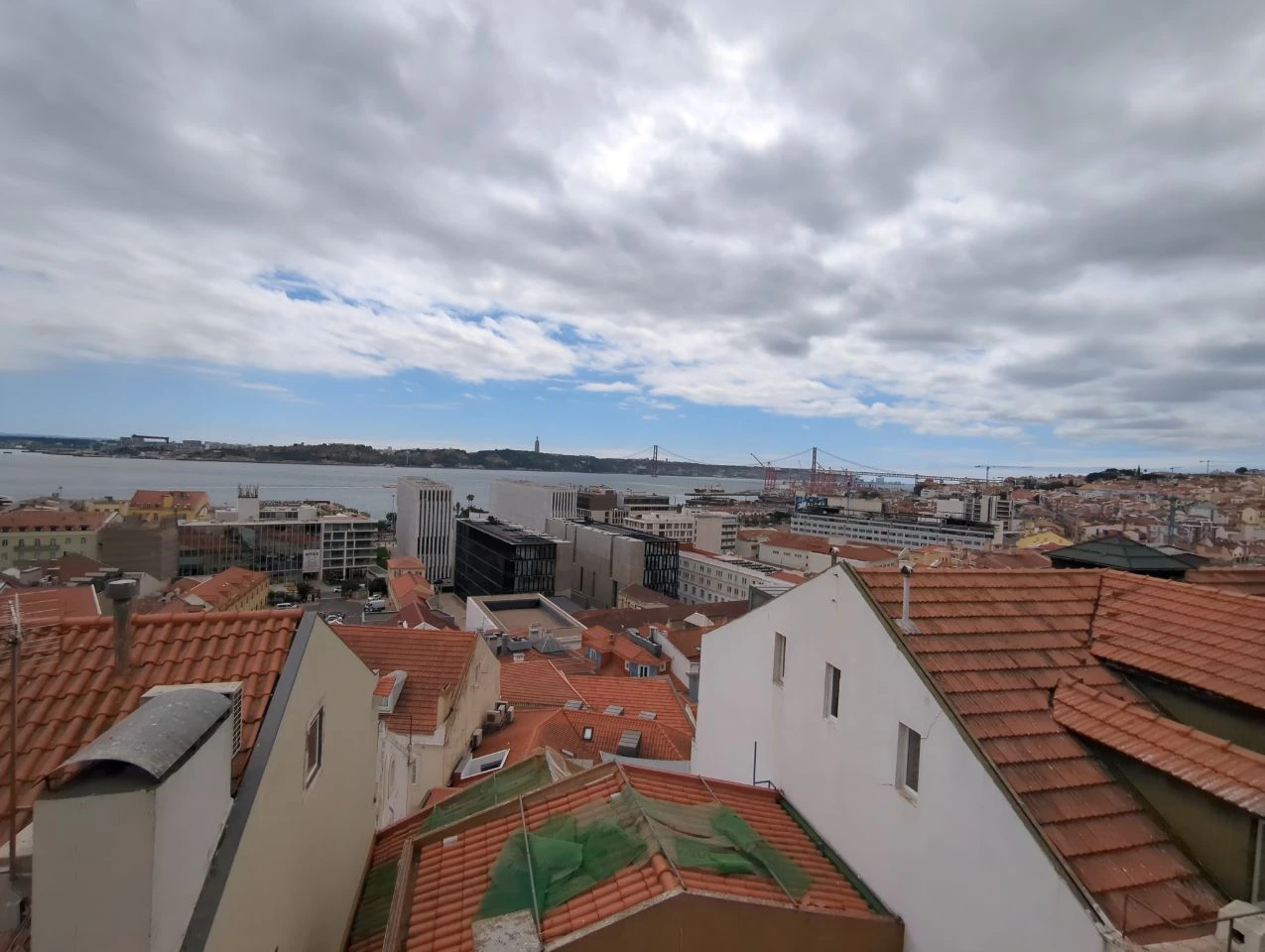
A landmark can pass the same seven-part test as any quieter corner. In Cristo Rei’s case, though, the balance of detour, variety and route flow may mean it earns one strong frame rather than becoming the centre of the session.
A connected route protects your time together
A secondary corner may deserve five or ten minutes when it sits directly between two stronger areas and adds a distinct mood. That is plenty of time for a walking photograph, a close frame or a quick pause together. Not every useful stop needs to become a destination in its own right.
Nearby transitions also let your photographer adapt without making a fuss. If a street suddenly becomes impractical, you can continue into the next part of the route without a lengthy discussion or the deflated feeling that something has gone wrong.
The aim is to create enough contrast while preserving the feeling that you are exploring Lisbon together. A route is doing its job when one unavailable frame cannot turn the session into a checklist of missed opportunities.
What your photographer should check shortly before the session
Light may change because of sun height, foliage and reflections from nearby buildings. Reflected colour matters particularly around painted or tiled surfaces, where it can affect skin tones even when the shade initially looks soft and comfortable. Your photographer should know whether a small change of angle produces a cleaner, more consistent result.
The physical space deserves the same attention. Entrances and normal pedestrian routes must remain clear. Scaffolding, roadworks, barriers, parked vehicles and altered street art can affect several angles at once, even when a location remains technically accessible.
Public access does not automatically mean that professional photography or an organised equipment setup is permitted. Lisboa.pt and the municipal information-and-services portal can provide current notices about works and public-space matters, while Visit Lisboa can help with official visitor and attraction information. Their general pages do not grant blanket photography permission, so the rules for the specific location should still be checked, especially if your photographer plans to use a tripod, lighting equipment or another conspicuous setup.
Transport needs a fresh look whenever a tram, bus, funicular or lift connects different parts of the route. CARRIS publishes route-planning information, service changes and real-time updates for these services. Checking the latest information is much safer than assuming an earlier journey time or connection still applies.
Most importantly, every conditional stop should have a named alternative before the session begins. The best replacement is usually the one that protects the most time with the least disruption, even when it offers a different kind of background rather than a like-for-like substitute.
Want a Lisbon route that leaves room for discovery?
If you would rather let an expert handle the changing light, lively streets and backup options, find a photographer in Lisbon and plan a relaxed route around the photographs that matter most to you.
FAQs about planning a Lisbon couple photo route
Share which parts of Lisbon mean something to you, whether there is a particular view or architectural style you love and how much walking feels comfortable. It also helps to separate a genuine priority from a background you simply liked in somebody else’s photograph. That gives your photographer a much clearer idea of where your time is best spent.
Not at all. Contrast can come from a change in distance, movement, light or pace rather than a whole new neighbourhood. A tiled wall, shaded arch and nearby bench may provide plenty of variation when the photographs move from walking to close portraits and then into a quieter seated moment.
They should shape it from the beginning, not appear as a last-minute adjustment. Walking distance, gradients, pavement conditions, seating and transport connections all influence how relaxed the experience feels. A visually spectacular stop is not useful if reaching it leaves you tired or uncomfortable before the photograph is even made.
It is wiser to treat them as conditional features. Bougainvillea may not be in bloom, planting can change and street art can be repainted or hidden by temporary works. If either matters strongly to you, your photographer should check it recently and make sure the surrounding location still has value without it.
Yes, as long as that flexibility sits within a connected route rather than becoming a string of uncontrolled detours. A little breathing room lets your photographer use an unexpected patch of light, an attractive doorway or a suddenly peaceful moment without making the rest of the session feel rushed.


Our Lisbon Shoots:
Book your Lisbon couple Photographer!
Start Booking
How to Choose One Alfama Street for Your Couple Photos

How to Choose an Azulejo Background for Your Lisbon Couple Photos
Praça do Comércio Couple Photos: Choose the Arcade, Arch or River View

Belém Tower Couple Photos: Three Ways to Make the Most of Water, Light and Views
Which Tagus Waterfront Setting Suits Your Lisbon Couple Photos?
What to Wear for Lisbon Couple Photos: Dress for the Setting and the Walk
ENJOY $20 OFF
Your first photoshoot when you become an email subscriber.
Related Articles

How to Choose One Alfama Street for Your Couple Photos
Alfama can make you want everything at once: patterned tiles, worn doors, steep steps, slivers of sky and lanes that seem to fold into each other. Trying to collect every postcard detail, however, can leave you spending more of your session watching your footing and changing locations than enjoying the person beside you. Start with one main street and one backup spot just around the corner. One street will not suit every couple. If recognisable landmarks are central to the photographs you want, several locations may make sense. But if you love Alfama for its faded tilework, close lanes, weathered details and intimate atmosphere, one carefully chosen pocket can offer plenty of variety without turning the session into a route march.

How to Choose an Azulejo Background for Your Lisbon Couple Photos
You have found three tiled façades in Lisbon, and all three look beautiful on your phone. One has an intricate blue-and-white motif, another is gloriously colourful, and the third feels unmistakably Portuguese. The real question is not which wall is prettiest. It is which one suits the photograph you want, what you are wearing and the way you hope to remember the day. The best choice makes the image feel unmistakably Lisbon while leaving room for you to look like yourselves. Someone viewing the photograph should notice a shared glance, a hand at a waist or the movement of a dress before beginning to inspect the tile pattern. To choose well, consider the intended composition, how the motif behaves from camera distance, your outfits, the usable pavement, nearby entrances and the conditions on the day.
Praça do Comércio Couple Photos: Choose the Arcade, Arch or River View
Praça do Comércio gives you golden façades, sweeping arcades, the Rua Augusta Arch, shifting skies and the Tagus in one wonderfully photogenic square. The clever bit is not trying to squeeze everything into every photograph. Each view creates a different mood, and choosing the right two or three will give your gallery far more personality. The plan is simple: sequence the arcade, Arch and river compositions around the light, pedestrian flow and the balance of architecture and water you want. Keep that order flexible. A beautifully clear Arch deserves quick attention, glowing river light may be too good to leave until later, and the arcade is lovely when you want to start gently and settle into the session.