
October 9, 2026
Belém Tower Couple Photos: Three Ways to Make the Most of Water, Light and Views
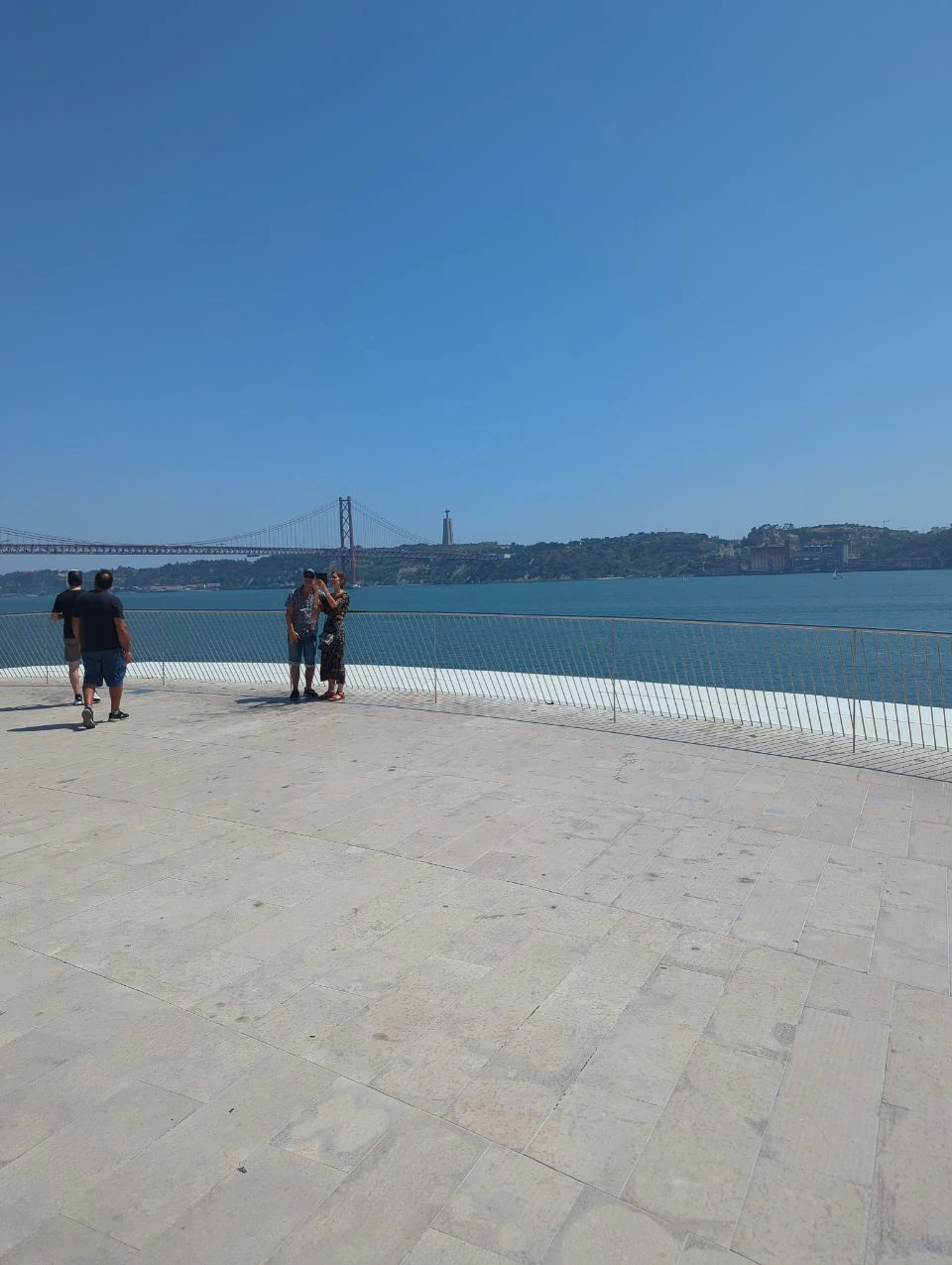
You arrive beside the Tagus hoping for the photograph you can already picture: Belém Tower behind you, light moving across the water and enough room to forget that anyone else is there. Belém Tower couple photos can capture all of that, although the best view on the day may be different from the one you first imagined.
The surprise might be sunlight opening a silver path across the river, a breeze catching your clothes as you turn towards each other or the tower appearing over one shoulder while you are laughing rather than posing. This is a busy waterfront rather than a studio set, and responding to what is happening often produces the most personal photographs.
It helps to arrive with three possibilities in mind: a celebratory photograph led by the tower, a spacious view across the Tagus and a more intimate series as you walk along the promenade.
Updated

Table of Contents
Belém Tower never looks quite the same twice
Those conditions can change during a single session. The river might look soft behind you, then become intensely bright when you turn. A passing group can fill the promenade just as a wider composition begins to take shape. Greenery, barriers and temporary works may also differ from what appeared in photographs taken during an earlier visit.
The aim is therefore not to reproduce one reference image exactly. It is to understand what you liked about it. Perhaps it was the scale of the tower, the open water, the warm light or the way the couple seemed relaxed despite being at a famous landmark. Once that preference is clear, your photographer can pursue the same feeling without depending on identical conditions.
Choose the first photograph when you arrive
If Belém Tower is clearly visible and the light is comfortable, it often makes sense to begin with the landmark image before the view changes. If reflected light is making you squint, or the foreground feels particularly busy, starting with a closer photograph or a gentle walk can be more natural.
This decision should not require a running commentary about everything that is inconvenient. A good photographer makes technical adjustments quietly, offers one clear direction at a time and keeps your attention on the experience rather than the background.
Simple prompts usually work better than tightly controlled posing. You might be asked to face one another, move closer or look towards the water for a moment. The instruction provides enough structure for the photograph while leaving room for the expression, touch or reaction to remain yours.
The first composition does not determine the rest of the session. It simply gives you a comfortable way to begin and allows the photographer to work with the strongest opportunity available at that moment.
When to let Belém Tower lead the photograph
Belém Tower does not need to fill the frame. It can stand prominently behind you, appear in the distance or form one part of a wider waterfront composition. What matters is that it remains recognisable without making you look like two visitors frozen in front of a monument.
The balance between you and the architecture will affect the mood. A wider frame can emphasise the scale and setting, while a slightly closer one gives more weight to your faces and body language. If you want a photograph that immediately establishes Lisbon, make that preference clear. If you would rather have the tower present without allowing it to dominate, a more restrained composition may suit you better.
Movement helps prevent the landmark portrait from becoming stiff. Walk apart for a few steps and turn back towards each other, approach slowly before meeting in the middle, or pause together while looking across the water. Two or three uncomplicated prompts are enough to create variation without making the moment feel choreographed.
Small physical details matter more than an elaborate pose. Relaxed hands, shoulders angled towards one another and a natural shift of weight can make the photograph feel connected. If one of you is more comfortable in front of the camera, the photographer can build the prompt around your interaction rather than asking both of you to perform in the same way.
The strongest tower-led image should still be a photograph of your relationship. The architecture establishes where you were, but the way you look at or move towards each other gives the image its emotional centre.
When the Tagus should open up the photograph
This approach suits couples who want a sense of place without making every image about the monument. The horizon, shifting reflections and open space can give the photograph a calmer character than a direct architectural composition.
A forehead touch, a wind-blown pause or one of you leaning gently into the other can hold a wide frame. Very little posing is needed when your body language already shows that you are comfortable together. The stillness between you can provide a useful contrast to movement on the water and promenade.
The river will not always photograph in the same way. Depending on the weather and direction of the light, it can appear soft and luminous, muted and textured or intensely bright. Reflections that look beautiful from a distance may feel uncomfortable when you face them directly.
If the reflection makes you squint, turn slightly or move into a closer composition rather than forcing a broad water view. The river can still contribute colour and atmosphere without occupying most of the photograph.
Clothing can also affect how a water-led image feels. Fabric that moves gently in the breeze can add energy to an otherwise quiet composition, while clean shapes and calm colours can reinforce the sense of space. Comfort remains more important than creating movement deliberately, particularly on a waterfront where the wind may be stronger than expected.
A water-led photograph is most effective when the Tagus supports the atmosphere rather than competing for attention. The river gives the setting openness, but your expressions should remain the reason someone keeps looking at the image.
When the promenade becomes the better photograph
You can hold hands, settle into a comfortable pace and talk as you move. A brush of the shoulders may become a pause, one comment may start a laugh, and a quick glance can turn into a quieter portrait. These small transitions create variety without requiring a catalogue of poses.
This approach is particularly useful when a wide tower view is interrupted by bright reflections, barriers or a busy foreground. A closer composition places greater emphasis on your expressions. The tower might appear as a soft shape behind you, while the water becomes a narrow edge of light. The setting still reads as Belém, but your connection becomes the clearest subject.
Walking photographs can also help at the beginning of a session if either of you feels self-conscious. Looking at each other instead of directly into the camera removes some of the pressure. Once you become accustomed to the photographer’s presence, it is usually easier to pause for a closer portrait or look towards the camera without feeling overly aware of it.
Your photographer does not need to direct every step. A useful prompt might establish where to walk or how slowly to move, after which the interaction can develop naturally. Too many instructions can make both of you monitor your bodies instead of responding to each other.
The promenade also allows the photographer to vary distance without moving you through several unrelated locations. One moment can include more of the waterfront, while the next concentrates on your hands, faces or the way one of you turns towards the other. The surroundings remain consistent, so the finished photographs still belong to the same visual story.
Before finishing, check the tower once more. If a clear view has opened, take it without making the session depend on waiting.
If you want the tower area to be the finish of a longer walk, compare the 60- and 90-minute versions of the MAAT-to-Belém photoshoot route.
Safety, crowds and proposal privacy at a public waterfront
Visitors can often be managed through timing and composition. An earlier start may improve the chance of a quieter background, but Belém Tower is widely visited and an empty setting cannot be guaranteed. A few people in the distance can give Lisbon’s waterfront a natural sense of life, particularly when you remain the obvious focus of the photograph.
Trying to remove every visitor from the background can consume time that would be better spent creating photographs. Brief gaps may appear, but the session should not depend on them. A change in camera position, distance or framing will often matter more than waiting for the entire promenade to clear.
Physical restrictions require a firmer response. Respect all current barriers and remain on established public surfaces. Never climb, move or work around fencing for a photograph, and avoid uncertain ground, traffic spaces, slippery surfaces or exposed edges. Camera position and framing can suggest closeness to the water without requiring you to stand uncomfortably near it.
Footwear should suit the surfaces you expect to use. If you want to wear less practical shoes in the photographs, bringing a comfortable pair for walking between compositions can make the experience easier. Clothing should also allow you to move, sit or turn without constant adjustment.
A proposal at Belém Tower can feel wonderfully open and unmistakably Lisbon, but it will not offer the privacy of a secluded location. Other visitors may pass nearby, stop to watch or appear in the background. That energy can feel celebratory for one couple and distracting for another, so decide beforehand whether a public audience would affect the moment.
Agree on a discreet cue with your photographer. They can recognise it, move into position and allow the proposal to unfold without interrupting you or revealing the plan too soon.
Choose a backup composition that you would still be genuinely excited to use if the intended view becomes crowded or restricted. A closer promenade frame or an open view towards the Tagus can preserve the sense of place while keeping attention on the proposal. Belém Tower can frame the memory, but the expression immediately after the answer may become the photograph you value most.
What to check before travelling to Belém Tower
Museus e Monumentos de Portugal maintains official information about Belém Tower, while Visit Lisboa provides official destination guidance. Even when you are planning exterior photographs, restrictions around the monument may affect where visitors can move or which angles remain available.
Check CARRIS before travelling and allow time for service changes. Current journey planning, accessibility information and live updates will be more useful than an older estimate saved when you first began organising the session.
Build a little flexibility into your arrival. Rushing from delayed transport straight into a photograph can make it harder to settle, particularly if you need a few minutes to adjust clothing, check the wind or become familiar with the surroundings. Arriving with time to spare does not mean beginning the session early. It simply protects the planned start from avoidable stress.
Ordinary handheld couple photography is different from a commercial or equipment-heavy production. If your plans involve tripods, lighting stands or other substantial equipment, ask the responsible authority which rules currently apply rather than assuming that normal visitor access covers the setup.
For an exterior session, the most important question is not whether every part of the monument is open. It is whether current access arrangements allow you to reach the public areas and compositions you intend to use safely. A final check gives your photographer time to adjust the plan before you arrive.
Plan your Belém Tower couple session
Ready to plan your photographs? Find a photographer in Lisbon.
FAQs about Belém Tower couple photos
Choose clothes that allow you to walk, turn and stand comfortably. The waterfront can be breezy, so consider how loose fabric, hair and light layers will move. Shoes should be suitable for public paths, although you can carry a second pair if your preferred photograph shoes are less practical.
Yes, provided you use them to explain a preference rather than request an exact copy. Show your photographer whether you like a prominent tower, open water, close expressions, movement or a particular balance between the couple and the setting. Light, access and visitor flow may require a different composition to achieve a similar feeling.
Yes. The tower, Tagus and promenade can all be photographed from surrounding public areas, subject to current access restrictions. Check official information before travelling because temporary works or barriers may affect movement even when you do not intend to enter the monument.
Moderate wind can add movement to clothes and hair, but comfort comes first. Your photographer can change your direction, choose a more sheltered position or use a closer composition if the wind becomes distracting. Avoid spending the entire session trying to hold everything perfectly still.
Not necessarily. A photographer may be able to work effectively with natural light and handheld equipment. If the planned setup includes tripods, lighting stands or substantial production equipment, confirm the current rules with the responsible authority before the session.


Our Lisbon Shoots:
Book your Lisbon couple Photographer!
Start Booking
How to Choose One Alfama Street for Your Couple Photos

How to Choose an Azulejo Background for Your Lisbon Couple Photos
How to Recognise an Overlooked Lisbon Couple Photo Spot
Praça do Comércio Couple Photos: Choose the Arcade, Arch or River View

Which Tagus Waterfront Setting Suits Your Lisbon Couple Photos?
What to Wear for Lisbon Couple Photos: Dress for the Setting and the Walk
ENJOY $20 OFF
Your first photoshoot when you become an email subscriber.
Related Articles

How to Choose One Alfama Street for Your Couple Photos
Alfama can make you want everything at once: patterned tiles, worn doors, steep steps, slivers of sky and lanes that seem to fold into each other. Trying to collect every postcard detail, however, can leave you spending more of your session watching your footing and changing locations than enjoying the person beside you. Start with one main street and one backup spot just around the corner. One street will not suit every couple. If recognisable landmarks are central to the photographs you want, several locations may make sense. But if you love Alfama for its faded tilework, close lanes, weathered details and intimate atmosphere, one carefully chosen pocket can offer plenty of variety without turning the session into a route march.

How to Choose an Azulejo Background for Your Lisbon Couple Photos
You have found three tiled façades in Lisbon, and all three look beautiful on your phone. One has an intricate blue-and-white motif, another is gloriously colourful, and the third feels unmistakably Portuguese. The real question is not which wall is prettiest. It is which one suits the photograph you want, what you are wearing and the way you hope to remember the day. The best choice makes the image feel unmistakably Lisbon while leaving room for you to look like yourselves. Someone viewing the photograph should notice a shared glance, a hand at a waist or the movement of a dress before beginning to inspect the tile pattern. To choose well, consider the intended composition, how the motif behaves from camera distance, your outfits, the usable pavement, nearby entrances and the conditions on the day.
How to Recognise an Overlooked Lisbon Couple Photo Spot
A pedestrian wanders into the background. The sun slips away from the tiled wall. A delivery van settles into the neat patch of street you had pictured using. Nothing dramatic has gone wrong, but the photograph you imagined five minutes ago has vanished. That is Lisbon for you: gorgeous, lively and always changing. Choosing a couple photo spot here takes more than finding somewhere lovely on a map. The useful question is whether a corner offers flattering light, safe movement, varied compositions and an easy alternative when conditions shift. When it does, you can keep walking, chatting and enjoying each other’s company until your shoulders drop, the camera fades into the background and the photographs start to feel unmistakably like the two of you.