
October 8, 2026
Rain During a Rome Couple Photoshoot: When to Continue, Change the Route or Reschedule
A shower can arrive halfway between two Rome locations, just as the paving darkens and umbrellas begin opening around you. It does not mean the experience is lost.
Rain can change the atmosphere beautifully. You draw closer beneath one umbrella while warm façades deepen in colour and reflected lights appear at your feet. The aim is not to defeat the weather. It is to preserve the part you came for: time together in Rome, without turning the shoot into a race against the forecast.
Updated

Table of Contents
Continue, shorten, change the route or reschedule?
Continue. Light rain may work well when there is no lightning or dangerous wind, the ground remains manageable and you are both still enjoying yourselves. It can be a good moment for a short walk through darkened streets or a few quieter photographs before the next shower. Your photographer should keep watching the surfaces, crowds and visibility as conditions change.
Shorten. Once you feel cold, wet or reluctant to keep walking, it will begin to affect the photographs. Choose the strongest nearby setting and finish with a moment that feels complete instead of continuing through one reluctant stop after another.
Change the route. A crowded piazza might give way to a side street where ochre walls, café light and passing umbrellas create a more intimate scene. Changing location does not have to mean crossing Rome. A nearby exterior may offer safer movement and a calmer background without requiring a complicated transfer.
Reschedule. Lightning, strong wind, flooding, seriously slippery surfaces, poor visibility or major transport disruption may make the shoot unsafe or unworkable. You may also reschedule simply because rainy photographs are not what you want. You booked the experience to enjoy it together, so that preference is entirely reasonable.
Either partner should be able to stop at any point. The photographer should make the professional safety assessment about whether photography can continue, but neither person should feel obliged to carry on when uncomfortable.
If the shower looks brief and there is somewhere safe and appropriate to wait, a short pause may be enough. During one Villa Borghese shoot in 2023, a thunderstorm made the initial cover beneath a tree inadequate. The group moved towards a more suitable place and returned to the lake only after conditions improved. This does not mean every interrupted shoot can resume, but it shows the value of leaving poor cover and reassessing the situation rather than waiting in the wrong place.
Shorten the route, not the experience
One Rome practitioner describes anniversary shoots that commonly last around one to two hours, including time spent walking between recognisable places. That is one photographer’s format rather than an industry rule, but it shows why a flexible route matters. When the weather changes, you can keep the strongest part of the plan and drop the rest.
Instead of rushing between three compromised locations, stay within one workable area and create variety through small changes. A wide architectural view can lead into a close portrait, a walking photograph along a textured street and a quieter moment against a warm-toned wall. You might step around a puddle, laugh and draw closer, creating a more natural photograph than anything planned in advance.
Variety does not require constant travel. Changes in distance, direction, movement and background can make one group of streets feel visually complete. This also gives you time to settle into the experience rather than repeatedly packing up, finding transport and adjusting to another crowded location.
A reduced route works best when it feels intentional. Choose the most useful nearby setting, allow enough time to photograph it properly and stop before discomfort becomes the dominant memory of the session.
When wet stone and reflections are worth using
Reflections are fleeting. They depend on the surface, drainage, available light, angle and amount of rain, so treat them as discoveries rather than promises. Not every piazza will become a mirror, and trying to recreate a reference photograph exactly can distract from what the city is offering at that moment.
The most convincing rainy photographs often respond to one small detail. You might stand close beneath an umbrella while the background falls softly out of focus, walk through a stretch of darkened paving or pause where warm café light catches the ground. A gust catches the umbrella, you both laugh and move closer, and that unscripted reaction may matter more than the reflection behind you.
Rain is useful when it adds colour, depth or atmosphere without demanding unsafe choices. Do not step into traffic, balance on an uncertain edge or cross ground that feels insecure simply to reach a reflection. The photograph should respond to the conditions, not require you to ignore them.
Reference images can help communicate a mood, but they should not become a rigid shot list. Let the real street, light and weather determine what is possible.
Flexible Rome routes for a rainy couple photoshoot
Pantheon and the surrounding streets. From the exterior approach, you can move from a broad architectural frame to a close umbrella portrait against rain-darkened stone. Check the paving, puddles and pedestrian flow before settling on an angle because queues, umbrellas and delivery activity can quickly change the space.
The neighbouring streets bring their own character through compressed views, warm façades and wet paving. If the square becomes hectic, let those streets become the shoot rather than waiting indefinitely for the landmark to clear. The Pantheon and nearby buildings should not be assumed to provide indoor alternatives.
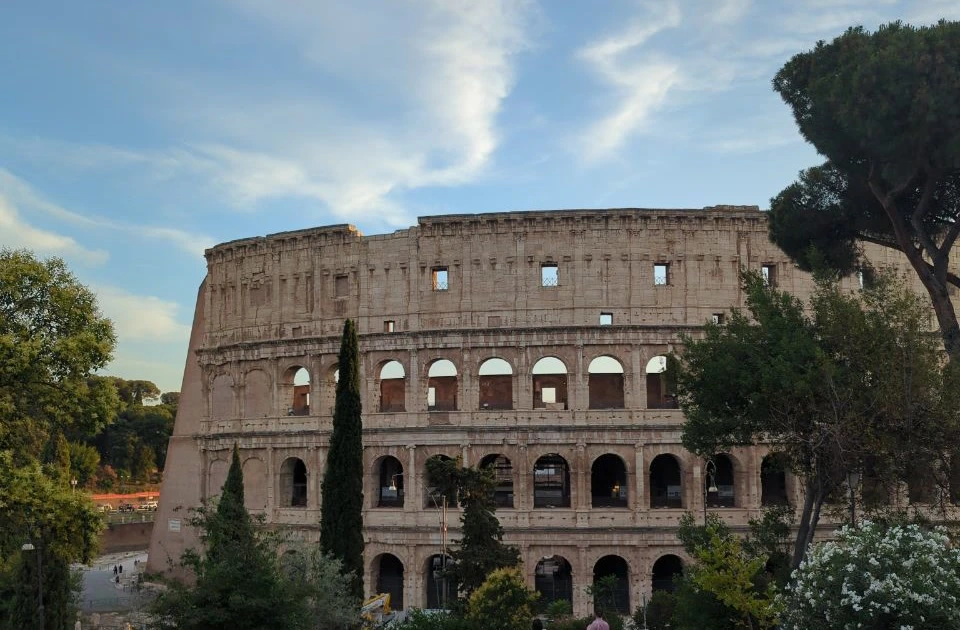
Roman Forum and Colosseum. Exterior streets and viewpoints around the archaeological area can provide layered ruins, broad stone backgrounds and strong architectural lines without requiring every familiar angle. Older scouting observations have also noted recessed viewpoints and connecting streets that can add visual variety, although these should never be treated as verified rain shelter.
Barriers, closures and controlled access can change what is possible. Confirm the intended exterior viewpoint and abandon wet steps, polished surfaces or steep approaches if they no longer feel secure. A small repositioning may be enough when one side is blocked or crowded.
One documented 2023 shoot changed from Trevi to an exterior Colosseum viewpoint by taxi. That example shows that a larger move can sometimes work, but it does not predict current traffic, access or journey times. In rain, confirm that the destination remains worthwhile before committing photography time to a cross-city transfer.
Trastevere. Trastevere shifts the emphasis from monumental Rome to colourful façades, narrow streets and neighbourhood texture. You might walk past shuttered buildings as scooters move over wet roads, then pause at a colourful corner for a closer portrait.
The area is not guaranteed to be quiet, but its connected streets offer alternatives when one corner becomes busy. A doorway created a lovely pool of light during one reported Rome shoot, showing how ordinary architectural details can become useful backgrounds in changed conditions.
Ponte Sant’Angelo and the Vatican-side streets. This pairing combines a classic Rome view with colourful, more intimate streets nearby. A brief photograph with the bridge and Castel Sant’Angelo behind you may be enough before moving on.
The bridge is exposed, so omit it if wind, crowds or slippery ground make it uncomfortable. The Vatican-side streets can provide narrower perspectives, greenery and warm façades without asking one setting to carry the whole shoot.
Lower Tiber positions should not form part of a core wet-weather route. Heavy rain, rising water, poor visibility and uncertain surfaces can make river-level areas unsuitable. Any viewpoint near the water must be assessed using the conditions on the day.
Aventine and the Orange Garden. The Aventine can work as an optional final chapter during a genuine dry break. Its quieter streets, yellow walls, flowers and softer residential character contrast with central Rome, but the journey only makes sense when access, travel conditions and footing support it.
Treat the Orange Garden as an outdoor location rather than the foundation of a wet-weather plan. If the forecast remains unstable, an adaptable central cluster may be more useful than travelling to the Aventine in the hope that conditions improve.
What actually counts as cover in Rome?
Trees may soften an ordinary shower briefly, but they are not dependable protection during a thunderstorm. They do not protect you from lightning, falling branches or wind-driven rain. If electrical weather develops, leave exposed areas and follow appropriate safety advice.
Doorways may be private or essential for access. They can sometimes provide attractive light or a simple background, but they should not be treated as waiting areas. Never block residents, hotel guests, customers, deliveries or businesses, and move immediately when access is needed.
A café may be a comfortable place to pause if you are customers, there is space and the staff are happy for you to wait. A coffee break can give you time to warm up and decide whether you still want to continue. However, a busy café is not obliged to accommodate a photoshoot, wet equipment or a lengthy delay.
Churches, monuments and ticketed interiors are not automatic rain alternatives. Entry arrangements, queues, security procedures and photography restrictions can change. Do not rely on an interior unless access and permission have been confirmed in advance.
Useful cover should be dry, safe, publicly accessible and appropriate for a short wait. It should allow you to warm up, regroup and make a calm decision. If it cannot do those things, it is not a practical part of the rain plan.
Let footwear and warmth decide the walking distance
If you want formal shoes for a few portraits, you may be able to carry them and change somewhere dry and private enough to do so without delaying the shoot. This only helps when the change is genuinely simple. Speak to your photographer beforehand about the expected walking distance, likely surfaces and how quickly the route can be reduced.
Choose manageable layers and consider how your coat or jacket will look in the photographs, since you may end up wearing it for most of the session. Damp fabric and a cool breeze can make a comfortable temperature feel much colder once you stop moving.
Raised shoulders, shortened steps and cold hands are useful signs that the session should move towards its final photograph. Stopping then protects both the images and your memory of the experience.
Check access and transport before changing areas
Check the ground and crowds around you first, then confirm that the next location remains accessible. For the Colosseum complex, the official Parco archeologico del Colosseo website is the primary place to check current operational information. Official updates should take precedence over older photography blogs, session reports or scouting observations.
ATAC is the official source for Rome’s public transport information, but routes and services should still be checked live. Taxi times may lengthen sharply when rain, congestion and demand increase. A journey that looked simple during planning may consume a substantial part of the session once roads become busy.
Consider what the transfer will realistically provide. If the next setting offers a clearly different look and conditions there are confirmed, moving may be worthwhile. If it only replaces one wet, crowded landmark with another, remaining in the current neighbourhood is usually the more coherent choice.
Your photographer should also know where the route can end without creating a difficult return journey. This matters particularly if the shoot finishes early, public transport is disrupted or either of you needs to get warm quickly.
Plan your Rome couple photoshoot with room for change
Before booking, agree what conditions would make the shoot pause or stop, how easily the route can shrink to one area and when the final weather decision will be made. Ask what the package terms say about delays, shortened sessions, cancellations and rescheduling, including whether a weather-related change affects the session length or expected number of photographs.
Discuss the amount of walking you would enjoy in light rain, the surfaces likely to be encountered and whether carrying alternative shoes would be practical. If wet streets appeal to you, explain what you like about them, whether that is reflected light, richer colours or the intimacy of umbrella photographs. If you would prefer clear-weather images, say so before the day rather than hoping you will feel differently once the rain begins.
You can explore Travaya’s photographers in Rome and ask your preferred photographer how they handle changing routes, short pauses and unsafe weather.
Rainy Rome couple photoshoot FAQs
That depends on the photographer’s terms, availability and the severity of the forecast. Agree on a decision time before the shoot so that both of you know when the route will be confirmed and when rescheduling remains possible.
It may. Delivery quantities and session lengths depend on the package and the photographer’s terms. Ask how an early finish caused by weather would affect the final gallery before booking.
Possibly, provided you can carry the second pair and change somewhere dry, private and appropriate. It is worth agreeing this in advance because searching for a changing place during a short rain break can waste useful photography time.
Only when the next location is accessible, offers a meaningful visual change and can be reached without consuming too much of the remaining session. Check live traffic and conditions before leaving a workable area.
Neither should be treated as dependable cover. Trees are unsuitable during electrical storms, while doorways may be private or required for access. Use only a safe, permitted place where you can wait without obstructing anyone.


Our Rome Shoots:
Book your Rome couple Photographer!
Start Booking
Couple Photos in Rome at Midday: Shade-First Routes That Still Look Like Rome

Cloudy Rome Couple Photos: How to Use Soft Light Across the City

How to Choose a Roman Forum Viewpoint for Your Couple Photos

Janiculum Couple Photoshoot: Dome Views, Green Walks and the Fontanone
Pincio Terrace or Piazza del Popolo First? A Couple’s Route from Square to Skyline

Villa Borghese for Couples: Lake First or Skyline First?
ENJOY $20 OFF
Your first photoshoot when you become an email subscriber.
Related Articles

Couple Photos in Rome at Midday: Shade-First Routes That Still Look Like Rome
Rome at midday is bright, busy and gloriously full of life. Stone piazzas glow, shadows sharpen and the city carries on around you at full volume. That does not make every landmark unusable. With a clever route built around real shade, brief hero frames and comfortable transitions, you can enjoy the experience and come home with photographs that feel unmistakably Roman.

Cloudy Rome Couple Photos: How to Use Soft Light Across the City
You pictured Rome in warm evening light: honey-coloured stone, long shadows and a streak of colour behind the skyline. Then the forecast filled with little grey clouds. When you only have a few days in Rome, that can feel like a setback. In practice, it simply changes how your photographer uses the city. Thin cloud, white overcast and heavy storm cover all behave differently. The question is not whether Rome will still look beautiful, but where its stone, streets and shadows will come alive beneath the sky you have.

How to Choose a Roman Forum Viewpoint for Your Couple Photos
Stand above the Roman Forum with Rome spread beneath you, and the choice can seem simple: find the widest view and stand in front of it. Scooters hum below, warm light catches the columns, and the city briefly feels still. Yet the biggest panorama does not always make the strongest photograph. You might want layers of ruins that place you unmistakably in Rome. You might prefer a quieter terrace where your expressions, clothes and body language lead the frame. For a proposal, the deciding factor may be whether you can arrive naturally while your photographer waits unnoticed.