
October 9, 2026
Lisbon City or Beach Couple Photos: Which Setting Suits You?
You can probably picture both versions already. In one, you are laughing as a tram rattles past, wandering between tiled façades and sunlit squares. In the other, you are carrying your shoes beside the Atlantic, with sand underfoot and nothing interrupting the horizon.
Both can be beautiful, but they tell different stories. Choosing between Lisbon city and beach couple photos comes down to which setting feels most connected to your trip and the experience you want to have together.
Updated

Table of Contents
Lisbon city or beach: the short answer
Choose the beach if the Atlantic, open sky and coastal atmosphere matter more than an obvious Lisbon identity.
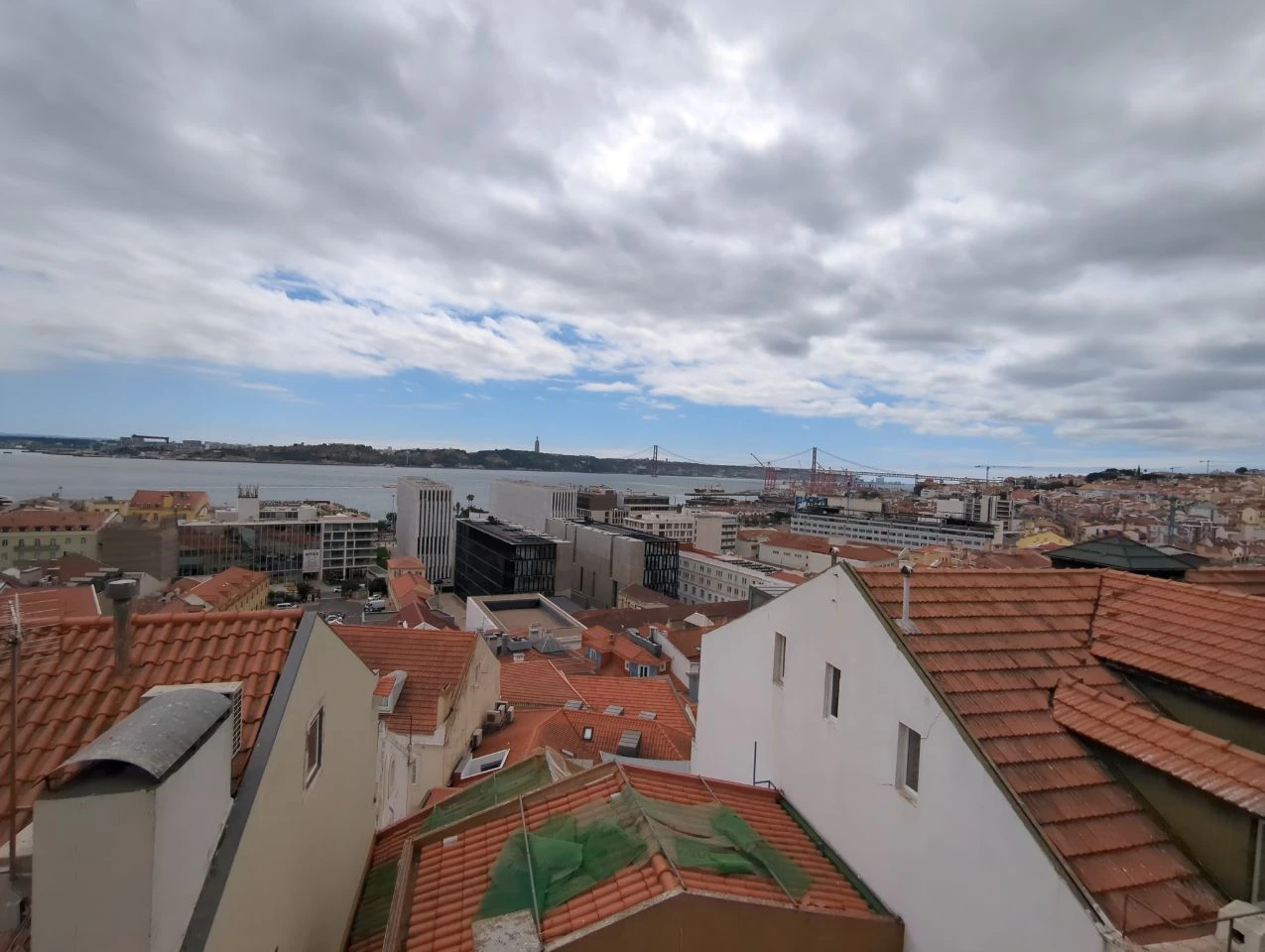
Choose the Tagus waterfront if you want open water and wider compositions while keeping the session within the city.
What do you want the photographs to say about your time in Lisbon?
A city gallery can place you in Lisbon without relying on a famous landmark. Patterned tiles, weathered façades, rooftops and passing trams can make the photographs feel inseparable from the trip. Even a quiet portrait beside a doorway can carry a strong sense of place.
That does not mean every city photograph has to feel busy. Lisbon offers energetic scenes and calmer moments within the same walk. You might cross an open square, pause beside a tiled wall or sit over coffee while the photographer catches the glance you exchange before either of you notices the camera. Variety comes from moving through connected spaces, not from racing between landmarks.
Beach photographs communicate something different. The sea becomes the strongest location cue, while the specific connection to Lisbon may be less apparent to someone who was not there. What remains is a simpler story shaped by the horizon, the weather and the way you respond to each other within that space.
This distinction can be especially useful when planning an engagement, anniversary or holiday session. Perhaps you chose Lisbon because you fell for its streets and want that character preserved. Perhaps the city is your base, but your time beside the Atlantic has become the most meaningful part of the trip. The right setting is the one that belongs to your experience rather than the one that looks most impressive in isolation.
What a Lisbon city couple session actually feels like
Movement-led photography does not mean you are left to work everything out yourselves. Direction can be light and specific. The photographer might ask you to slow your pace, turn towards each other or pause where the light reaches a façade. That provides enough structure for flattering photographs while leaving room for gestures and expressions that are naturally yours.
The changing surroundings help too. A walk can move from a broad square to a narrow street, then towards rooftops or the river without making the session feel like a checklist. Each transition creates something to react to, which can be helpful if standing still in front of a camera feels uncomfortable.
Lisbon’s terrain is part of the experience. Depending on the route, you may encounter hills, polished paving, kerbs, steps and busy crossings. Those features can create pauses, laughter and close-together moments that make the session feel alive, but your shoes still need to survive them. You do not have to dress casually. Your clothes, comfort and planned route simply need to work together.
Street activity can add atmosphere rather than spoil it. Passing trams, pedestrians and café tables help the photographs feel rooted in a living city. When a popular location is particularly busy, a photographer can wait briefly, alter the angle or continue to a nearby setting with a similar character.
An early start may reduce pressure at some well-known places, but empty streets and viewpoints cannot be guaranteed. Timing and careful framing can make a substantial difference, although the city will always retain an element of unpredictability. If that lively rhythm sounds enjoyable rather than distracting, a Lisbon city session will probably suit you.
What does a beach couple session feel like?
With fewer buildings, signs and street details in the frame, body language carries more of the photograph. The way you walk together, turn towards each other or stand quietly against the horizon becomes especially visible. Wind can add movement, but it also calls for realistic expectations about hair and clothing. Sand affects footwear and pace, while spray may influence how close you want to stand to the water.
The appearance of the beach can also differ from an inspiration photograph saved online. Light, tide, wind and cloud cover can change the colours and mood, while another beach may have different sand, rocks, access or orientation to the sun. A photograph made in another season or at another point along the coast should be treated as a reference for atmosphere, not a guarantee of identical conditions.
That variability is part of the appeal for many couples. The setting leaves room for movement and quiet interaction, but it works best when you are comfortable allowing the weather and landscape to have some influence over the result.
Want water in the frame without a beach transfer?
This option offers more breathing room than many narrow streets while keeping urban movement and architecture nearby. It can work particularly well when one of you loves Lisbon’s built environment and the other is drawn to open water.
Light, visitor numbers, temporary works and access can change, so the usable route should be checked shortly before the session. Barriers may affect a pier or part of the promenade even when the wider waterfront remains accessible.
The result is a distinct urban-waterfront story built around river light, modern architecture and the scale of the bridge. It offers space and water, but not sand, waves or an Atlantic horizon.
Why Cascais and Costa da Caparica need their own plan
Costa da Caparica requires similar preparation. The wider area includes multiple beaches, and a general destination name does not tell you where to park, where to meet or how far you will need to walk before reaching the intended part of the coast.
For either destination, match any saved inspiration image to the exact beach whenever possible. Confirm the chosen access point, the type of footing and any current restrictions with the photographer. Beaches within the same coastal area can differ in width, surrounding development, rocks, boardwalks and their relationship with the water.
Allow time for more than the main journey. Finding the correct meeting point, parking or being dropped off, then reaching the usable section of beach can all take time. If these stages happen within the booked session, they reduce the time available for photography.
The final approach matters for comfort too. A beach that appears easy to reach on a map may still involve soft sand, uneven paths, steps or a longer walk than expected. This should be considered alongside footwear, clothing, mobility and anything you plan to carry.
Conditions deserve a close-to-date check. Portugal’s weather service, IPMA, provides current wind and sea forecasts, including marine information where needed. A forecast cannot guarantee exactly what the coast will feel like, but it can help the photographer assess whether the selected place and time remain sensible.
What really changes between city and beach?
| Factor | Lisbon city | Separately planned beach |
|---|---|---|
| Overall feel | Lively, exploratory and shaped by frequent transitions | Spacious, exposed and centred on one landscape |
| Visual identity | Architecture, tiles, streets, viewpoints, trams and Tagus context | Sand, sea, open sky and the Atlantic horizon |
| Movement | Walking between connected settings creates variety | Smaller changes in position, light and distance shape the gallery |
| Footing | Slopes, paving, kerbs, steps and crossings may affect the route | Sand, uneven access and the waterline may affect pace |
| Clothing | Shoes need to remain comfortable across the planned walk | Wind, sand and spray may influence hair, hems and footwear |
Neither setting is automatically easier for mobility. A city route may include steep sections or steps, while reaching the beach can involve soft sand or uneven ground. The useful question is not whether city or beach sounds accessible in general, but what the exact route from the meeting point to the final frame involves. A photographer can often adapt a plan more effectively when mobility requirements are discussed before selecting the location.
Portfolio photographs also need interpretation. A Lisbon viewpoint may look empty because of timing and framing. A broad beach can appear deserted even when other visitors are nearby. Photographers often create a sense of privacy through composition rather than finding a completely private place.
Which setting is easier if plans change?
Lisbon can provide useful flexibility because another street, façade, square or sheltered angle may be close to the original location. If one place is crowded or temporarily blocked, the photographer may be able to change the composition or continue nearby without losing the character of the route.
That flexibility still requires preparation. Roadworks, public events, traffic changes and temporary closures can affect an urban plan. Current transport information and relevant local notices should be checked before the route is finalised, particularly when a tram, viewpoint or specific street is important to you.
A coastal session concentrates more of the plan around one selected environment. If wind, sea conditions or access make the intended area unsuitable, another nearby beach may not offer the same appearance or practical advantages.
Agree in advance on an acceptable alternative and the conditions that would trigger it. That could mean another suitable coastal location, a different access point or a city setting selected beforehand. It is also worth deciding when the call will be made. Repeatedly checking a forecast is less useful than knowing which combination of wind, rain, sea conditions or access problems would lead to a change.
Consider how much flexibility exists within your original idea. If you care about the general mood of Lisbon streets rather than one exact corner, the city gives the photographer more room to adapt. If a particular beach or coastal feature is essential, the fallback should be chosen with equal care rather than improvised on the day.
Can you combine Lisbon city and beach in one session?
The transition includes finishing the city portion, travelling to the coast, finding the correct meeting point and walking to the intended part of the beach. Changing clothes or footwear introduces another pause. You are also leaving one atmosphere and beginning another, which can interrupt the natural rhythm of the session.
Every transition reduces photography time. A tight schedule can produce a thin version of both experiences: a few hurried city frames followed by a coastal arrival governed by the clock. A longer or separately designed booking may be needed, depending on the starting point, selected beach, transport, mobility requirements and the photographer’s working area.
There is also a storytelling question. A tram-lined afternoon and a windswept shoreline can belong together beautifully, but they read as two chapters rather than one uninterrupted walk. If both are essential, ask the photographer to approve the entire timeline before confirming the plan. If one setting is merely nice to have, prioritising the stronger idea will usually create a more coherent gallery.
Plan your Lisbon couple session
Explore Travaya’s photographers in Lisbon and share the setting, atmosphere and practical requirements you have in mind before booking.
FAQs about Lisbon city and beach couple photos
Choose before confirming the final session plan, especially if you are considering Cascais or Costa da Caparica. Coastal work may affect the photographer’s availability, travel arrangements and recommended session length. An early decision also leaves time to check the exact location rather than relying on a general beach name.
No. It is more useful to explain what you want the photographs to feel like, how much walking you are comfortable with and whether any visual detail is especially important. A local photographer can then suggest a route or location that fits those priorities. If you already have inspiration photographs, share them as references and ask whether they were made at the location you are considering.
For a city session, leave enough space around the booking that delays, hills or a slightly adjusted route do not create unnecessary pressure. For the coast, allow additional time for travel, parking or drop-off and the walk from the meeting point. Avoid placing a fixed reservation immediately after the expected finish if returning from the beach could be affected by traffic or slower access.
Keep belongings limited to what you can carry comfortably or safely leave with someone you trust. Bags, spare shoes and coats may need to be moved whenever the photographer changes position. At the beach, anything placed on the sand may also be exposed to moisture or wind. If you need several items, discuss how they will be managed before the session begins.
Yes. Both settings provide simple actions that reduce the pressure to pose continuously. In the city, you can walk, talk, cross a square or pause at a café. At the beach, you can follow the waterline, move together or stop to watch the sea. The photographer can give clear, light direction while allowing genuine reactions to develop between prompts.
It can. Staying near the planned city route may simplify an early start and reduce the need to carry extra belongings. A coastal session requires more attention to transport in both directions, particularly if it finishes later in the day. Consider the complete journey back as well as the outward trip when deciding whether the coast fits comfortably into your plans.


Our Lisbon Shoots:
Book your Lisbon couple Photographer!
Start Booking
How to Choose One Alfama Street for Your Couple Photos

How to Choose an Azulejo Background for Your Lisbon Couple Photos
How to Recognise an Overlooked Lisbon Couple Photo Spot
Praça do Comércio Couple Photos: Choose the Arcade, Arch or River View

Belém Tower Couple Photos: Three Ways to Make the Most of Water, Light and Views
Which Tagus Waterfront Setting Suits Your Lisbon Couple Photos?
ENJOY $20 OFF
Your first photoshoot when you become an email subscriber.
Related Articles

How to Choose One Alfama Street for Your Couple Photos
Alfama can make you want everything at once: patterned tiles, worn doors, steep steps, slivers of sky and lanes that seem to fold into each other. Trying to collect every postcard detail, however, can leave you spending more of your session watching your footing and changing locations than enjoying the person beside you. Start with one main street and one backup spot just around the corner. One street will not suit every couple. If recognisable landmarks are central to the photographs you want, several locations may make sense. But if you love Alfama for its faded tilework, close lanes, weathered details and intimate atmosphere, one carefully chosen pocket can offer plenty of variety without turning the session into a route march.

How to Choose an Azulejo Background for Your Lisbon Couple Photos
You have found three tiled façades in Lisbon, and all three look beautiful on your phone. One has an intricate blue-and-white motif, another is gloriously colourful, and the third feels unmistakably Portuguese. The real question is not which wall is prettiest. It is which one suits the photograph you want, what you are wearing and the way you hope to remember the day. The best choice makes the image feel unmistakably Lisbon while leaving room for you to look like yourselves. Someone viewing the photograph should notice a shared glance, a hand at a waist or the movement of a dress before beginning to inspect the tile pattern. To choose well, consider the intended composition, how the motif behaves from camera distance, your outfits, the usable pavement, nearby entrances and the conditions on the day.
How to Recognise an Overlooked Lisbon Couple Photo Spot
A pedestrian wanders into the background. The sun slips away from the tiled wall. A delivery van settles into the neat patch of street you had pictured using. Nothing dramatic has gone wrong, but the photograph you imagined five minutes ago has vanished. That is Lisbon for you: gorgeous, lively and always changing. Choosing a couple photo spot here takes more than finding somewhere lovely on a map. The useful question is whether a corner offers flattering light, safe movement, varied compositions and an easy alternative when conditions shift. When it does, you can keep walking, chatting and enjoying each other’s company until your shoulders drop, the camera fades into the background and the photographs start to feel unmistakably like the two of you.