
October 8, 2026
Beautiful Couple Photos Without Awkward Posing: How to Feel Natural in Budapest
Budapest glows across the Danube, cool river air catches your face, and a tram bell sounds somewhere behind you. Then the camera appears. Suddenly, your hands feel unusually important, and you cannot remember how you normally stand beside the person you love. Being told to “just act natural” only makes everything feel stranger.
There is no need to arrive at your couple photoshoot with a catalogue of poses memorised. You only need enough guidance to stop thinking about the camera every few seconds.
A pose gives you an arrangement to hold. A prompt gives you something small to respond to. Both can be useful, particularly when the photographer introduces them at the right moment and adapts them to the way you naturally interact.
Updated

Table of Contents
Feeling awkward at first does not mean the photos will look awkward
The opening minutes are there to help you settle rather than produce the defining portrait of the session. One couple’s published account from 2023 described arriving slightly anxious and becoming more comfortable within minutes, although there is no required timetable. An easy walk and conversation may be enough. Perhaps you take a wrong turning, laugh about it and realise neither of you has thought about your hands for the past thirty seconds. Your attention has moved naturally from the camera back to each other and the city around you.
It helps to agree on a few boundaries before starting. You might prefer not to stare into the lens immediately, want to avoid forced affection or need the freedom to change a direction that feels uncomfortable. Knowing that nothing has to be perfect on the first attempt removes much of the pressure.
You may still notice the camera from time to time. That is not a problem. Looking relaxed does not require forgetting that the photographer exists. It simply means you have enough space to talk, move and respond in a way that still feels recognisably yours.
Agree what “natural” means to both of you
Explain what suits you before the session. Say how much direction feels reassuring, whether staged laughter makes you cringe and how many camera-facing portraits you would like. Be specific about affection too. You might happily hold hands but dislike kissing in public, or prefer closeness to emerge during a conversation rather than being arranged at the outset. Booking a couple session should never be treated as automatic consent to repeated embraces or kisses.
Mention any mobility, health or sensory requirements that could affect the route. Useful details might include a comfortable walking distance, difficulty with stairs, sensitivity to crowded places or the need for occasional pauses. These are practical considerations, not inconveniences.
If one partner is more confident, the quieter person does not have to imitate their energy. Begin at the pace of whoever needs more time. The quieter partner could choose the first street or activity while the other continues a familiar conversation. The more relaxed person can offer reassurance without feeling responsible for performing on behalf of both of you.
Agree on a simple reset phrase, such as “Let’s change that” or “Can we keep walking?” If a direction feels uncomfortable, either person can use it. Everyone moves on without turning a small moment of discomfort into a discussion that interrupts the session.
Begin with movement instead of a held pose
Start somewhere with enough room for an easy walk. Keep your normal pace rather than attempting to synchronise every step. Joined hands can swing naturally or separate as the conversation changes. If you drift slightly apart while telling a story and then move closer again, that changing distance may feel more truthful than a perfectly matched stride.
There is no requirement to keep turning towards the lens. Look where you are going, glance at the surroundings and respond to your partner as you ordinarily would. The photographer can move around you and choose moments when the light, background and interaction come together.
Footwear matters more than elaborate styling if the plan includes cobbled streets, park paths or slopes. Shoes that pinch or slip will change the way you move and may make a short route feel unnecessarily demanding. Tell the photographer if the pace, stairs or distance need adjusting. A compact session can offer just as much variety as one that crosses several neighbourhoods.
Walking is optional. If it feels artificial or is physically uncomfortable, begin with a conversation beside the water, sit where public seating is available or choose an architectural detail together. Movement is one way to settle into the session, not a test everyone must pass.
Replace “act natural” with one small Budapest task
Near Matthias Church, walk towards a view at your usual pace and decide which detail you want to see first. In City Park, choose together whether to follow the water or continue towards the architecture. The decision may lead to teasing, a debate or a memory from earlier in the trip. That response is more personal than mechanically walking back and forth for the camera.
At Fisherman’s Bastion, you could each select a favourite arch, turret or rooftop. One of you might choose the grand river view while the other insists that a tiny carving or crooked roof is much more interesting. You now have something real to discuss, allowing expressions and gestures to emerge without direct instruction.
Near a Parliament view, listen for a tram and watch it pass together. The bell may cut through your conversation, prompting both of you to turn before looking back at each other. If no tram appears, the river, skyline and activity nearby can still hold your attention.
Beside the water in City Park, continue a genuine conversation about Budapest. Compare the best pastry you have tried, revisit a meal you ordered badly or talk about the plan you abandoned and were glad you did. The park provides the setting while the conversation keeps the moment connected to your trip.
In Margaret Island’s Japanese Garden, each person could choose one detail to show the other. Ponds, little bridges, rocks, cascades and seasonal planting offer plenty to discover together. The point is not to manufacture delight but to create a reason to look, listen and respond.
If a prompt feels wrong, use the reset phrase you agreed earlier. No prompt owes the photographer a laugh, and repeating the same action rarely makes the reaction more genuine. A useful direction creates an opportunity rather than demanding a particular expression.
Let Budapest shape the frame while you do less
Fisherman’s Bastion offers turrets, courtyards, arches, steps and covered passages within a compact area. Moving from a tunnel to an open viewpoint can change the light and composition without sending you across the city or interrupting the conversation. Crowds, access and light vary, but the architectural range allows several distinct photographs within one area.
On Chain Bridge, the ironwork, chains and towers can add structure and depth around a couple walking normally. The river and city beyond provide another layer, so neither person has to create all the visual interest through an elaborate pose.
A photographer can also use doorways, walls, railings or foreground details to simplify a busy scene. This is one reason a quiet interaction can still produce a strong photograph. Your role is not to compete with Budapest’s architecture. The photographer can decide how much of the city belongs in the frame.
This approach is particularly useful for couples who prefer understated affection. Standing close beneath an arch or sharing a view can communicate intimacy without a dramatic embrace. The setting carries some of the visual weight while the interaction remains restrained and believable.
Introduce still portraits once the interaction is flowing
Continue an interaction that already belongs to the two of you. Finish the story you were telling, look towards the river together or recall the funniest mistake from the trip. Being stationary does not mean every part of the moment must freeze.
A little direction can be helpful. The photographer might suggest a slight turn towards the light, adjust where you stand or invite you to move closer. These small changes give the portrait clarity without creating a long sequence of instructions about hands, shoulders and chins.
Some of the quietest interactions need very little intervention. One person might straighten the other’s scarf or brush away a strand of hair while the photographer waits. If that gesture would never happen between you, there is no reason to invent it. A shared glance or comfortable silence may suit you better.
Camera-facing portraits can also be brief. Take the photograph for which both of you look towards the lens, then return to each other rather than holding the expression through a long series of nearly identical frames.
Still portraits work best as a quiet breath between livelier moments. They add variety without making the whole experience feel choreographed.
Choose an area where you will feel comfortable
The Castle District suits couples who want variety without repeated transfers. Remaining in one neighbourhood reduces travel interruptions and makes it easier to change the route as you go. Its popularity, however, means privacy should never be assumed.
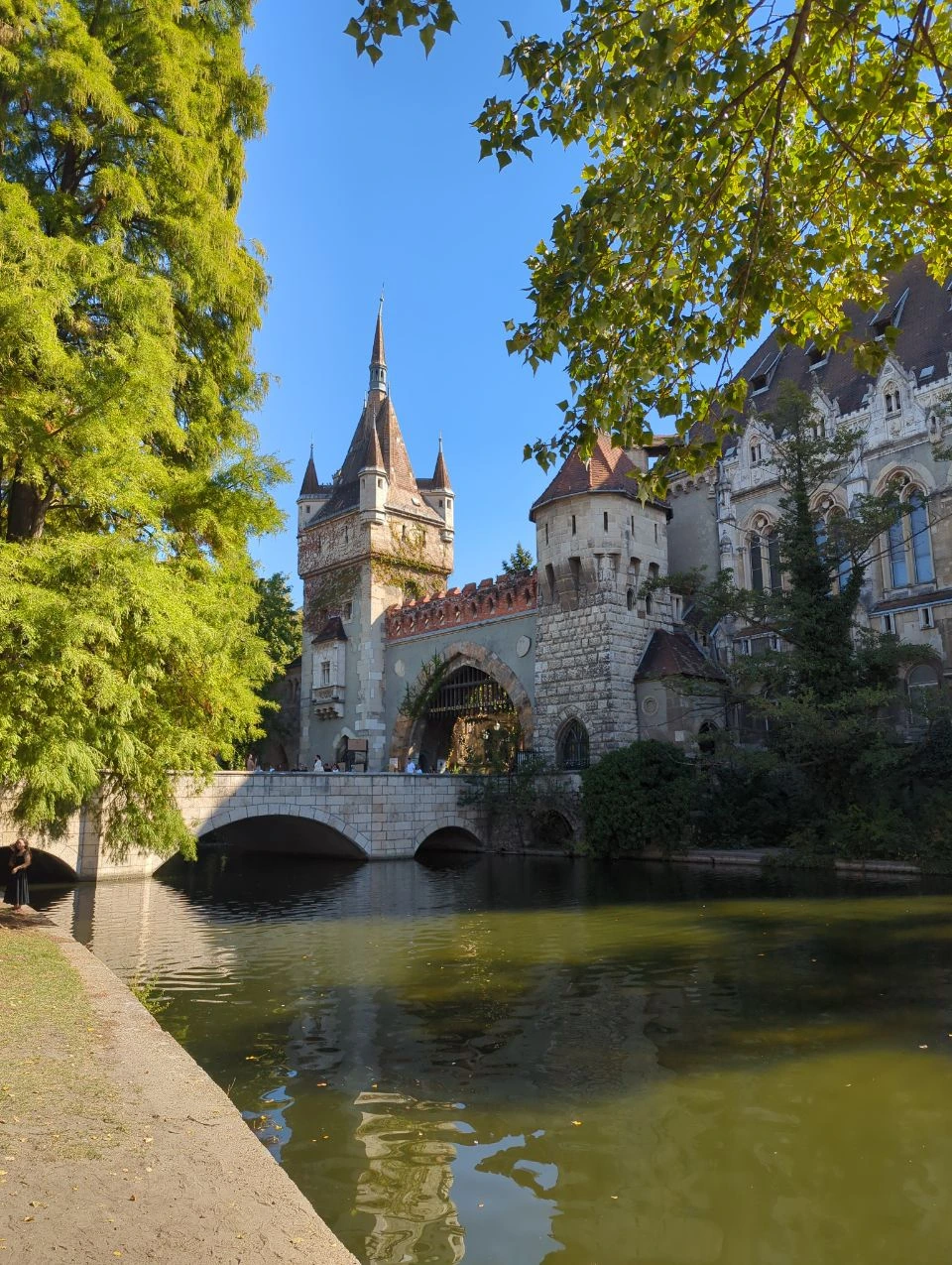
The wider Vajdahunyad Castle and City Park area can suit couples who relax through gentle movement in greener surroundings. Its mix of paths and open spaces allows the route to expand or contract according to your energy and the conditions. Foliage, shade, water levels and the appearance of individual areas vary with weather, season and maintenance, so flexibility matters more than recreating a precise photograph.
Margaret Island often appeals to couples who prefer quieter discovery over monumental city views. The island offers room to slow down, while the Dominican convent ruins add a contrasting historic atmosphere. Access around heritage remains may be restricted, and their former openings or walls should be treated as part of the setting rather than assumed to be places for posing.
The Chain Bridge and Parliament area has a more urban rhythm. Traffic, crossings, river wind, trams and passing pedestrians create movement around you. That energy can be enjoyable if you like being part of the city, but it may feel demanding for anyone who becomes tense around busy crossings, crowds or public attention.
There is no universally easiest place for a camera-shy couple. The strongest choice is usually the area that supports something you already enjoy, whether that is following a park path, noticing architectural details, sharing a quiet view or moving through a lively cityscape.
Trying to include too many areas can work against the relaxed atmosphere you want. Travel time interrupts conversations, introduces more deadlines and may turn the session into a checklist. One flexible neighbourhood often provides more useful variety than several hurried stops.
When a public place does not cooperate
Budapest’s public spaces can change quickly. A quiet street may become busy, maintenance may affect a familiar view, or an event may alter access. An occupied landmark could lead you towards a calmer Castle District lane or an unexpected glimpse of the river. Flexibility often improves the experience even when it changes the original plan.
An early start can provide softer light and sometimes quieter streets, but it cannot guarantee an empty landmark. Choose the time for the quality of light and the atmosphere you prefer, then keep realistic expectations about other visitors.
Wind beside the Danube may also influence the route. Rather than fighting it through every frame, the photographer can change direction, use surrounding buildings for shelter or spend less time beside the river. In parks, recent rain may affect paths and lawns. Conditions that seem minor on paper can influence comfort once you are standing outside, so a route should remain adjustable.
Opening arrangements, closures, fees, permit requirements and photography conditions can change. Check current information shortly before the session, particularly if the plan relies on a managed garden, historic site or restricted area.
Stay on permitted paths and levels, and treat bridges, ruins, walls and historic structures with care. Avoid climbing on architectural elements, blocking entrances or stopping in active crossings. These boundaries still leave many ways to create interesting photographs. A good plan works with the city as it is on the day rather than depending on access that may be unsafe or unavailable.
Ready for a Budapest photoshoot that feels like you?
Choose a photographer whose communication feels calm and clear, as well as someone whose photographic style appeals to both of you. Look through complete sessions where possible, paying attention to how couples appear during quieter moments as well as in the most dramatic portraits.
Browse Budapest photographers to find the right fit for your time together in the city.
Frequently asked questions about planning your Budapest couple photoshoot
Choose clothes that allow you to walk, sit and turn comfortably. Consider the route, temperature and river wind rather than dressing only for a single photograph. Colours can coordinate without matching exactly, and secure layers are easier to manage than accessories that need constant adjustment. Comfortable shoes are especially valuable on cobbles, slopes and longer park paths.
Keep what you carry simple. Water, a compact layer and any essential medication may be useful, while large bags can become distracting and limit movement. If you need to bring belongings, ask beforehand whether they can remain safely with the photographer during individual frames. Avoid relying on props unless they have genuine relevance to your relationship or trip.
Yes, provided it fits naturally into the session. A small keepsake, letter or object connected to your trip can give you something personal to discuss or handle. It should support the interaction rather than become the subject of every photograph. Tell the photographer in advance so they can consider when and where to include it.
Check the forecast close to the session and agree on a flexible meeting point or route. Bring practical layers and footwear suited to the ground conditions. Light cloud, wind or a brief shower does not automatically prevent good photographs, but comfort and safety should guide any decision to shorten, delay or redirect the session.
Of course. A pause can help with tiredness, temperature, sensory overload or a simple need to reset. Mention this possibility before starting, particularly if either person has a health or mobility consideration. A well-paced session should leave room for comfort rather than treating every minute as continuous shooting.


Our Budapest Shoots:
Book your Budapest couple Photographer!
Start Booking
A Couple Photoshoot at Fisherman’s Bastion: How the Session Unfolds

The Best Budapest Streets for Natural Couple Photos

How to Prepare for a Couple Photoshoot in Budapest

A Romantic Couple Photoshoot at Buda Castle: A Gentle Palace Walk for Two

Photos with the Hungarian Parliament: which side should couples choose?

A Fairytale Couple Photoshoot at Vajdahunyad Castle
ENJOY $20 OFF
Your first photoshoot when you become an email subscriber.
Related Articles

A Couple Photoshoot at Fisherman’s Bastion: How the Session Unfolds
A couple photoshoot at Fisherman’s Bastion can give you loads of variety without needing an elaborate plan. Its pale stone arches, stairways, towers and open terraces create natural opportunities to walk, pause and enjoy each other’s company, with Budapest ready to sweep into the background whenever you want a wider view. You do not need to arrive knowing how to pose. The architecture gives you something to move through and respond to, while your photographer can offer simple prompts as the session unfolds. The result is a connected gallery filled with close portraits, playful moments and expansive city scenes, rather than a string of stiff poses.

The Best Budapest Streets for Natural Couple Photos
You turn a corner, the buildings open slightly and a familiar Budapest landmark appears between the façades. One of you notices it first; the other follows their gaze without breaking stride. The landmark places you in the city without taking over the photograph. You are still walking, talking and looking at each other rather than queuing for a formal pose in front of a monument. That is one of the loveliest ways to photograph a couple in Budapest. A leafy path below the Castle District feels very different from the grand approach to St Stephen’s Basilica, yet both give you space to move and respond naturally. The question is not which backdrop looks most impressive, but where you are most likely to loosen up and enjoy the walk.

How to Prepare for a Couple Photoshoot in Budapest
Budapest can feel completely different from one street to the next. You might walk hand in hand beneath the pale arches of Fisherman’s Bastion, hear a tram rattling beside the Danube, then warm your hands around coffee on a neighbourhood boulevard that feels far removed from the main sights. That variety is exciting, although choosing where to go can feel harder than it needs to. Begin by deciding how you want the photographs to feel, then choose a setting that supports that atmosphere. A little planning goes a long way. The light, crowds, hills, cobbled streets and walking distances can all shape how comfortable you feel. Once those details are working for you, the session becomes less about collecting landmarks and more about enjoying Budapest together.