
Table of Contents
Plan the Spanish Steps Story That Feels Like You
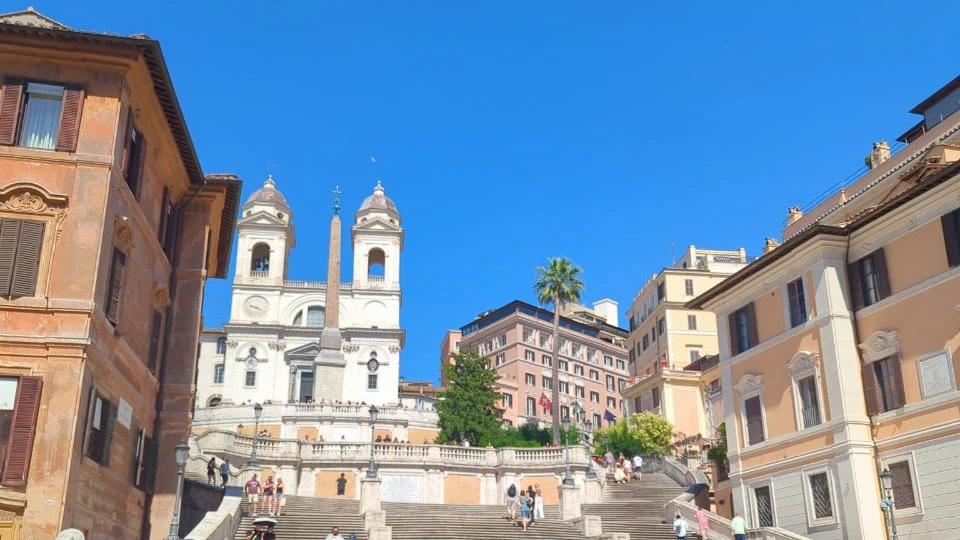
That change is the reason the Spanish Steps can hold a complete portrait session. They're not one photograph. They're a compact route with a fountain, a wide architectural view, winding ramps, close stone corners and a final look back over the city.
The easiest plan starts with one choice. Do you want the Spanish Steps to feel monumental, do you want to pair them with quieter streets, or do you want a morning that moves between two Rome icons? Once you know that, the light, route and minutes become much easier to choose.
Early morning gives you the best chance of broad views and softer light. A later session brings more city energy and works beautifully for closer portraits. Thirty minutes can tell one complete Spanish Steps story, 60 minutes can add a second mood, and 90 minutes can pair the Steps with Trevi Fountain without turning your session into a landmark race.
The postcard frame can have its moment. It just does not need the whole morning.
Choose the story for your Spanish Steps photoshoot
The monument story feels bold and unmistakably Roman. You begin near Barcaccia, let the full staircase rise behind you, move into the side curves and finish with the view back over Piazza di Spagna. The photographs shift from fountain and square to pale stone, changing levels and open sky, all within one landmark. This is the strongest choice when you want one hero location, a simple meeting point and plenty of Rome in every frame.
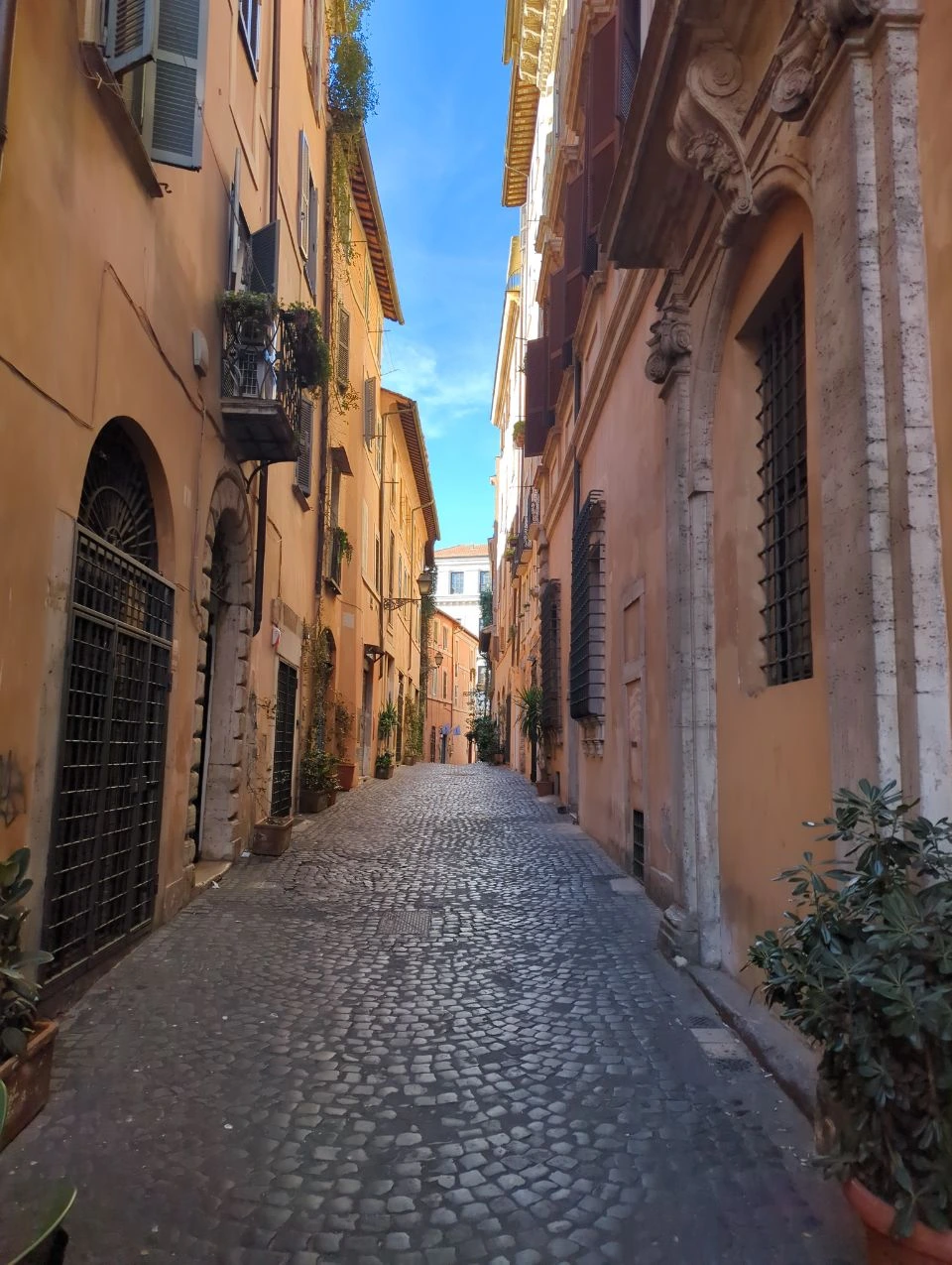
The street story feels closer and more personal. You still give the staircase its grand moment, then walk towards Piazza Mignanelli, Via dei Condotti or Via Margutta. Ochre walls, old doors, ivy and a quieter street scale bring your expressions forward. This works beautifully for couples who want movement, families whose children relax once they can walk and solo travellers who want the landmark plus a more editorial street chapter.
The two-icon story feels like a morning out in Rome. Trevi Fountain and the Spanish Steps sit close enough for the streets between them to become part of the gallery. You get water and sculpture at Trevi, the rising architecture of the Steps and the in-between frames where you're simply walking, talking and reaching for each other. This suits you when the experience matters as much as the individual landmarks.
Think about the one photograph you would print first. If it's a wide portrait with the staircase, stay focused on Piazza di Spagna. If it's a laugh in an ochre lane, add the street chapter. If it's the feeling of crossing Rome together before breakfast, choose two icons.
That single choice protects the session from becoming a collection exercise. Rome has plenty of famous places. Your gallery only needs the ones that belong to the same story.
Early calm or later Roman energy?
The exact start should follow your date, not a permanent clock time. Sunrise shifts through the year, summer mornings warm quickly and the square can change within half an hour. Your photographer can set the meeting time around the light and the route you chose.
Early does not mean private. The Spanish Steps remain a public monument. A cleaner may cross the square, another traveller may arrive with the same good idea and Rome will continue being Rome around you. The advantage is a better chance of space, not an empty-stage guarantee.
That honesty makes the morning easier. You're not waiting for an impossible version of the city. Your photographer can use the clear pockets for the broad frames, then move closer when the square becomes livelier. A person crossing in the distance doesn't undo the photograph. Sometimes it gives the city just enough pulse.
Later morning and evening offer another mood. The shops are open, the streets have energy and Piazza di Spagna feels like a meeting place again. Side turns and pale walls become especially useful because they let the architecture frame you without requiring the whole staircase to look empty.
For a couple, that can mean closer photographs, more walking and less attention on a formal pose. For a family, the city activity gives children plenty to watch between frames. For a proposal, a later hour can bring an audience and the wonderful possibility of applause after the yes.
Choose early when you want monument scale, softer light and a calmer pace. Choose later when you enjoy the feeling of being in the middle of Rome and want the people, sounds and movement to belong to the memory. Compare sunrise and sunset for a Rome photoshoot before settling on that atmosphere.
Let the staircase unfold from Barcaccia to the view
Then step far enough back for the whole staircase to rise. This is the photograph people recognise immediately, so give it a clean, simple moment. Stand close together, let a child come to the front or use one strong solo shape against the architecture. The square has already brought plenty of theatre.
From there, the staircase becomes much more interesting. Turismo Roma describes 11 ramps that divide, wind, meet again and repeatedly change direction. In portrait terms, that means you have side curves, small landings, pale walls, balustrades and changing heights before you ever reach the top.
Those side sections often create the photographs that feel most like you. Walk towards your partner through a turn. Let your children stand one level above you. Pause beside a pale wall where the busiest part of the square disappears from view. Turn back towards Barcaccia and let the staircase lead the eye without filling every centimetre of the picture.
The straight central frame proves where you're standing. The curves give the gallery its personality.
If the climb feels good, finish near the upper level. Looking back over Piazza di Spagna and Via dei Condotti changes the scale again. The staircase becomes foreground, the city opens below and the sky enters the picture. For a couple or solo traveller, that final view can feel like the release after the more formal frames at the base.
The full climb is optional. A complete level route can stay around Piazza di Spagna, use Barcaccia from a respectful distance, frame the rising staircase behind you and move into Piazza Mignanelli or Via dei Condotti. The Spanish Steps still read clearly, while the people in the photographs keep the pace that feels right.
Rome has already brought the staircase. You don't need to bring a performance.
Begin with Barcaccia and the full staircase, then let the side curves create closer portraits.
The current rules create better movement
That sounds restrictive until you picture the alternatives. Walk up a few steps together. Pause on a curve and look back over the square. Let your partner take your hand from the level below. Bring your family into a standing group hug, then let the children lead you towards the next street. The rule naturally pushes the session towards movement, which is often where the warmest photographs begin.
Keep pathways open and move when another visitor needs the space. A wide frame only takes a moment, and the next turn may give you an even better background. Small, light sessions fit the rhythm of the square far more naturally than a setup that needs to control it.
Roma Capitale keeps the current Urban Police Regulation online. Check the current page before the session and follow any signs or local police instructions on the day. The useful rule is simple: stand, walk, keep the monument free and let the changing levels do the posing work.
You may see older articles quoting a fixed fine. The respectful route matters more than repeating an old amount that may not reflect the current sanctions. Plan the movement well and the number never needs to become part of your morning.
Choose 30, 60 or 90 minutes for your Spanish Steps photoshoot
Thirty minutes gives you one landmark with several clear chapters. Meet at Barcaccia, begin with easy movement around the square, take the full staircase portrait and use one or two side curves. If your pace is comfortable and the upper view matters, finish there. If children, footwear or mobility make the climb less inviting, stay at the base and add Piazza Mignanelli instead.
This is a strong choice for a solo traveller, a couple who wants one unmistakable Rome setting or a family whose youngest member has a beautifully brief window of enthusiasm. You'll have less room to wait for a specific empty-looking background, so the photographer works with the square as it's found and keeps the route moving.
Thirty minutes does not mean thirty versions of the same pose. The wide frame, side wall, changing height, close portrait and walking moment already create variety. The location does the changing for you.
Sixty minutes gives you one landmark and two moods. You can move more slowly through the Steps, wait for a useful gap in the square and add one nearby street chapter. Piazza Mignanelli keeps the route very compact. Via dei Condotti gives a strong line through the city. Via Margutta brings ivy, doors and a softer neighbourhood feeling.
The open-source walking estimate from the Steps to Via Margutta is roughly 475 metres, around six minutes without photographs or crossings. In a session, that walk becomes useful time. A hand-in-hand frame, a quick stop by an ochre wall and a laugh while you decide which way Rome is sending you can be as valuable as the next named location.
Sixty minutes also works well when you want only the Spanish Steps but prefer a gentler pace. A family can take the full-group portrait early, give children a short staircase adventure and finish with movement in a level street. A multi-generational group can keep grandparents at the strongest base-level background while younger relatives rotate in and out.
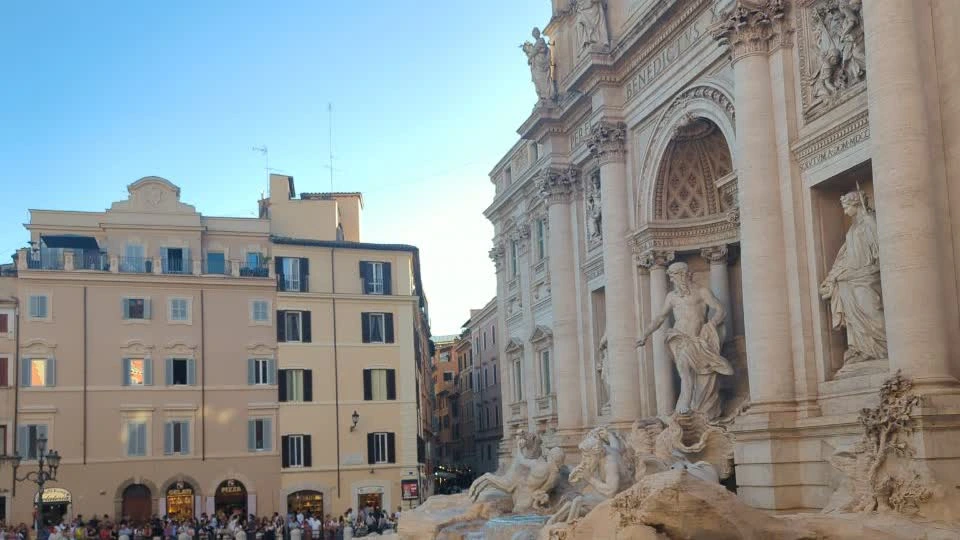
Ninety minutes gives a second icon room to breathe. Trevi Fountain and the Spanish Steps are roughly 650 metres apart, about nine minutes of pure walking before you include portraits, crossings and crowd flow. Around sunrise, start at the landmark that's likely to become difficult first, then let the connecting lanes carry you towards the second chapter. On many mornings that means Trevi first, although the exact order should follow the date and conditions. Our Trevi Fountain photoshoot guide explains the positions and access details for that first chapter.
This is where the session begins to feel like a small Rome story. At Trevi, the water and sculpture fill the scene. Between the icons, your shoulders drop and your natural walk takes over. At the Spanish Steps, the architecture opens again. By the second landmark, you have usually stopped wondering what to do with your hands.
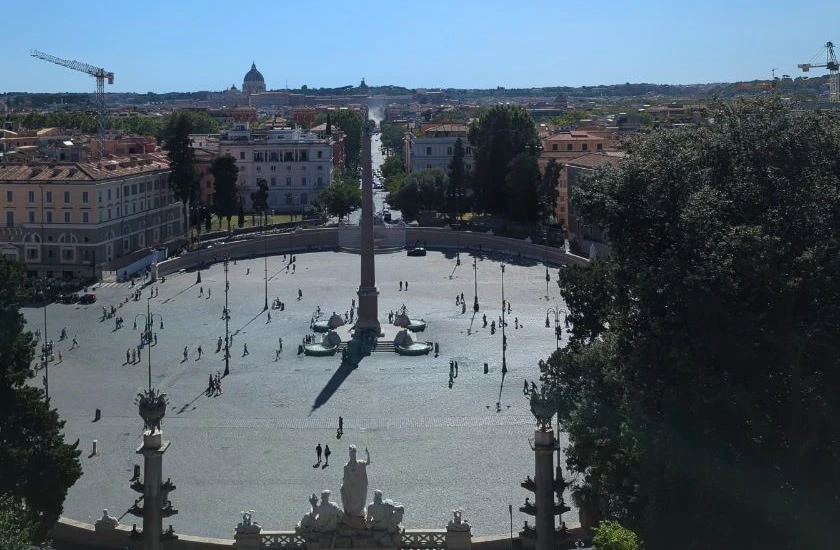
Ninety minutes can also stay on the Spanish Steps side of the city. Add Via Margutta, continue towards the Pincio area and finish with greenery or a view if everybody enjoys walking and a change in level. The open-source route from the Steps to the Pincio terrace is roughly 850 metres before portrait stops, so it belongs to an active session rather than a casual extra.
Some providers fit Trevi, the Spanish Steps and the Colosseum into 90 minutes with a taxi transfer. That route can suit you when three famous backgrounds matter more than a relaxed pace. For most couples and families, two strong icons leave more room for connection, small delays and the photographs between the landmarks.
Choose 30 minutes for one polished chapter, 60 for one landmark and a second mood, and 90 for a fuller walk or two icons. More minutes should give you more breathing room, not simply more pins on a map. Our guide to Rome photoshoot durations compares those choices with other compact Rome routes.
Build the route around the people in it
For couples, let the staircase create the direction. Walk a few steps apart, turn towards each other and meet on a landing. Use the difference in height for a hand reach or a quick pull closer. The route gives you something to do, so the photographs feel less like posing and more like moving through Rome together.
A street extension works especially well when you want the gallery to grow more personal. The monument provides the hero frame. The quieter lane gives you space for close portraits, a private joke and the little gestures that would disappear inside a wide architectural view.
For families, take the rare group portrait early. Once everybody arrives, photograph the full family while attention is fresh. Then break the session into smaller relationships and movement. Grandparents can stay near one strong base-level background while children, parents and family branches rotate around them. Our multi-generational Rome photoshoot guide helps you organise those smaller groups around one comfortable base.
Children rarely need a long staircase programme. Give them one small mission, such as finding the boat fountain, walking three steps ahead or leading the family towards the next street. The moment the session becomes a tiny adventure, expressions stop needing instructions.
For a pram or limited mobility, make the level route the plan from the start. Use Piazza di Spagna, Barcaccia from the paving, the rising staircase as background, Piazza Mignanelli and Via dei Condotti. You can create broad, close and walking photographs without measuring the success of the session by how far anybody climbs.
That's not the reduced version of the Spanish Steps. It's a different route through the same visual world.
For solo portraits, travel light and let the scale change. Begin with one wide frame, move into a side curve for a closer portrait and finish in a street or upper-view setting. A small bag is much easier to hand off than a daypack, and free hands give you more natural movement.
For a proposal, decide how public you want the moment to feel. Morning usually gives more breathing room and cleaner sightlines. Later hours can bring an audience, energy and applause. Both can be wonderful, but they're emotionally different. Share your preference before the route and cue are chosen.
The detailed proposal position, photographer hiding point and post-yes movement deserve a separate plan. What this location guide can tell you is that the Spanish Steps make a recognisable, public celebration. If you dream of complete privacy, another Rome setting may fit the feeling better. Compare our Rome proposal locations before committing to that public setting.
The route can stay monumental, playful or level depending on who is joining and how they like to move.
Spring flowers change the whole visual world
In 2026, Roma Capitale announced the display on 16 April, said it would continue into the first weeks of May and placed more than 200 plants on the Steps. That's a verified example, not a permanent calendar. Check the current Roma Capitale azalea notice for your year before planning the whole session around the bloom.
When the flowers are present, the side curves become even more valuable. They let the bands of white, lilac and green frame you without asking for one busy, front-facing photograph of the entire display. A simple standing portrait can hold the flowers, stone and your expressions in the same frame.
The spring display also attracts extra attention, so the same flexible timing rule applies. Begin early for wider flower views, then use the turns and closer sections as the square wakes up. Keep every pose clear of the plants and let Rome's gardeners do the decorating.
If your dates fall outside the flower window, the Steps return to their pale stone palette. That cleaner version is just as recognisable and often easier to pair with nearby ochre streets.
When the azaleas are present, pale stone, white and lilac flowers create a softer Spanish Steps portrait.
Finish while Rome is still waking
After the final frame, walk into the nearby streets for coffee and breakfast. The square is fully awake by then, your camera face has disappeared and the whole morning can settle into the trip. You'll remember Barcaccia, the climb or the little street between landmarks, but you may remember the first cappuccino afterwards just as clearly.
That's the lovely thing about a compact route. The photoshoot doesn't take over the day. It gives the day an opening scene.
Coffee after the last frame is part of the route. We'll defend this position.
Plan Your Spanish Steps Photoshoot
Share your date, who is joining, how much walking feels good and whether you want one landmark, nearby streets or a two-icon Rome route.
Plan your Rome photoshoot around your story
Share your date, who's coming, how much walking feels good and which story you love most. Then plan your Rome photoshoot and let Piazza di Spagna do what it does best: bring plenty of Rome without asking you to rush through all of it.
Spanish Steps Photoshoot FAQ
Quick answers about timing, monument rules, session length, Trevi, children, prams, azaleas and permissions.
Early morning is usually best for softer light, more room and broad staircase views. The exact meeting time should follow sunrise, season and current conditions. A later session can still look beautiful when you want closer portraits, city movement and a lively public atmosphere.
No. Sitting or lying on the protected staircase is prohibited. Use standing, walking, turning and the changing levels for natural portraits. Keep your poses on the paving around Barcaccia rather than climbing or leaning on the fountain.
Yes. Thirty minutes can cover Barcaccia, one broad staircase frame, one or two side curves and an upper or nearby-square finish, depending on your pace. It works best when the Spanish Steps are the clear hero and everybody arrives ready to begin.
Yes. The two landmarks are roughly 650 metres apart, around nine minutes of pure walking before photo stops. Ninety minutes gives the route room for both icons and the streets between them. Sixty minutes can work at a brisker pace, but it gives you less time to wait or slow down.
Yes, when the route is built around them. Begin with the family portrait, keep the staircase chapter short and use the square or nearby level streets for movement. With a pram, Piazza di Spagna, Barcaccia in the background, Piazza Mignanelli and Via dei Condotti can create a complete gallery without a full climb.
No. The staircase can remain a strong rising background from Piazza di Spagna. A level route around the fountain area and nearby streets still looks unmistakably like the Spanish Steps. Add a few lower steps only when they suit your group.
They usually appear in a spring window around mid-April into early May, but the dates vary each year. Roma Capitale's 2026 display began on 16 April and continued into the first weeks of May. Check the current year's official notice before choosing a session around the flowers.
It depends on the setup. Your photographer should check the current local requirement for a small personal portrait session. Larger commercial productions, unusual equipment, tripods, lighting, blocked access or filming may need separate authorisation. Keep the plan light and confirm the exact requirement before the day.


Our Rome Shoots:
Book your Rome Photographer!
Start BookingWhat to Wear for a Rome Photoshoot: An Outfit That Moves With You
Villa Borghese Family Photoshoot Guide: Toddlers, Lake and a Pincio Finish
Trevi Fountain Photoshoot Guide: Sunrise, Crowds and the Pantheon Route
Trastevere Photoshoot Guide: Streets, Colour and Quiet Corners
Sunrise or Sunset for a Rome Photoshoot?
Rome at Sunrise: A Portrait Photoshoot Route Through the Icons
ENJOY $20 OFF
Your first photoshoot when you become an email subscriber.
Related Articles
What to Wear for a Rome Photoshoot: An Outfit That Moves With You
Choose a Rome photoshoot outfit that feels like you, reads clearly beside the city and moves comfortably through cobbles, seasons and the real route.
Villa Borghese Family Photoshoot Guide: Toddlers, Lake and a Pincio Finish
A relaxed Villa Borghese family photoshoot with toddler-friendly space, a calm lake chapter and Rome spreading out below you from Pincio.
Trevi Fountain Photoshoot Guide: Sunrise, Crowds and the Pantheon Route
Plan a Trevi Fountain photoshoot with clear advice on sunrise, crowds, access and the beautiful walking route to the Pantheon.