
Table of Contents
Two Beautiful Romes, One Better Fit for You
Both are beautiful. Your best match depends on whether you picture grand landmarks with more breathing room or a lively, romantic evening in the city.
Sunrise or Sunset for a Rome Photoshoot? The Short Answer
Choose sunset if you are dreaming of a glowing skyline, warm neighbourhood streets or Rome buzzing gently around you. Pincio, Trastevere, a terrace or a Colosseum session flowing into blue hour can all work beautifully. Afterwards, you can wander straight into aperitivo or dinner.
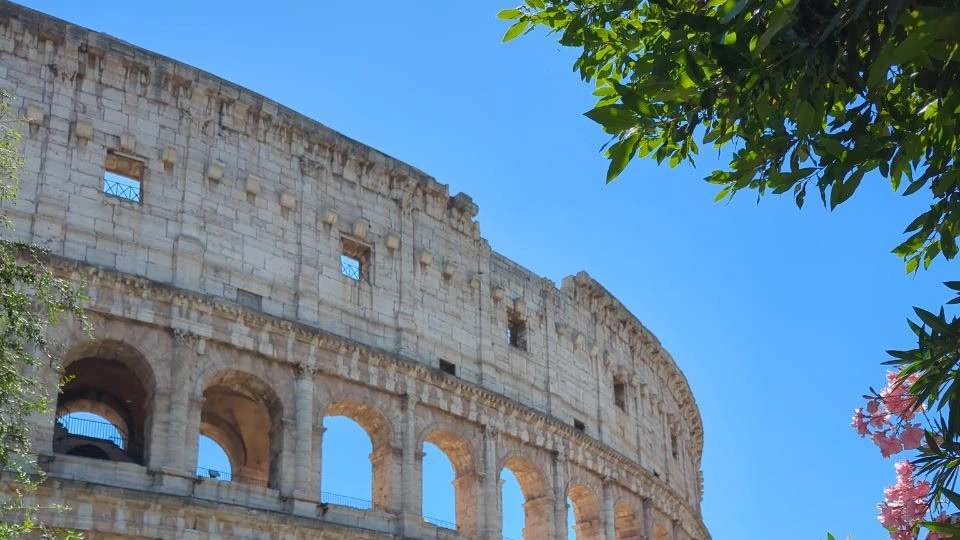
The Colosseum suits both. Sunrise feels softer and calmer, while sunset brings warmer stone, more city energy and the option of staying until the monument lights appear.
Still torn? Pick the photograph you would be most disappointed to miss. A wide Trevi scene points to sunrise, while a golden Pincio skyline points to sunset.
Choose Sunrise When Rome's Icons Need Room
Pre-sunrise blue hour is especially lovely here. The sky is cool, the fountain lights are warm and the water is already moving. As daylight grows, nearby lanes add pale stone, shutters and soft reflected light before you continue towards another setting.
This changing light makes sunrise feel like a little story rather than one quick golden moment. A compact session might connect Trevi, the Spanish Steps and Pincio, while a longer one can unfold more slowly through the surrounding streets. Your photographer can shape the route around your date, priorities and available time.
The exact start changes throughout the year, from around 05:15 in high summer to 07:15 in midwinter. Once you include getting ready and reaching the meeting point, a June morning requires commitment, while a winter sunrise can feel surprisingly civilised.
Rome won't be completely empty. Cleaners, deliveries, commuters, runners and other early shoots may still be around. The advantage is a better chance of space and an unobstructed moment, not private access.
Trevi also has an access detail to keep in mind. Under Trevi Fountain's current access rules, controlled access closest to the basin begins at 09:00 for tourists and non-residents. Early portraits from the public square and later access near the basin are separate parts of the experience, so your photographer will confirm the best meeting plan for your date. Our Trevi Fountain photoshoot guide explains the positions and connected street route around those access limits.
Then comes the reward: cappuccino and cornetti, a full day still ahead and the happy realisation that you have already made one of your favourite Rome memories.
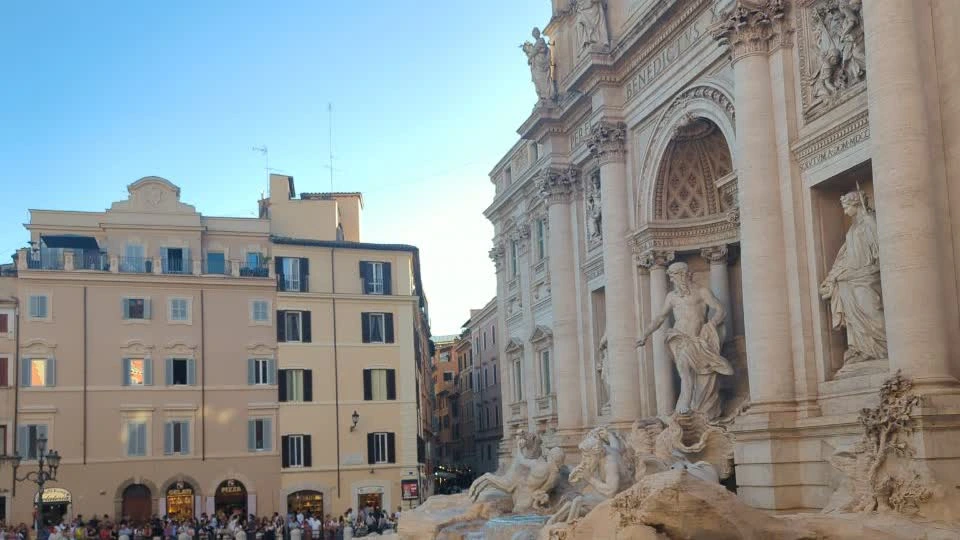
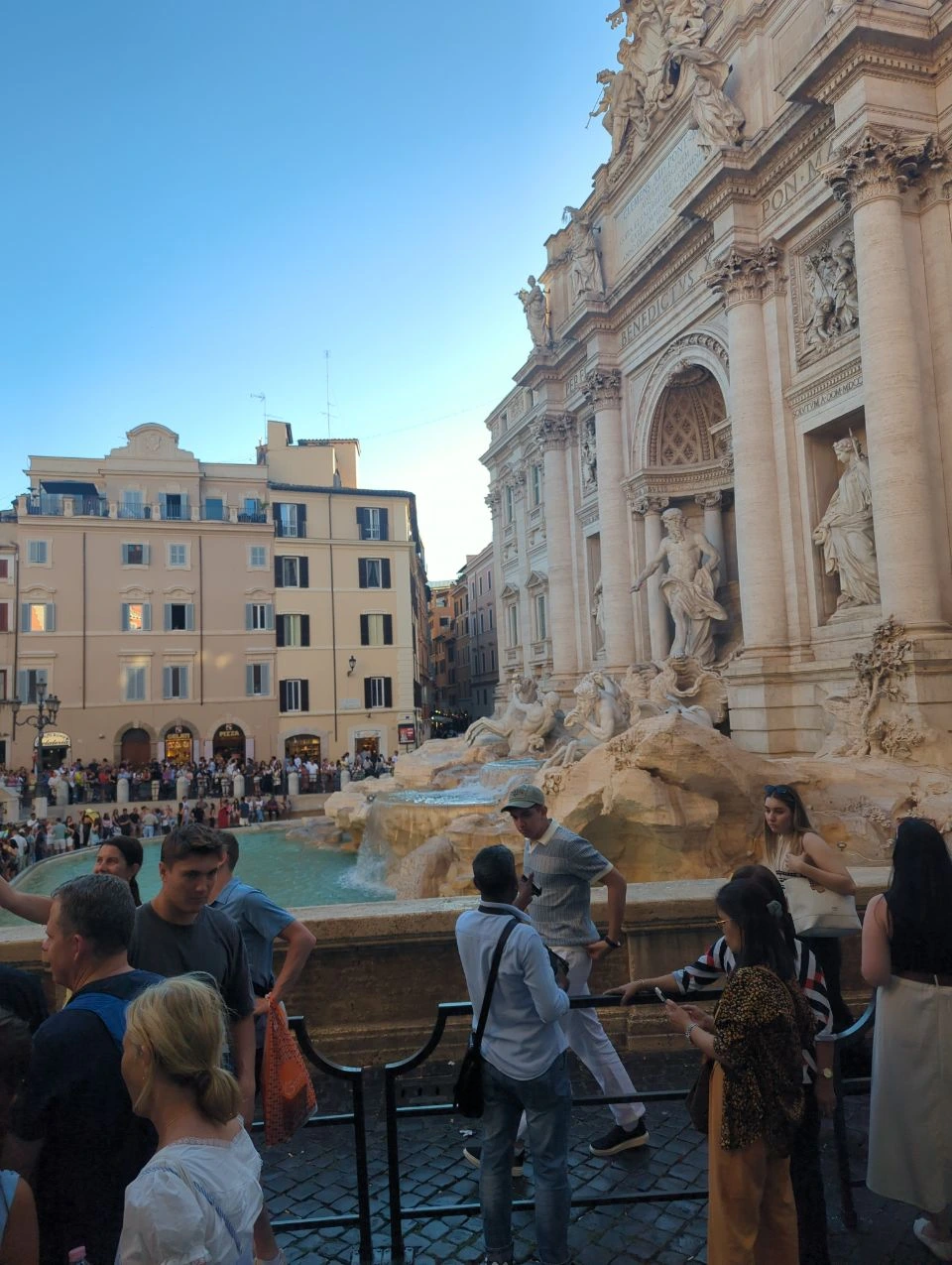
Trevi Fountain and its surrounding buildings show the setting and crowds to consider when planning your shoot.
Choose Sunset for Skylines and Roman Energy
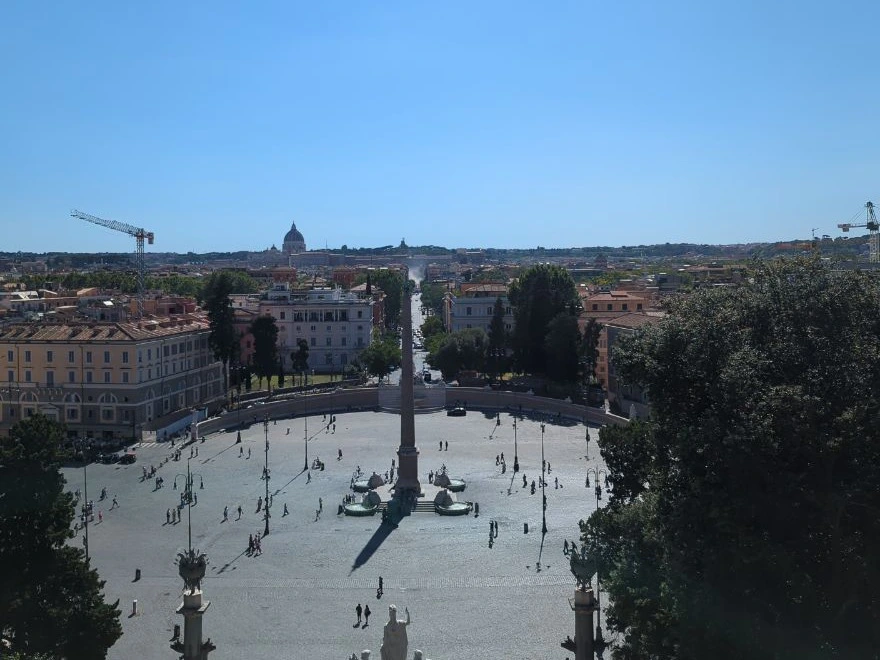
Pincio is the clearest example. The terrace faces west across Piazza del Popolo towards Rome's domes, and the official Rome guide highlights the view in the late afternoon and around sunset. You can begin among Villa Borghese's paths or nearby streets, then reach the panorama as the colour starts to build.
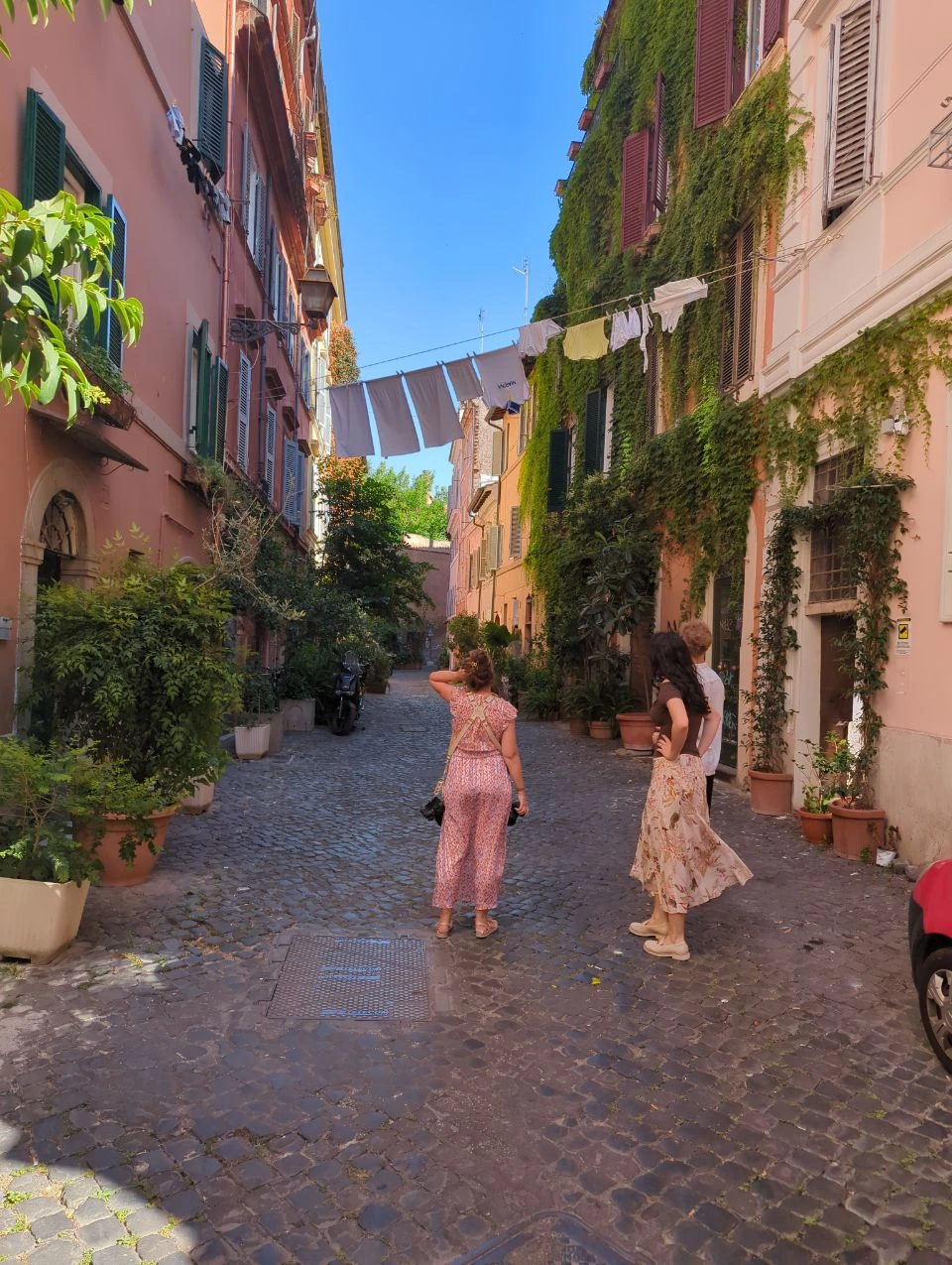
Trastevere brings a more playful kind of evening. Its ochre façades, cobbles, ivy, bars and little piazzas glow late in the day. A waiter crossing the square, friends chatting at an outdoor table or a scooter disappearing down a lane can make the photographs feel unmistakably Roman. It becomes less like posing beside a landmark and more like enjoying a date in the city. Our Trastevere photoshoot guide helps you shape that street-led version of the evening.
A terrace can tell the same story at an easier pace. One skyline, changing light and the two of you may be all you need.
The Colosseum also works beautifully in the evening. You can create variety without racing between landmarks by changing your distance, angle and movement as the stone warms and the light softens.
Stay a little longer and sunset slips into blue hour. At Castel Sant'Angelo, the illuminated monument, bridge and river can sit against a deep cobalt sky. The mood naturally becomes slower and more intimate, even with the city still moving nearby.
Timing matters most when a particular view is your priority. Reach Pincio before the best colour rather than spending it in a taxi. If a garden is part of the plan, its closing time may affect when the session begins, so your photographer will check the current hours for your date.
Sunset is not simply the easier alternative to an early alarm. It tells a richer story whenever skyline views, neighbourhood character and the rhythm of a Roman evening matter most.
Match the Light to Your Favourite Rome Landmark
Trevi Fountain and the Spanish Steps. Sunrise is the strongest choice for wide, architecture-led photographs. Begin at the compact Trevi piazza, then continue through the lanes as the city wakes. Sunset can still work for closer portraits and glowing fountain lights, but the atmosphere will be busier.
The Colosseum. Sunrise gives you softer, calmer frames. Sunset brings warmer stone and can continue naturally into blue hour. Since both look beautiful, choose the mood you prefer.
Pincio and Villa Borghese. Sunset wins when the western skyline is the main attraction. A route through the park can finish at the panorama as the colour changes. Sunrise may suit families, hot summer dates or anyone who prefers soft park scenes. Villa Borghese is listed from dawn to dusk, so confirm the current access plan.
Trastevere. Late afternoon and evening bring out the neighbourhood's character. Warm façades, short walking distances and everyday street life create plenty of variety without a transfer. Sunrise is quieter, but it misses some of Trastevere's natural buzz.
Castel Sant'Angelo and the Orange Garden. Castel Sant'Angelo is gorgeous around blue hour, when the bridge and monument lights meet a deeper sky. The Orange Garden suits sunset, although its current closing time needs to shape the schedule. Treat either as a planned finale rather than a last-minute extra.
Personal meaning can overrule every technical recommendation. If you became engaged at Trevi at sunset, returning at the same hour may matter far more than finding a quieter composition at dawn.
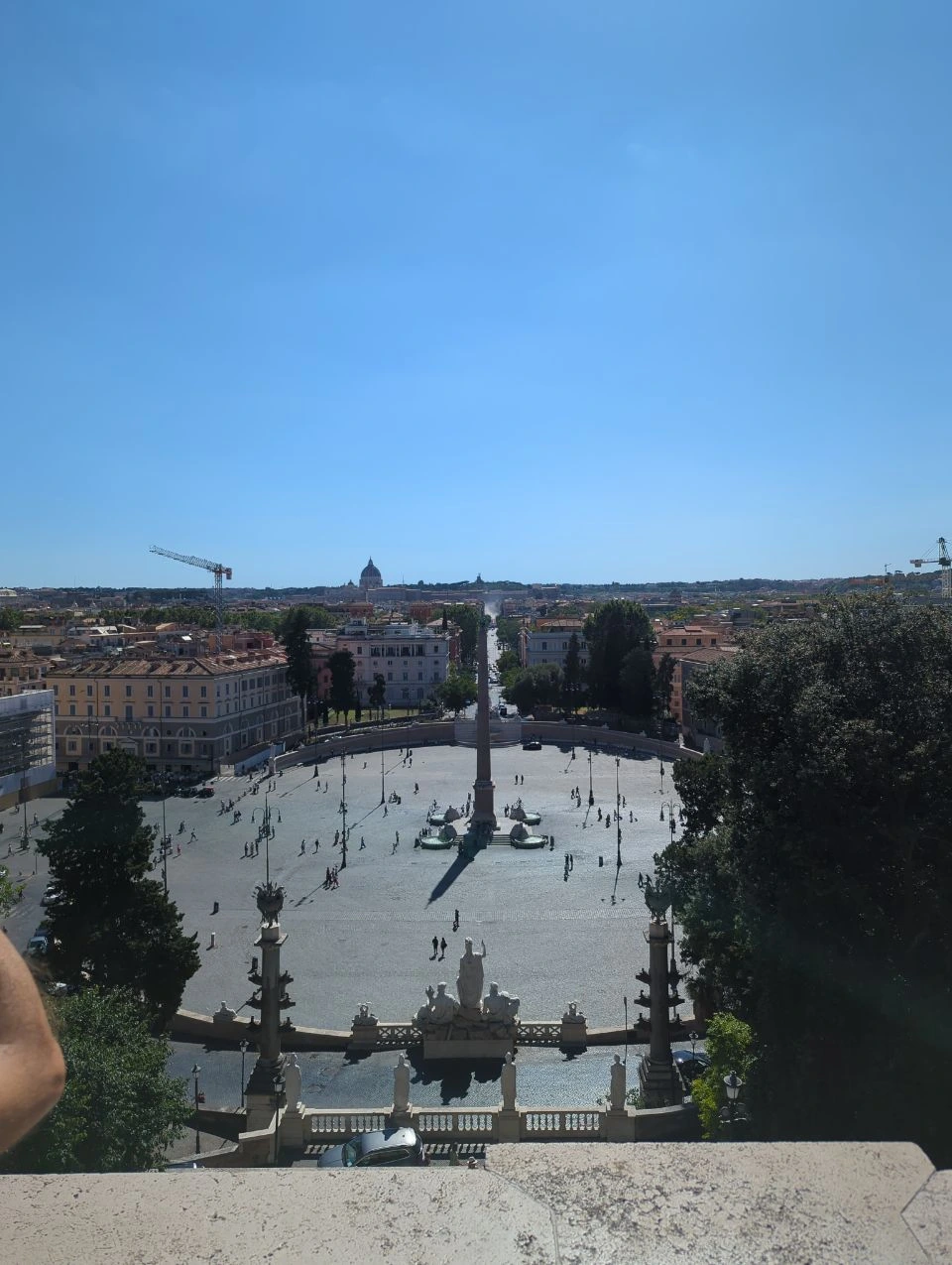
Piazza del Popolo and the Rome skyline seen from the Pincio terrace.
Choose a Time When You Will Feel Like Yourselves
Some travellers genuinely love an early start. They enjoy the cool air, quiet streets and thrill of seeing Rome wake up. For them, sunrise feels like part of the adventure.
If a 04:30 alarm would leave you both counting the minutes until coffee, choose sunset and enjoy the experience properly. Relaxed expressions and easy laughter will always matter more than forcing a technically perfect schedule.
Your date makes a big difference. Summer brings the earliest sunrise and latest sunset, while winter brings a later morning start and an earlier evening session. That is why your ideal meeting time should be chosen for the actual day rather than copied from a general timetable.
Look at the rest of your holiday as well. Sunrise may call for an earlier dinner and bedtime the night before. Sunset may overlap with a restaurant booking or evening tour. The session should fit naturally into the trip, not compete with it.
With children, choose the window when they are normally rested and sociable. An early riser may be brilliant at sunrise, while another child may be happiest after breakfast, a relaxed day and a nap. Adults are not so different, even if we are less willing to admit it. Our Rome family photoshoot guide helps you match that window to a manageable route and pauses.
In Summer, Cooler Light Can Make All the Difference
This is when sunrise becomes especially appealing. You can walk, pose and explore before exposed stone and open squares become intense, which is particularly helpful for families or anyone wearing formal clothing.
Sunset avoids the strongest midday sun, but evenings can still feel hot. Stone holds warmth, narrow streets may feel still and the temperature can remain high until late. A compact route, water and clothing chosen for the latest forecast will make the experience much easier.
Spring and autumn offer more flexibility. Rome's official guidance describes them as mild, so your favourite landmark can lead the decision. In winter, sunrise arrives later and sunset can fit neatly into an afternoon plan.
Check the forecast close to your date rather than relying only on seasonal averages. Cloud may soften the light instead of producing a colourful sky, but Rome's architecture and your connection will still give the photographs plenty of magic.
What Kind of Quiet Would Help You Relax?
Sunrise is most helpful when you need room at a compact landmark. Rome will still have residents, workers and other visitors around, but your photographer has a better chance to step back and wait for a clean moment.
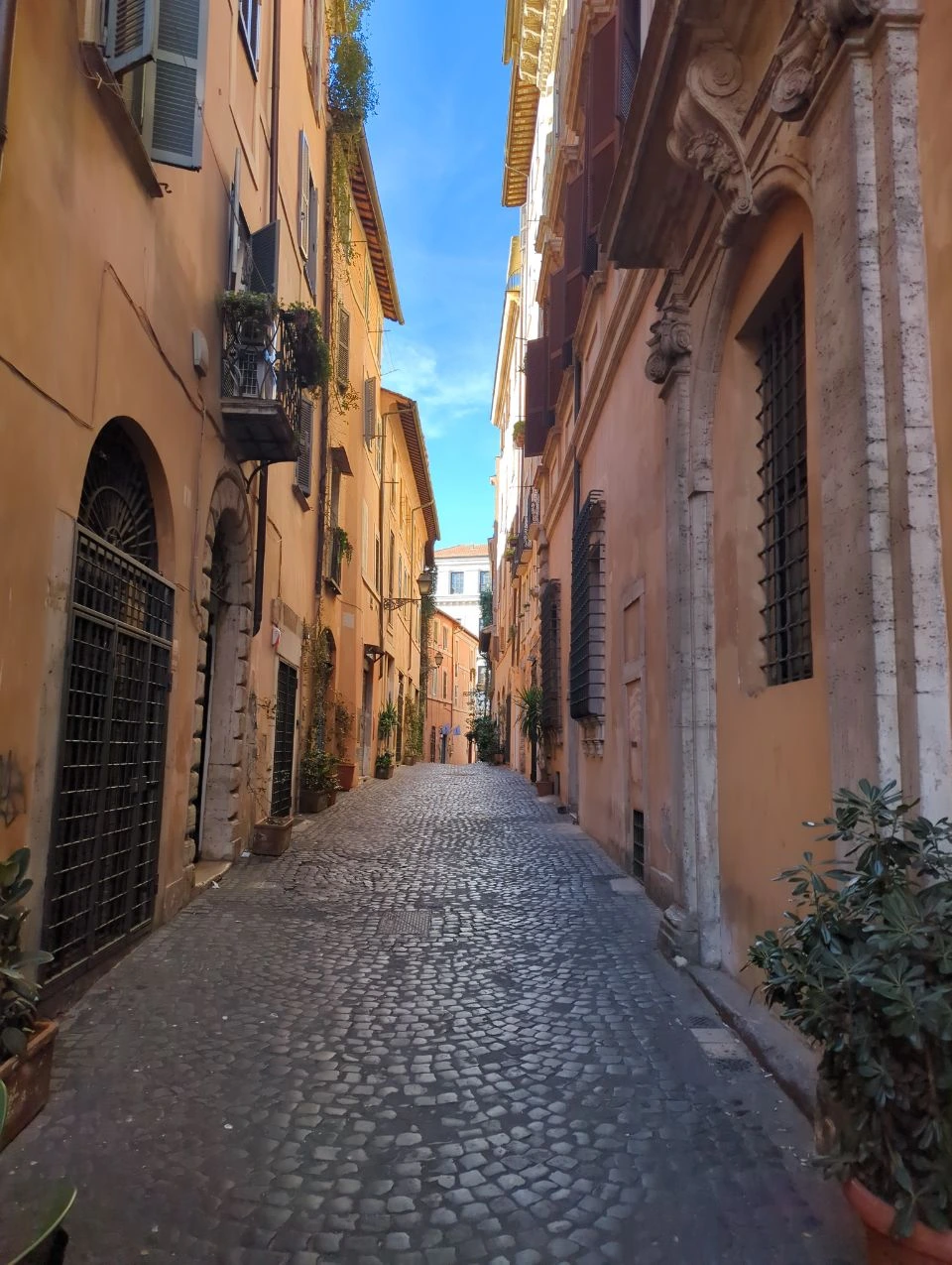
If being watched is the bigger concern, the setting matters as much as the hour. Walking together through a Trastevere lane can feel more natural than standing still in a large square. Your photographer can begin with movement, conversation and easy prompts so you settle in before any direct portraits. Compare our quieter Rome portrait settings when the space around you matters more than an empty landmark.
At sunset, people can become part of the atmosphere rather than a distraction. Careful angles and timing keep you at the centre while the city adds movement and life around you.
Knowing which kind of quiet you need makes the choice much easier: a cleaner background, more privacy or simply enough space to move comfortably.
Plan the Route Around the Best Final Light
At sunset, the final light shapes the route. If Pincio's western skyline is your main priority, the earlier photographs will stay close enough to reach it without stress. If Castel Sant'Angelo at blue hour is the finale, the session can remain on the same side of the centre.
This is why a compact route often creates a better experience than a race through famous landmarks. A three-hour evening can connect the Colosseum, Trevi, the Spanish Steps, Pincio and Via Margutta with car service, but that doesn't make five distant stops the right choice for every session.
Traffic can steal the best light, gardens can close and too many transfers can turn a romantic walk into a logistics exercise. One well-planned area can still give you wide scenes, close portraits, movement, architecture and a memorable final view. Compare Rome photoshoot durations to choose how much of that one area fits your own booking.
Share your date and preferred setting, and Travaya's local photographer will confirm access, set the exact meeting point and prepare a nearby alternative for unexpected weather or closures. You only need comfortable shoes for the walk, or a spare pair for transfers. Once the session begins, everything should feel wonderfully simple.
Make Room for Blue Hour
Before sunrise, the cool sky and remaining city lights create a quiet sense of anticipation. At Trevi, the scene can move from an illuminated fountain to soft morning architecture as the natural light grows.
After sunset, the mood shifts the other way. The sky deepens, monument lights become stronger and the photographs often feel slower and more intimate. Castel Sant'Angelo, its bridge and the surrounding river views are especially striking during this transition. Our Rome evening couple photoshoot guide explains how to work backwards from the illuminated finale.
Lower light naturally suits still portraits, gentle steps and holding each other close. If that sounds like your dream ending, tell your photographer so they can schedule the session to include it. If you prefer bright movement and wide architecture throughout, keep most of the session in natural light and enjoy the city lights as a short finale.
Ready to Find Your Perfect Rome Light?
Rome Photoshoot FAQ: Sunrise or Sunset?
Quick answers about early starts, warm light, Rome landmarks, children, blue hour and cloudy skies.
Usually, especially at busy central landmarks, but Rome is never completely empty. The main benefit is having more room and easier timing for wide photographs.
It can begin around 05:15 in high summer, particularly if you want blue hour. The exact meeting time depends on your date and first location.
No. A west-facing open view can catch warm light while a shaded lane stays cooler. The direction and shape of the location matter as much as the time.
Yes. Sunset suits closer portraits, glowing fountain lights and a lively city atmosphere. Choose sunrise if a wide view of Trevi's architecture is essential.
Both are beautiful. Sunrise feels softer and calmer; sunset brings warmer stone and an easy transition into blue hour.
Choose the time when your child is normally rested and cheerful. Sunrise may suit an early riser, while late afternoon can work better after a relaxed day and a nap.
Yes. Morning blue hour grows gradually brighter, while evening blue hour brings deeper colour and glowing monument lights.
Cloud may hide a colourful sky, but it often creates soft, even portrait light. Rome's architecture and atmosphere will still carry the gallery.


Our Rome Shoots:
Book your Rome Photographer!
Start BookingWhat to Wear for a Rome Photoshoot: An Outfit That Moves With You
Villa Borghese Family Photoshoot Guide: Toddlers, Lake and a Pincio Finish
Trevi Fountain Photoshoot Guide: Sunrise, Crowds and the Pantheon Route
Trastevere Photoshoot Guide: Streets, Colour and Quiet Corners
Spanish Steps Photoshoot Guide: Choose Your Route, Light and Pace
Rome at Sunrise: A Portrait Photoshoot Route Through the Icons
ENJOY $20 OFF
Your first photoshoot when you become an email subscriber.
Related Articles
What to Wear for a Rome Photoshoot: An Outfit That Moves With You
Choose a Rome photoshoot outfit that feels like you, reads clearly beside the city and moves comfortably through cobbles, seasons and the real route.
Villa Borghese Family Photoshoot Guide: Toddlers, Lake and a Pincio Finish
A relaxed Villa Borghese family photoshoot with toddler-friendly space, a calm lake chapter and Rome spreading out below you from Pincio.
Trevi Fountain Photoshoot Guide: Sunrise, Crowds and the Pantheon Route
Plan a Trevi Fountain photoshoot with clear advice on sunrise, crowds, access and the beautiful walking route to the Pantheon.