
Table of Contents
Rome Does Not Require a Costume
Here is the good news: Rome doesn't require a costume.
Choose the mood you want first. Build one small palette around it, put on the complete look and make sure you can walk, turn, sit and hug without adjusting something every few seconds. Then plan your shoes for the actual route, not only the first photograph. Soft neutrals are easy in Rome, but they are not compulsory. A strong colour, black, trainers, tailored trousers, a flowing dress or a favourite coat can all look wonderful when the choice feels intentional and still feels like you.
The best outfit is the one you can forget about once the session begins. You should be looking at the Colosseum, laughing with your children or pulling your partner closer, not wondering whether a strap has moved again.
Start with the outfit you can forget about
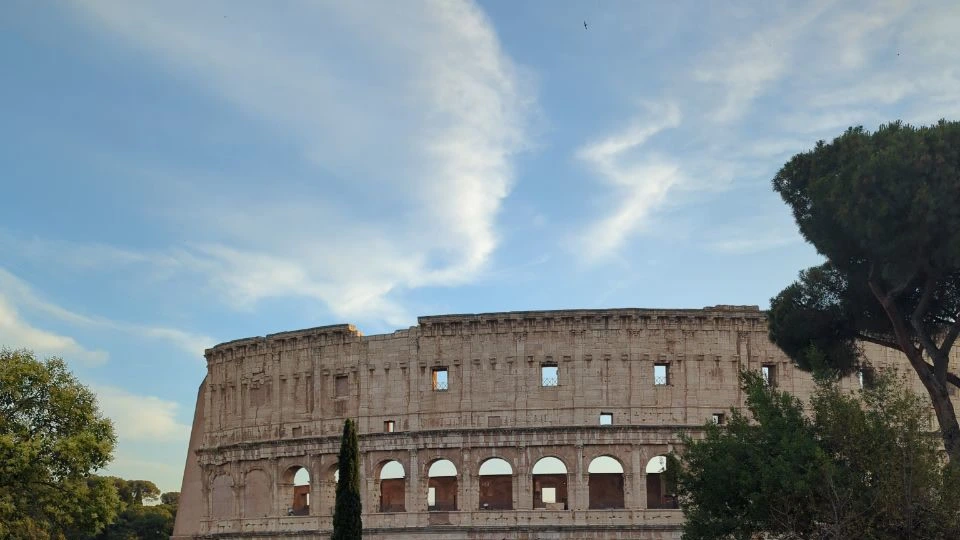
Perhaps you want relaxed and playful, as if somebody happened to follow you through Trastevere on a very good morning. You might prefer polished and romantic, with a strong silhouette beside the Colosseum. A family may want soft colours, comfortable layers and plenty of freedom for children to move. A solo session can carry more fashion energy, while a maternity shoot may feel best when comfort, shape and gentle movement lead every decision.
None of those moods is more “Roman” than the others. Rome can hold them all.
A useful outfit does three jobs at the same time. First, it looks recognisably like you. Second, it has a clear visual relationship with the setting, so your face and connection don't get lost against detailed streets and monumental architecture. Third, it can handle the route, including cobbles, a little walking, changing shade and whatever the weather is doing that day.
That third job is easy to miss when you're standing still in front of a mirror. A neckline can feel fine until you lean towards your child. A jacket can look excellent but become far too warm after ten minutes. A long hem may float beautifully in an open square and then ask for both hands on a set of steps. None of this means the outfit is wrong. It simply tells you what needs adjusting before Rome joins the picture.
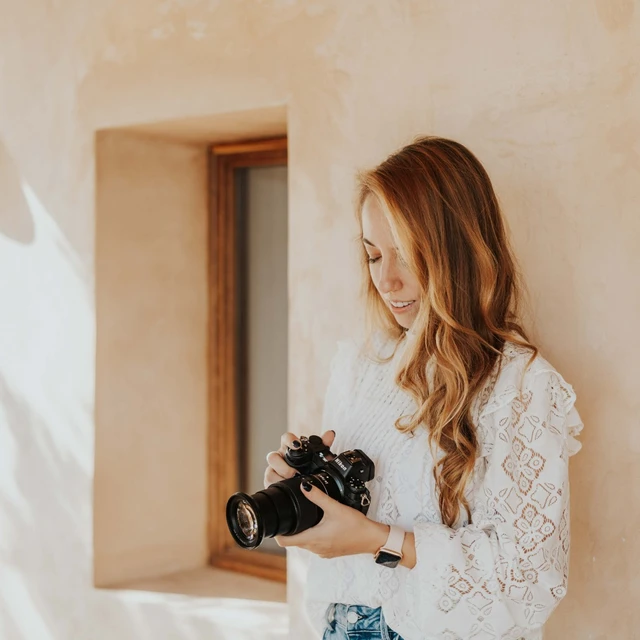
Think of your clothes as part of the experience rather than a performance for the camera. If you can walk through the city, hold hands, sit for a portrait and laugh without protecting the outfit, the photographs have a much better chance of feeling like your day.
Choose colours for Rome, not a beige rule
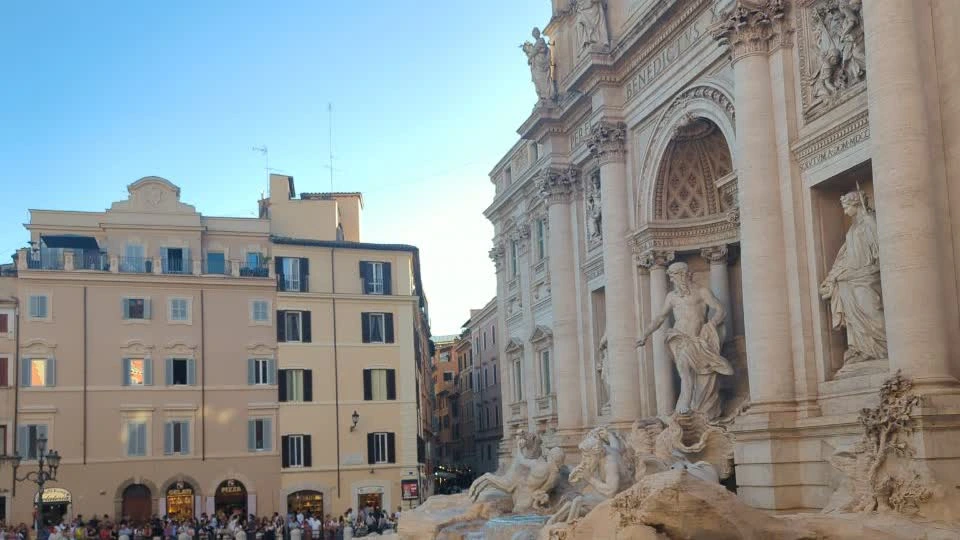
This is why cream, camel, olive, dusty blue, rust and muted pink often feel easy here. They sit naturally beside the city without demanding all the attention. Easy does not mean mandatory.
If red makes you feel brilliant, let red lead. Burgundy can look rich against travertine. Deep blue or green can create a clean separation from warm walls. Black can feel graphic and elegant, especially when the fabric has texture and the cut gives it a visible shape. White can look fresh and strong when the material keeps its detail. Rome does not confiscate your personality at the city gate.
The most useful rule is visual hierarchy. When someone opens the gallery, you want them to notice faces, gestures and relationships before they notice a logo or several prints competing with one another. One small pattern can be lovely. Three strong patterns in a family group may start a conversation that nobody's expressions can interrupt. A fluorescent top can become the brightest object in every frame, while one deliberate bold colour surrounded by calmer pieces can feel confident and beautifully simple.
For one person, choose two or three colours that already live happily in your wardrobe. For a couple or family, photograph all the clothes together in daylight. The phone picture will tell you quickly whether one piece is much louder, cooler, warmer or more formal than everything around it.
Do not keep editing once the colours feel connected. A scarf does not need to match a shoelace, and every shade of blue does not have to be identical. You are creating a family resemblance between the clothes, not a paint chart.
Let fabric and fit carry the movement
Linen and cotton are especially useful in warmer weather because they can feel light and breathable. Silk, chiffon and soft blends can create a lovely fold or lift in motion. A long skirt or dress can turn a simple step into a cinematic frame. An open shirt, wide trouser, unbuttoned coat or soft scarf can do the same thing in a completely different style.
A flowing dress is one beautiful visual world. It is not the uniform for being photographed in Rome.
Well-cut trousers and a shirt can feel modern beside ancient stone. A relaxed suit can give you shape without making the session formal. A midi skirt, textured knit or favourite jacket can bring more of your actual style into the frame than a dramatic outfit you would never choose anywhere else. In winter, a coat may be the main look rather than something you keep removing between portraits.
Fit matters because the camera sees how clothing affects your body language. If a waistband makes you hold your breath, a sleeve restricts your arms or a hem needs rescuing every time you move, part of your attention stays with the clothes. A small alteration, a different underlayer or another version of the same silhouette can give that attention back to you.
Choose underwear that works with the fabric and neckline, check the look from the back and make sure pockets lie the way you expect. If you plan to carry a phone, key card or ring box, see what happens to the silhouette. A beautifully tailored trouser can change completely when one pocket is doing all the work.
You do not need to look natural while wearing something uncomfortable. You need clothes that allow natural things to happen.
Plan shoes for the streets, not only the frame
Your shoe plan can be very simple.
One option is to wear a single supportive pair that belongs with the whole look. Clean trainers, loafers, ankle boots, smart flats, cushioned sandals or a stable block heel can all feel polished when their colour and shape make sense with the clothes. Trainers do not automatically make a portrait casual. Scuffed running shoes chosen only because they were nearest to the door might. Intentional is the difference.
The other option is a swap. Walk between settings in the pair that keeps your step light, then change into dressier shoes for a few portraits on level ground. This works especially well when the special pair matters to the overall look but does not deserve an hour-long argument with the cobbles.
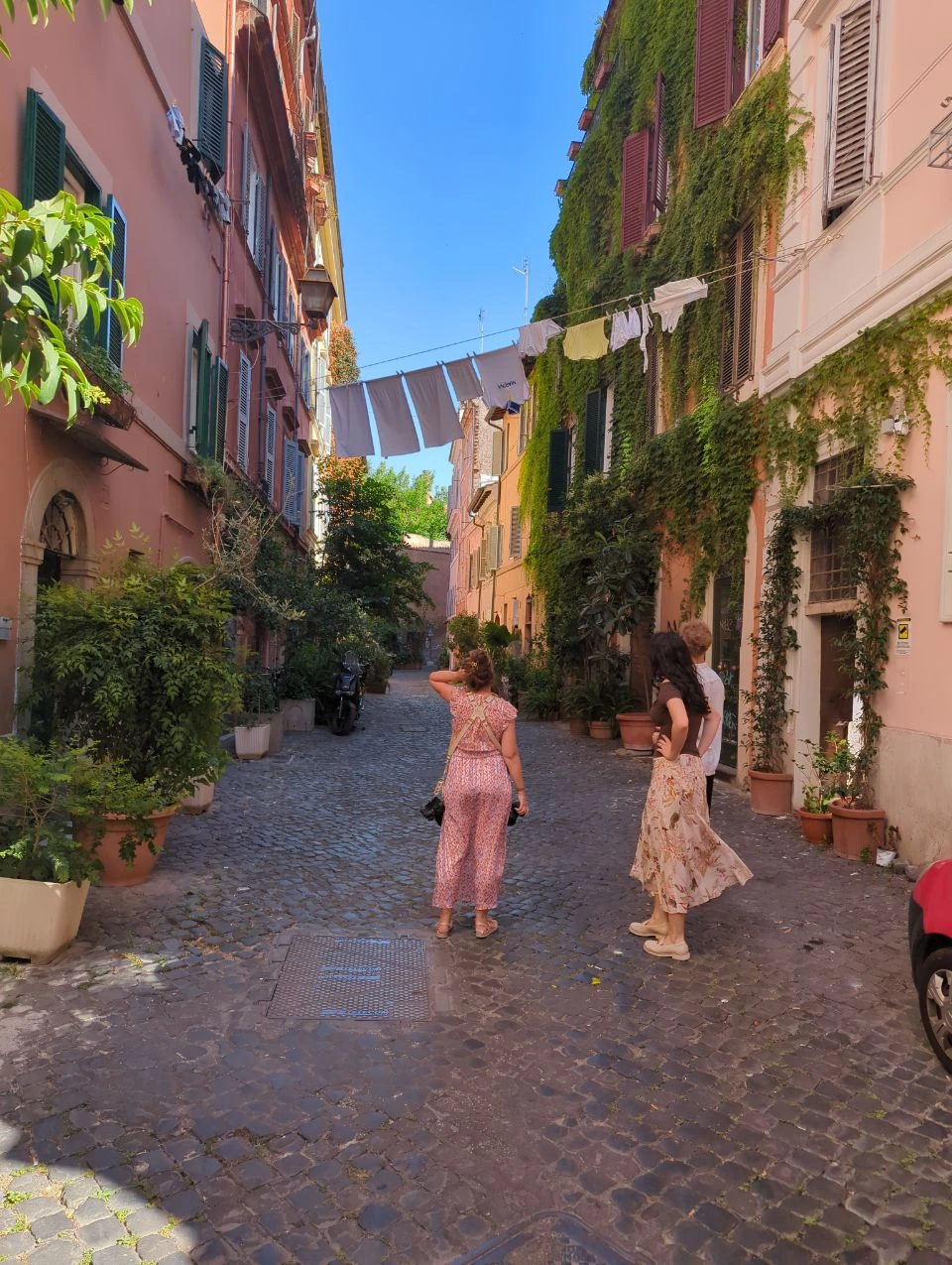
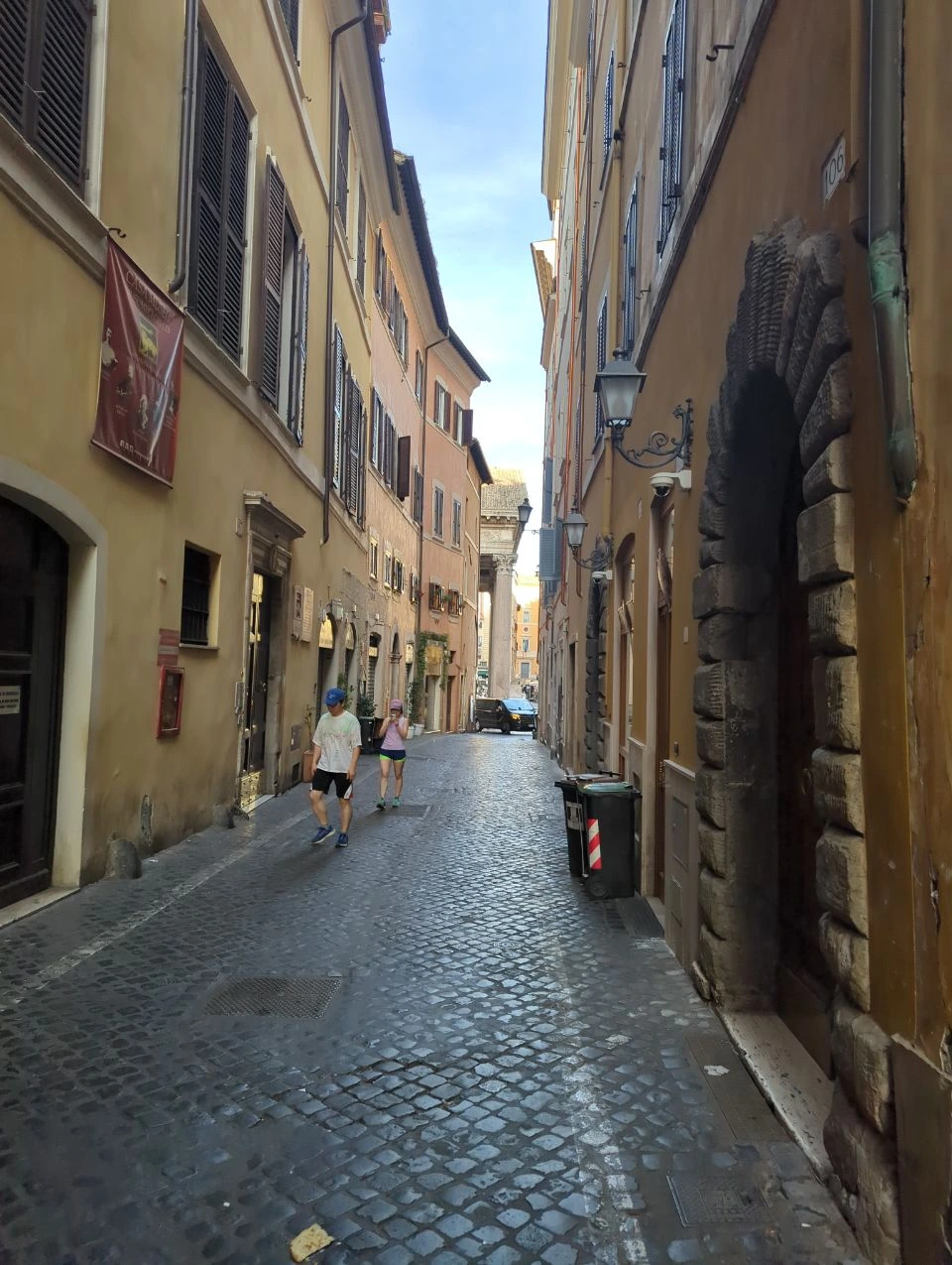
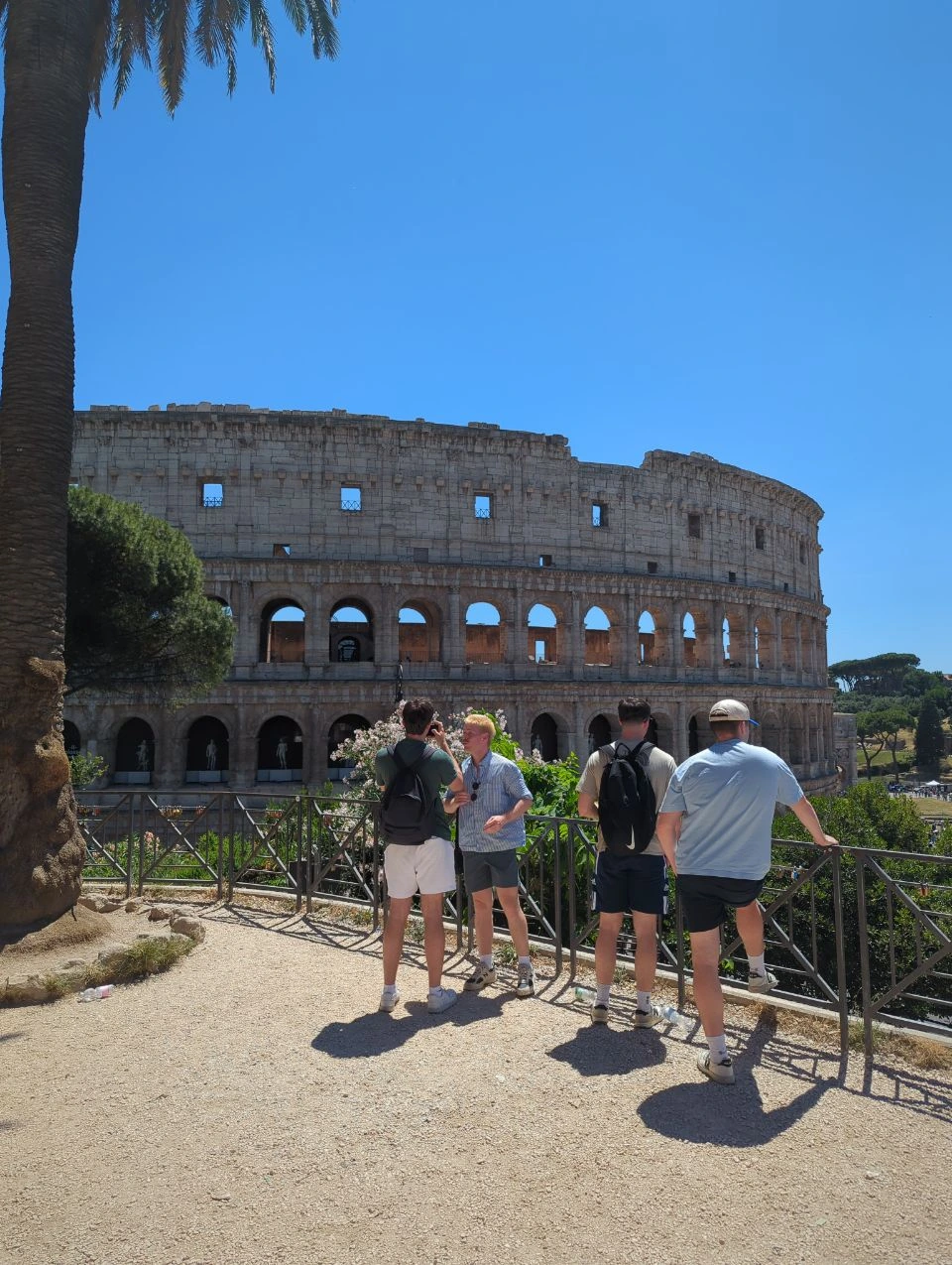
Let the route decide. A short session based around one level viewpoint asks less from a shoe than a walk from the Pantheon to Piazza Navona. Pincio and some park routes can add slopes or steps. Around the Colosseum, a quiet cobbled street may be exactly where the photographer wants you to walk towards the camera.
Try both pairs with the complete outfit before travelling. Check trouser length, how a skirt falls and whether the spare shoes fit easily into a small bag. If the swap needs a second suitcase and a complicated change on a public pavement, the simpler pair may give you a much better morning.
The right shoes are not the pair nobody can see. They are the pair that lets your walk look like your walk.
Coordinate couple and family outfits without matching
Imagine one partner in a formal dark suit and the other in beach-day clothing. The individual pieces may both be lovely, but they are telling two stories. Bring the level of formality closer, then let each person keep their own silhouette. A linen shirt with tailored trousers can sit beautifully beside a midi dress. A relaxed jacket can connect with a knit, skirt or polished trainer without repeating the exact same shade.
Choose one outfit first, usually the piece with the strongest colour or pattern. Pull two or three shades from it and let the other person's clothes answer rather than copy. A belt, sock, scarf, shoe, small print or piece of jewellery can carry the echo. It should feel as if you dressed for the same plan, not opened a matching set.
Families can use the same approach on a larger scale. Start with one anchor piece, then add each person's outfit to the bed. Repeat colours lightly across the group and vary the textures. Cream can appear in a shirt, a cardigan and a child's shoe without putting everyone in the same top. One small floral print can introduce olive, rust and blue for the rest of the family to pick up.
Children need the freedom to remain children. Choose clothes that can handle running across a piazza, sitting on a low wall, being lifted and leaning into you. A scratchy collar or precious shoe that must stay spotless can become the most important person in the session, and it was not invited. Our guide to planning a Rome photoshoot with children carries that comfort-first approach into the route and timing.
A favourite comfort item can come along too. It may appear in only a few frames, but it can make the first minutes much easier. Once everyone feels safe and involved, the toy can pass to the person holding the bag.
The final family photograph should look harmonious, not managed. You want everyone to belong together and still look like themselves.
Adapt the same outfit logic to your session
For a couple or engagement shoot, think about closeness. Can you put your arms around each other without a stiff jacket, sharp accessory or delicate fabric getting in the way? Can you walk side by side without one person changing pace to protect their shoes? Similar formality helps, but connection matters more than creating two perfect individual looks.
For a family, build around the person with the least wardrobe patience. That may be a toddler, a teenager or the relative who has already made it clear that there will be no outfit change before breakfast. Give that person a comfortable, reliable base and coordinate everyone else around it. The family will look more relaxed because it actually is.
For maternity photographs, support and temperature deserve the first decision. A soft dress can show movement and shape, but so can a knit with an open coat, tailored trousers with a blouse or a long shirt over a simple base. Check the hem on steps, choose shoes for your comfortable walking pace and bring a layer that can stay in the photograph if the morning is cool. Our Rome maternity and babymoon photoshoot guide helps match those choices to a comfortable setting and pace.
For a solo session, one clear choice can carry the whole story. That might be a strong colour, a beautifully cut jacket, a hat you genuinely wear or a silhouette that makes you stand taller the moment it goes on. You do not need to coordinate with anybody else, so use that freedom without adding detail for detail's sake.
For a proposal, the clothes should still make sense for the plan your partner thinks you are following. A sudden leap from holiday-casual to red-carpet formal can become its own clue. Check that the ring box stays discreet and does not distort a pocket, then leave the rest of the choreography to the proposal plan. Use our Rome proposal planning guide to keep the setting and approach as natural as the outfit.
The best adaptation is usually small. You are not dressing for a category. You are dressing for the way you want to feel with the people joining you.
One layer can do more than a second outfit
One good layer often gives you the variety you actually want.
Add a blazer for cleaner structure beside grand architecture, then remove it for a softer street sequence. Wear a scarf for the first frames and tie it onto the bag later. Open an overshirt, roll a sleeve or let a coat hang from the shoulders for a few photographs before wearing it properly again. A shoe swap can change the formality of a full-length portrait without changing anything above the ankle.
This works because variety in a gallery comes from more than clothes. A wide portrait at the Colosseum, a close frame in shade and a walking photograph on cobbles already feel different. Your expression, distance from the camera, movement and background are doing much of the work.
One outfit is enough for a beautiful, complete session. If two distinct looks are genuinely part of the idea, plan the change with the photographer before the day. The available time, route and privacy determine whether it fits comfortably. A hurried change is not automatically more useful than another ten minutes of being present together. Compare Rome photoshoot durations before building a full change into the session.
Keep the carrying plan light. A small bag can hold the useful layer, dress shoes, a comb and the one lip product you might actually use. Decide who will hold it while you are in the frame. The session should not become a moving wardrobe department.
What to wear for a Rome photoshoot in every season
In summer, choose fabric that breathes and a silhouette that lets air move. Linen, cotton, an airy shirt, a soft dress, a skirt or wide trousers can all feel polished without holding too much heat. The coolest part of the day may still begin with a light layer, especially if you leave the hotel before the city has warmed. Keep the layer thin enough to fit into the bag once you no longer need it.
Spring and autumn are perfect for clothes that can change with the temperature. A cardigan, overshirt, light jacket or scarf can be visible in one part of the gallery and disappear in another. The morning may begin cool, an open piazza may warm quickly, and a shaded street can change the feeling again.
In winter, treat the coat as part of the design. Choose one you like buttoned, open and held over an arm. A textured knit, scarf or glove can bring colour and movement without asking you to pretend it is warmer than it is. Rome's coldest days are usually not severe by northern-European standards, but standing in a winter outfit designed only for an indoor mirror can still make a session feel long.
Rain does not remove Rome from the background. Wet sampietrini deepen in colour and reflect light beautifully. Wear shoes with grip and choose an outer layer or umbrella that belongs with the palette. A transparent or simple solid umbrella is easy to use in a few frames, while a coat with a good shape means you are not waiting for the weather to let you reveal the “real” outfit.
Check the forecast again close to the session. The best seasonal advice is the one you are willing to update.
Church routes need one extra layer, only if you go inside
If your day includes entering the Vatican Museums, Sistine Chapel, St Peter's Basilica or Vatican Gardens, the official Vatican visitor information requires appropriate clothing. Sleeveless or low-cut garments, shorts above the knee, miniskirts and hats are not permitted.
That is an entry rule. It does not automatically become the dress code for every outdoor photograph in a public square with a church in the background.
If your session stays outside, choose the look for your route, weather and comfort. If you plan to continue straight into a religious site afterwards, build the required coverage into the outfit or carry a light wrap, cardigan or overshirt. A longer skirt or trouser can make the transition simple without changing the visual mood.
Rules can vary by site and change over time, so check the official information for the exact interior you intend to visit. This is one of the rare moments when the most useful accessory really can be a scarf in the bag.
Do the five-minute Rome rehearsal
1. Put on every layer, accessory and intended shoe.
2. Walk quickly for one minute.
3. Take two stairs, then sit and stand.
4. Turn both ways and raise both arms.
5. Hug the person joining you, or mimic lifting a child.
6. Check the look from the back and beside a window in daylight.
7. Pack only the one useful swap or layer you genuinely need.
A passing outfit does not need constant pulling, smoothing or protecting. The shoes do not hurt after a lap around the room. The group colours feel related. The layer fits into the bag. Most importantly, you look in the mirror and recognise the person who is about to have a very good morning in Rome.
Press or steam what needs it, photograph the complete look on your phone and stop editing.
That last step matters. Once the outfit has passed, it has earned the right to become the least interesting thing on your mind.
Plan Your Rome Photoshoot With Travaya
To plan your Rome photoshoot with Travaya, share a quick outfit photo and the mood you want. A local photographer can match the route, light and walking pace to the people inside the clothes.
What to Wear for a Rome Photoshoot FAQ
Quick answers about colours, black outfits, trainers, couples, families, seasons and church visits.
Soft neutrals, warm earth tones and muted colours are easy choices against Rome's stone and ochre walls, but they are not the only good options. A deliberate red, burgundy, blue, green, black or white look can also work beautifully. Choose two or three colours that suit you, keep competing prints and logos quiet, and let faces remain the first thing people notice.
Yes. Black can look clean, modern and elegant in Rome. Choose fabric with visible texture or a cut that creates a clear silhouette, especially if the route includes shaded streets. A lighter layer, jewellery or a small colour accent can add separation, but black does not need to be “fixed” when it already feels like you.
Yes. Clean trainers that suit the palette can look intentional and are practical on Rome's cobbles. Loafers, boots, smart flats, cushioned sandals and stable block heels can also work. If you want a delicate dress shoe for a few portraits, carry it and change on level ground rather than asking it to handle the whole route.
No. Couples usually look more natural when the clothes coordinate without matching. Use a small shared palette and a similar level of formality, then let each person choose the shape and fabric they enjoy wearing. The aim is to look as if you are going to the same place together, not wearing a set.
Start with one anchor piece, perhaps the strongest colour or print, and pull two or three shades from it. Repeat those colours lightly across the family in different garments, shoes or accessories. Keep children's clothes comfortable enough for running, sitting and being lifted. Harmony matters more than identical shades.
Yes. One well-planned outfit can look very different through changing backgrounds, movement and distance from the camera. A jacket, scarf, overshirt, coat or shoe swap can add another mood without a full change. If you want two complete looks, confirm that the session time, route and changing option allow it comfortably.
Choose breathable fabric, easy movement and shoes suited to the route. Linen, cotton, an airy dress, a loose shirt, a skirt or wide trousers can all work. Bring a very light layer if the session starts early or continues into a church visit, and check the actual forecast shortly before the day.
Not automatically for every outdoor portrait. Coverage rules apply when the exact religious site requires it for entry. The Vatican's official rules require appropriate clothing for entry to its museums, chapel, basilica and gardens. If your photo walk continues inside, carry a wrap or choose built-in coverage and check the current rule for that site.


Our Rome Shoots:
Book your Rome Photographer!
Start BookingVilla Borghese Family Photoshoot Guide: Toddlers, Lake and a Pincio Finish
Trevi Fountain Photoshoot Guide: Sunrise, Crowds and the Pantheon Route
Trastevere Photoshoot Guide: Streets, Colour and Quiet Corners
Sunrise or Sunset for a Rome Photoshoot?
Spanish Steps Photoshoot Guide: Choose Your Route, Light and Pace
Rome at Sunrise: A Portrait Photoshoot Route Through the Icons
ENJOY $20 OFF
Your first photoshoot when you become an email subscriber.
Related Articles
Villa Borghese Family Photoshoot Guide: Toddlers, Lake and a Pincio Finish
A relaxed Villa Borghese family photoshoot with toddler-friendly space, a calm lake chapter and Rome spreading out below you from Pincio.
Trevi Fountain Photoshoot Guide: Sunrise, Crowds and the Pantheon Route
Plan a Trevi Fountain photoshoot with clear advice on sunrise, crowds, access and the beautiful walking route to the Pantheon.
Trastevere Photoshoot Guide: Streets, Colour and Quiet Corners
Discover the colours, quiet corners and lively Roman atmosphere that make Trastevere such a brilliant setting for couples, families and solo portraits.