
Table of Contents
Why your Pantheon photoshoot should normally come first
That makes the widest view the first job of the route. Begin in the piazza with the full facade behind you. Once that photograph is safe, move closer towards the fountain, the steps and the columns. The gallery can become more intimate even as the square begins to wake.
During one Travaya check at exactly 07:00, there were roughly 20 to 30 people around the Pantheon and a photoshoot was still workable. The previous evening, the portico columns had been packed. That’s one observed morning, not an appointment Rome keeps every day, but it shows why an early start gives you more angles rather than a promise of an empty square.
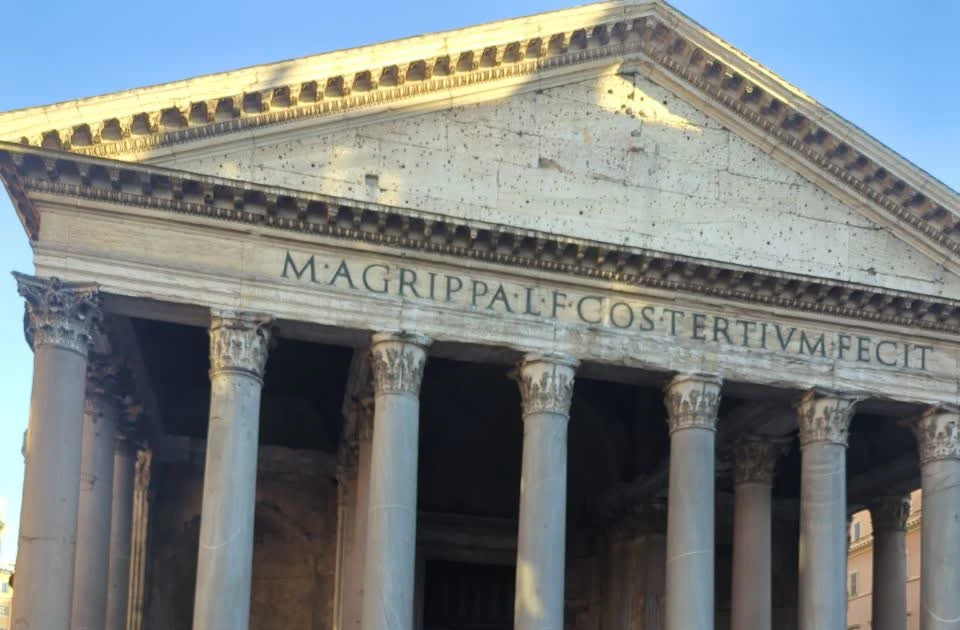
The official Pantheon page describes the great portico, Corinthian columns, pediment and original Agrippa inscription. For your photos, those details do three different things. The full facade creates scale, the repeating columns create depth and the darker portico gives closer portraits a quieter feeling.
Keep the session exterior-led. Visiting inside the Pantheon is a separate part of your day, with its own opening and entry arrangements. Outside, you already have enough variety for a strong beginning without turning your photoshoot into sightseeing admin.
Start wide, come close, then leave while the route still feels light. Piazza Navona will give you all the room the Pantheon deliberately does not.
The route at a glance
The first photographs feel grand and unmistakably Roman. Use Piazza della Rotonda for the whole portico, then move towards the columns for closer portraits where the stone rises around you.
Best for: your hero Rome frame, still couple portraits and a strong opening before the square gets busier.
Sant'Eustachio and Sant'Ivo: personal middle
The streets lower the volume. Oversized doors, cobbles, warm walls and the lines around Sant'Ivo alla Sapienza give you something natural to do between the two landmarks. Walk together, adjust a jacket, hold your child’s hand or pause for a close portrait.
Best for: movement, laughter and the photographs that feel most like you exploring Rome rather than standing in front of it.
Fontana del Moro: easy arrival
This fountain sits at the southern end of Piazza Navona, which makes it a natural first stop when you arrive from the Pantheon side. It gives you water and sculptural detail without asking the widest view to happen immediately.
Best for: a gentle entrance into the square, closer fountain portraits and a little movement before the central hero frame.
Fountain of the Four Rivers: Baroque hero
Bernini’s fountain, its tall obelisk and the curved facade of Sant'Agnese create the photograph that says Piazza Navona. The square gives your photographer enough distance to keep you clearly visible while the architecture builds behind you.
Best for: the widest Navona portrait, proposals with more breathing room and family photographs where the square itself feels part of the celebration.
Fountain of Neptune and the northern edge: optional finish
Continue north when the extra water detail or a walk towards Via dei Coronari changes the gallery. A short session can end at the central fountain without feeling unfinished. A longer one can use the northern end as a final release.
Best for: 90-minute sessions, a second family grouping or a last walking sequence before coffee nearby.
Tip: Photograph the most compressed view first. The Pantheon needs foreground room; Piazza Navona gives you more ways to adapt as the morning changes.
Use the piazza, fountain and columns as three different Pantheon angles
Begin from farther across Piazza della Rotonda. This is where the portico, inscription and triangular pediment can sit together behind you. Walk into the frame rather than planting your feet immediately. The movement helps you settle, and the photograph still carries the full weight of the building.
Next, use the fountain and obelisk in the square. From the right position, the fountain becomes a foreground detail while the Pantheon remains readable behind it. A local proposal reportage even found a workable small spot near the obelisk during a crowded session. You don't need perfect emptiness when the angle has a clear plan.
Then move close to the portico. Stand beside one column, turn through the row or let the photographer shoot from the side so several columns repeat behind you. The building stops being one giant facade and becomes stone, shadow and shape around your faces.
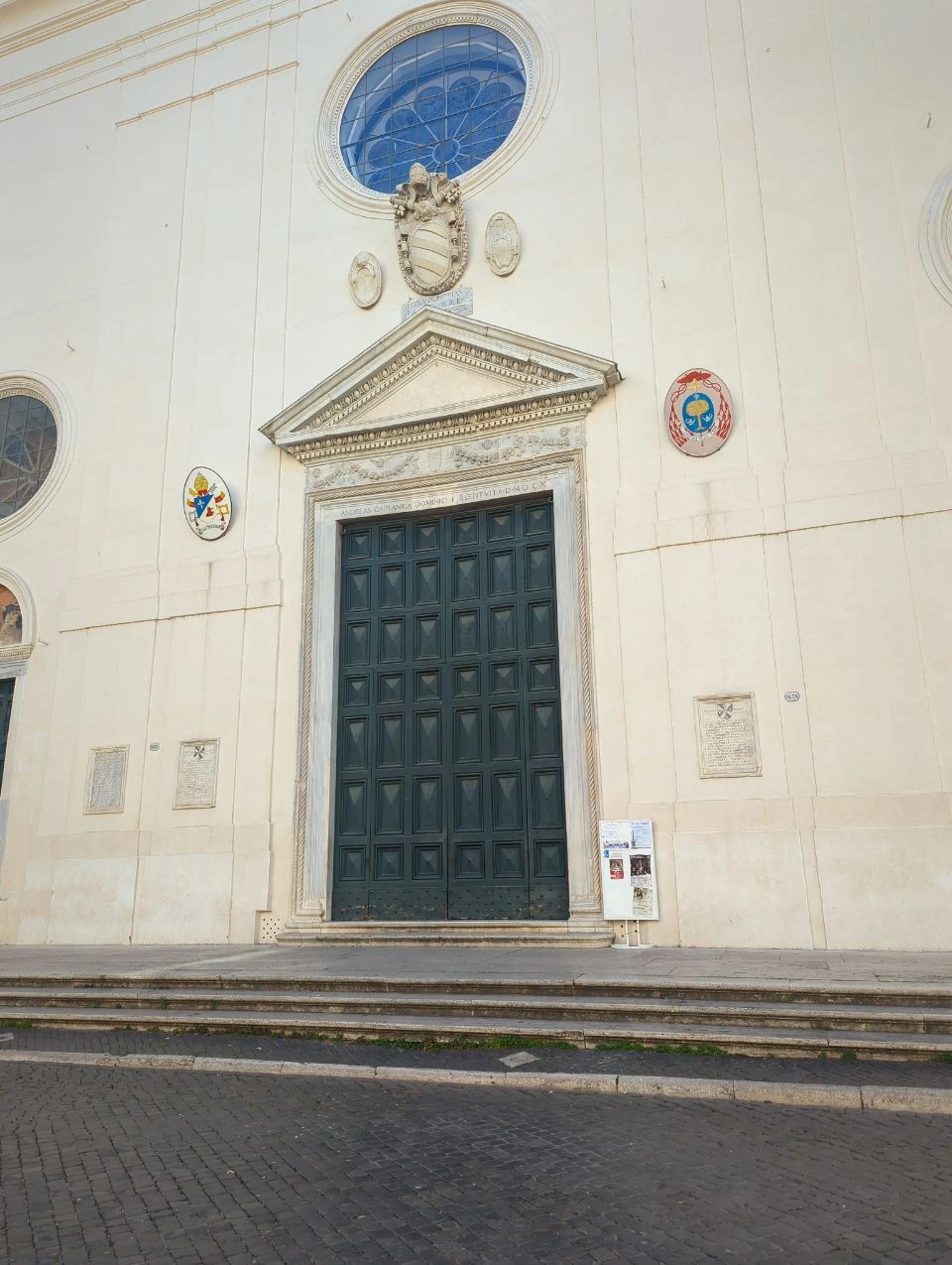
Piazza della Minerva is the optional fourth note. It sits beside the Pantheon and can add the large door of Santa Maria sopra Minerva, the elephant and obelisk or a calmer architectural frame. Use it as a warm-up when you have time. If the complete Pantheon view is your must-have, secure that first and treat Minerva as a bonus.
This section works particularly well for a solo portrait session because every distance changes your body language. You can begin walking, pause near the fountain and finish with a cleaner, editorial-feeling portrait beneath the columns. For couples, the same sequence moves from Rome as the subject to the two of you as the subject. The Rome portrait composition guide explores the same balance at other landmarks and street settings.
Photographed by Travaya Photographers
Let Sant'Eustachio and Sant'Ivo make the route feel personal
A real Rome engagement route paused at Sant'Ivo alla Sapienza between the Pantheon and Piazza Navona. Its elegant lines gave the couple a change from the large square. Another family session used the same general walk for cobbles and oversized doors, which had been one of the family’s favourite Rome details.
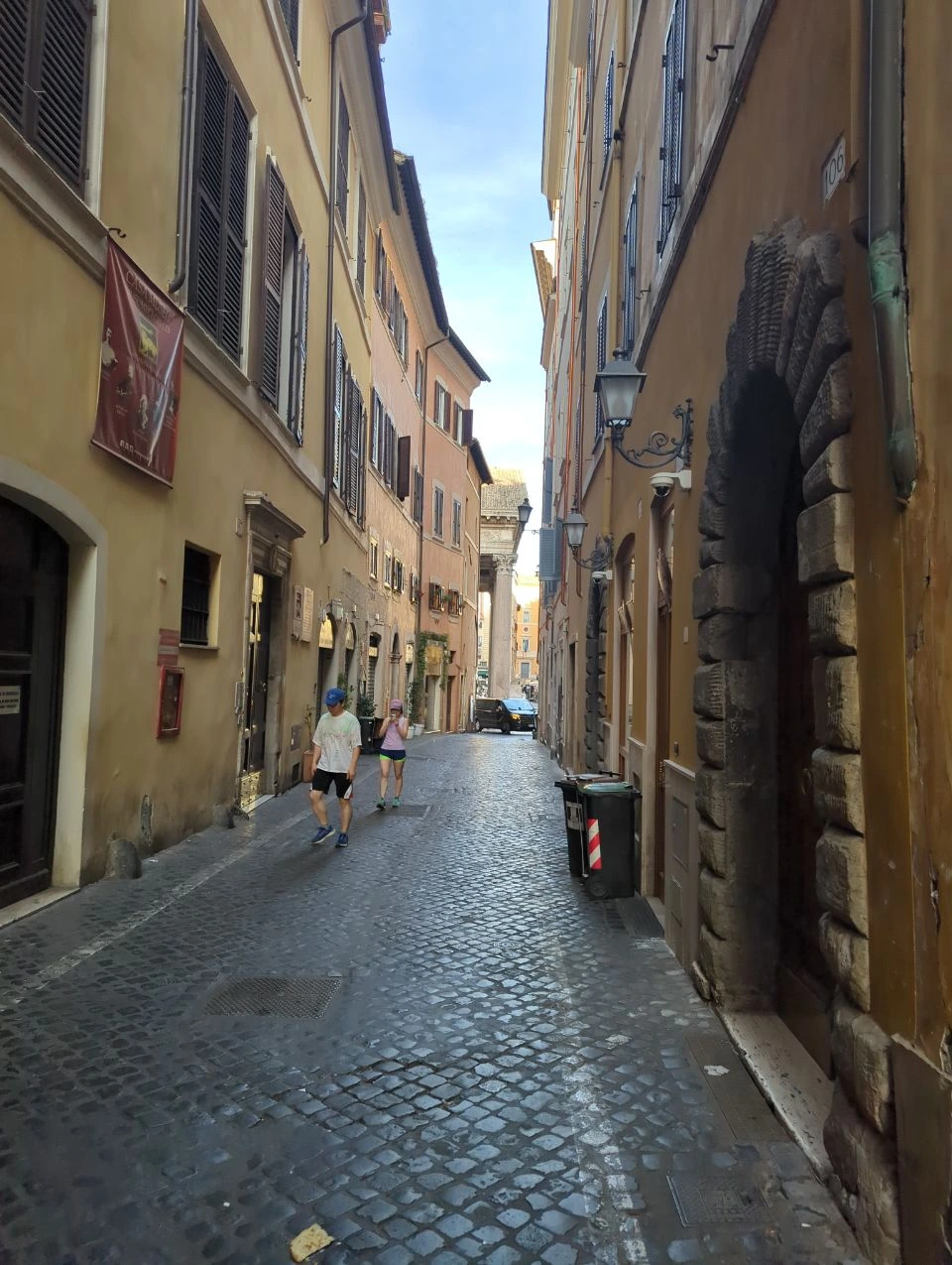
That's the middle chapter to keep. Leave Piazza della Rotonda towards Piazza di Sant'Eustachio, then let the exact path follow the best active light and street flow. Sant'Ivo can add a more formal architectural moment. A doorway can bring everyone close. A narrow lane can hold a simple walking frame where Rome sits around you without needing another famous name.
The direct Pantheon-to-Navona walk is short, but these portraits deserve a few pauses. Hold hands and walk past the camera. Let your child lead for ten metres. Stop beside a door and look at each other before you look at the lens. The route gives you real actions, so the expressions don't need to be summoned on command.
This is also where a jacket can come off, a skirt can move and the gallery can breathe after the Pantheon’s stiller start. By the time Piazza Navona appears, you already look comfortable. The biggest square arrives after you’ve stopped thinking about what to do with your hands. Perfect timing, really.
Photographed by Travaya Photographers
Enter Piazza Navona at Fontana del Moro, then build to the centre
The official Piazza Navona page confirms the square follows the outline of Domitian’s ancient stadium. You feel that shape as soon as you enter. The buildings hold a long open space rather than a compact piazza, so children can move, dresses can open and couples can walk without every portrait becoming a tight crop.
Approach from the south and begin at Fontana del Moro. Its position makes the route easy. You arrive, make a few closer photographs with water and sculpture, then continue forward. The fountain does not need to compete with the centre. Its job is to introduce Piazza Navona.
The Fountain of the Four Rivers gets the hero role. It combines huge river figures, a rocky base, animals, plants and the obelisk above. Across the square, Sant'Agnese adds its curved facade, dome and twin towers. Choose one clear relationship for each photograph. You can face the fountain with the church behind, use the obelisk to make the frame feel taller or step to one side for a closer portrait with water and stone.
The square’s generous width is especially helpful for families. One real local family session used Piazza Navona’s pedestrian space so the children could move freely while the photographer made family and parent portraits. The result does not need everyone to stand still for long. Walk together, bring the children back into the middle and let the square absorb the energy.
The Fountain of Neptune sits at the northern end. Add it when the route still has something new to say. It may give you a quieter edge, a second water detail or a natural direction towards the streets around Via dei Coronari. If the central fountain already delivered the Navona photograph you wanted, finish there. Three fountains are available. Your gallery is not required to complete the set.
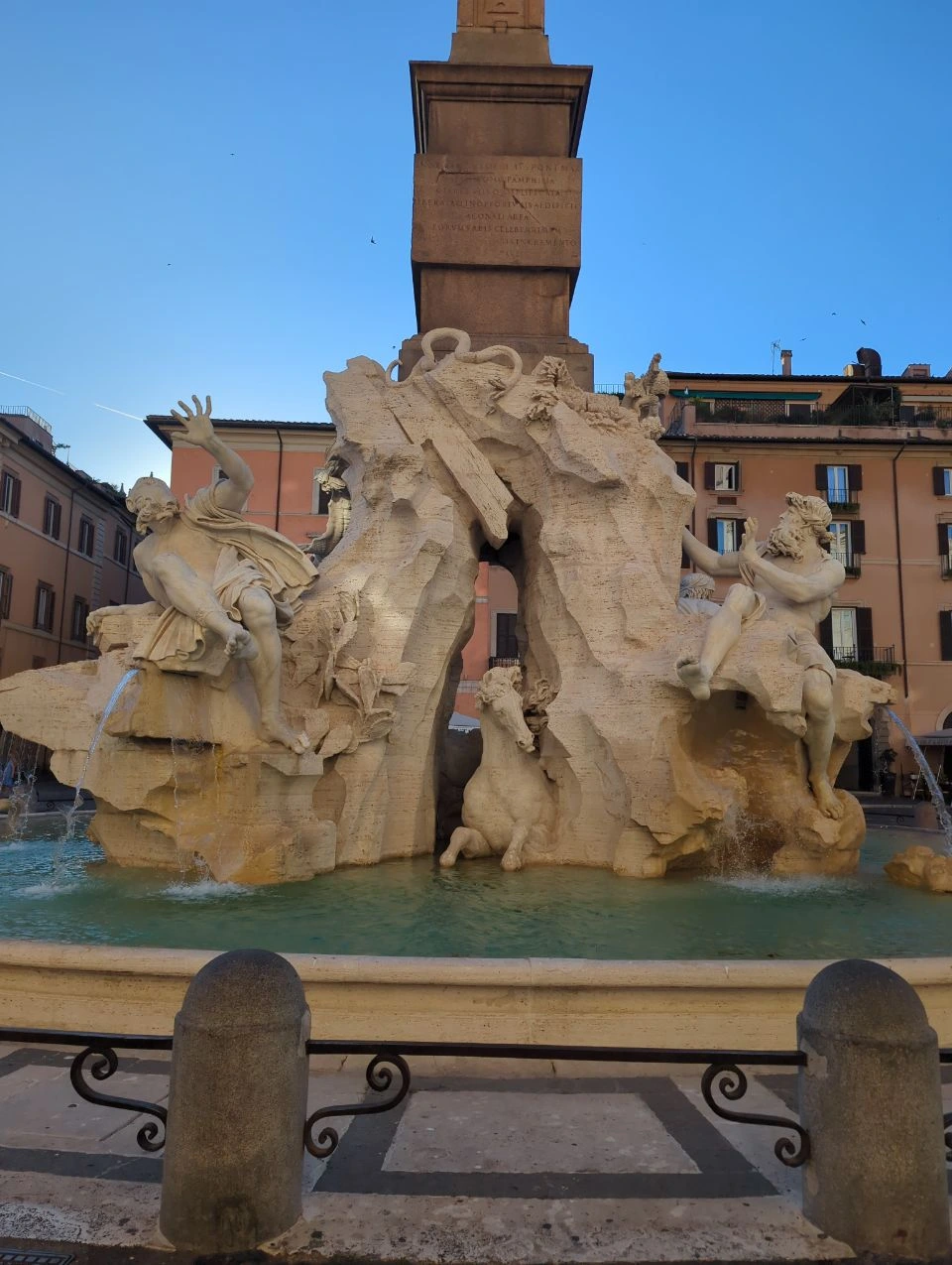
Photographed by Travaya Photographers
How long the full route really takes
Add Sant'Eustachio, Sant'Ivo, Fontana del Moro, the Fountain of the Four Rivers, the Fountain of Neptune and a northern finish, and the modelled line becomes about 1.14 kilometres with roughly 16 minutes of pure walking. That still excludes photographs, short waits, street crossings, cobbles, pushchair pace and the moment somebody notices a door that absolutely deserves its own photograph.
Here's the useful session decision:
1. Thirty minutes works best in one visual world. Choose the Pantheon with its columns and nearby streets, or choose Piazza Navona with one main fountain and movement. You can physically hurry between both, but the gallery loses the time it needs to change.
2. Sixty minutes covers the core route. Begin wide and close at the Pantheon, use one strong street transition, enter at Fontana del Moro and finish around the Fountain of the Four Rivers.
3. Ninety minutes adds one meaningful layer. Include Piazza della Minerva, more family groupings, a planned proposal sequence, the full north end or a slower Via dei Coronari finish.
The best extra time isn't spent proving how many place names fit on the booking. It's spent letting your children warm up, giving your partner a moment to forget the camera or waiting for one beautifully clear Pantheon foreground. The Rome photoshoot duration guide helps you match those priorities to 30, 60 or 90 minutes.
This route is compact enough to avoid a taxi and varied enough to feel complete. That's the sweet spot.
Morning, pre-dawn or evening changes the whole mood
Set the start by the season and the view you want, not by copying 07:00 from somebody else’s gallery. In summer, the most useful start may feel alarmingly close to bedtime. In winter, the morning can begin at a much kinder hour. The first Pantheon frame sets the clock because it's the least flexible part of the route.
Pre-dawn gives you another version of Rome. The Pantheon facade and Piazza Navona fountains can still be lit while the sky remains deep blue or almost black. That creates a richer night feeling, but your photographer may need portable light so your faces don't disappear beneath the architecture. Choose this when illuminated stone and fountains are part of the dream, not simply because you want fewer people.
Evening is the atmosphere choice. Piazza Navona fills with conversations, street artists and people crossing between cafés. The fountains and facades begin to glow as daylight leaves. Your photographs feel social and alive, with Rome participating rather than politely stepping aside.
The Pantheon can still work during a busier evening. One real proposal session found a small position near the central obelisk fountain and continued through the streets to Piazza Navona. The photographer used the people as part of the setting and chose tighter views when needed. That's a different promise from an early architectural route, and it can be wonderfully romantic.
Choose morning for space and a clearer monument-to-person relationship. Choose pre-dawn for lit architecture and a more dramatic setup. Choose evening for warmth, lamps and a city that feels fully awake. There's no wrong Rome here, only a different kind of memory. Compare sunrise and sunset in Rome if you are still choosing between those two moods.
Match the route to the people joining you
This is for you if you want famous Rome without making every photograph feel formal. The gallery can begin with architecture and end with the two of you laughing beside the fountains, which is a rather lovely summary of a city break.
For families, begin with focus and finish with freedom. Make the Pantheon’s widest family portrait while everyone is fresh. Use the doors and streets for hand-holding. At Piazza Navona, let the children walk, spin or run back towards you in the pedestrian space. One location asks for a little stillness; the other gives the energy somewhere to go.
A pushchair can cover the distance, but Rome’s cobbles decide the pace. Sixty minutes is often enough when you use the core route and one central Navona fountain. Larger or multi-generational families benefit from 90 minutes because subgroup photographs and comfortable transitions take real time. Read about Rome photoshoot planning with children before setting the start time and pace.
For solo travellers, change your posture with the setting. Walk into the Pantheon frame, use the columns for a stronger close portrait, then loosen up in the streets. Piazza Navona has enough width for full-body movement and a little outfit drama without needing a second neighbourhood.
This is for you if you want polished portraits and a real Rome story in the same gallery. Bring as little as possible, wear shoes that can cross cobbles happily and let one layer or accessory change the look rather than planning a full outfit swap in a public square. The Rome photoshoot outfit guide helps you prepare that one adaptable look.
For maternity sessions, keep the route beautifully selective. The core distance is gentle, but standing, summer warmth and uneven stone matter more than the number on the map. Use the Pantheon, one street stop and the central Navona view. The northern fountain becomes optional, not unfinished business. The Rome maternity and babymoon guide explains how to plan around that comfort-first approach.
For proposals, choose the feeling before the exact monument. The Pantheon creates a powerful reveal because the architecture feels close and enormous. It also needs a precise standing mark, photographer view and public-space backup. Piazza Navona offers more room for the photographer to stay discreet and gives you an easy celebration route after the yes. Compare the wider choice of Rome proposal locations if the level of privacy is still part of your decision.
At either location, agree on the exact cue and direction before the day. “Somewhere by the fountain” is not a proposal plan when the square contains three of them.
What this Rome morning actually feels like
A café shutter rises near Sant'Eustachio. You walk past a door large enough for a palace and your photographer asks you to do it once more, only slower. By Sant'Ivo, you have forgotten the first five minutes when every hand felt strangely unemployed.
Then Piazza Navona opens. Your child runs towards the fountain. Your dress catches a little movement. Your partner says something that makes you laugh just as the water lifts behind you. The last photographs feel less like posing and more like the morning carrying on with a very good witness.
Finish while everyone still feels bright. Find coffee, cornetti or a quiet table nearby and let Rome become busy without needing anything else from you. The photoshoot has not taken over the day. It has given the day its first story.


Save the Pantheon to Piazza Navona photoshoot route
Keep the start order, fountain sequence and 30/60/90-minute choices together while you plan.
Save on Pinterest
Plan your Pantheon photoshoot with Travaya
Turn two Rome icons into one easy portrait story
Begin with monumental columns, keep the walking realistic and finish with room to move beside the fountains.


Our Rome Shoots:
Book your Rome Photographer!
Start BookingWhat to Wear for a Rome Photoshoot: An Outfit That Moves With You
Villa Borghese Family Photoshoot Guide: Toddlers, Lake and a Pincio Finish
Trevi Fountain Photoshoot Guide: Sunrise, Crowds and the Pantheon Route
Trastevere Photoshoot Guide: Streets, Colour and Quiet Corners
Sunrise or Sunset for a Rome Photoshoot?
Spanish Steps Photoshoot Guide: Choose Your Route, Light and Pace
ENJOY $20 OFF
Your first photoshoot when you become an email subscriber.
Related Articles
What to Wear for a Rome Photoshoot: An Outfit That Moves With You
Choose a Rome photoshoot outfit that feels like you, reads clearly beside the city and moves comfortably through cobbles, seasons and the real route.
Villa Borghese Family Photoshoot Guide: Toddlers, Lake and a Pincio Finish
A relaxed Villa Borghese family photoshoot with toddler-friendly space, a calm lake chapter and Rome spreading out below you from Pincio.
Trevi Fountain Photoshoot Guide: Sunrise, Crowds and the Pantheon Route
Plan a Trevi Fountain photoshoot with clear advice on sunrise, crowds, access and the beautiful walking route to the Pantheon.