
Table of Contents
Find the Rome That Feels Like You
Here's the lovely part: you only need to find the version of Rome that feels like you. The best Rome photoshoot location is the smallest area that gives you room to be yourselves while keeping Rome unmistakable. Choose the feeling you want in your gallery, then build the session around that.
How to choose between Rome photoshoot locations
Think of the location as five things working together: the Rome backdrop, the foreground where you'll stand, the light, the way your group moves and the value of the transitions. That might sound rather photographic, but the choice is wonderfully human. Can your children wander without hearing “stand here” every ten seconds? Can you two walk and talk? Do you want the city to feel alive around you, or would you rather give your portraits a little more breathing room?
The exact corner matters too. “The Colosseum” could mean standing close to the entrance with its huge stone curves rising behind you, or moving farther away so the whole building appears in one wide frame. At the Spanish Steps, a bend, side platform or balustrade can give you more depth than the obvious straight-on position. Same landmark, completely different photographs.
Tip: Choose one must-have Rome feeling before choosing a route. “Monumental and grand” or “warm streets and movement” gives your photographer far more useful direction than a list of six landmarks.
Choose the version of Rome you want in your gallery
Monumental Rome: big stone, wide frames and ancient scale. The Colosseum, Roman Forum and Palatine belong to one archaeological world, but they don't all look the same through a camera. An elevated or more distant view can keep the Colosseum clear while leaving room for you in the foreground. Forum terraces and nearby Roman streets add layers, arches and old stone without asking every photograph to use the same background. Our Colosseum photoshoot guide compares the exterior positions for that balance of monument and foreground.
Picture your family starting above the Forum, walking down through cobbled streets and finishing with the Colosseum opening up ahead. That route has happened in a real family session, and it works because the walk changes the scale of the story. Choose this Rome if you want your photographs to feel bold, travelled and unmistakably ancient.
Best for: you if the Colosseum is the photograph you've imagined for years, or if your family loves movement and big surroundings. The wider archaeological area has slopes and changing levels, so a focused route will usually feel better than trying to conquer all 40-plus hectares.
Ancient Rome at Monumental Scale
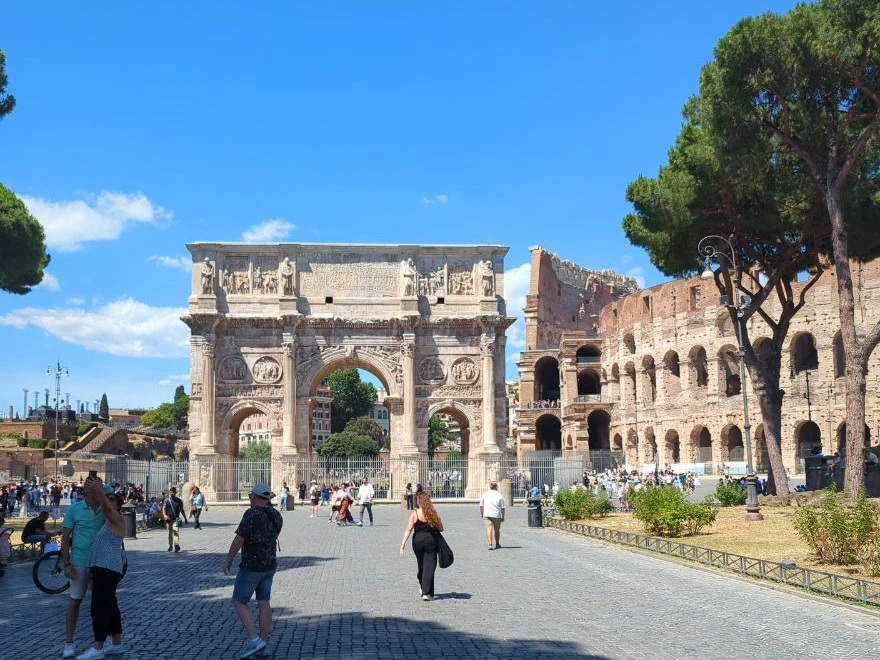
A little distance lets the Colosseum stay recognisable while your family remains the heart of the frame.
Baroque and Classical Rome
This is the Rome of instant hero photographs. You step into the scene, the architecture does half the storytelling and suddenly your coffee-before-sunrise decision feels very clever. Starting early gives you more room to work, while Trevi can stay lively even around 06:30. Come for better odds and softer energy, then let the city be part of the fun. Our Trevi Fountain photoshoot guide explains the practical positions and access details behind that early start.
Best for: you if you love recognisable Rome, ornate detail and photographs that feel full of life. Side angles and quick changes of position help when the centre feels busy.
Classical Rome: columns, piazzas and a walking city story. The Pantheon's columns, portico, large door and approach streets can carry a session before you've even reached Piazza Navona. Then the scene opens into a long piazza with three fountains, façades, street artists and people moving through the day.
A real family shoot began at the Pantheon, slipped into the cobbled streets with their old doors and continued to Piazza Navona. That's the joy of this part of Rome. The grand frames and the close, laughing ones belong to the same walk. The story keeps moving every time the background changes. Our Pantheon and Piazza Navona photo route shows how those exterior scenes connect.
Best for: you if you want architecture and candid movement in equal measure. The streets stay lively, so the gallery feels urban and warm.
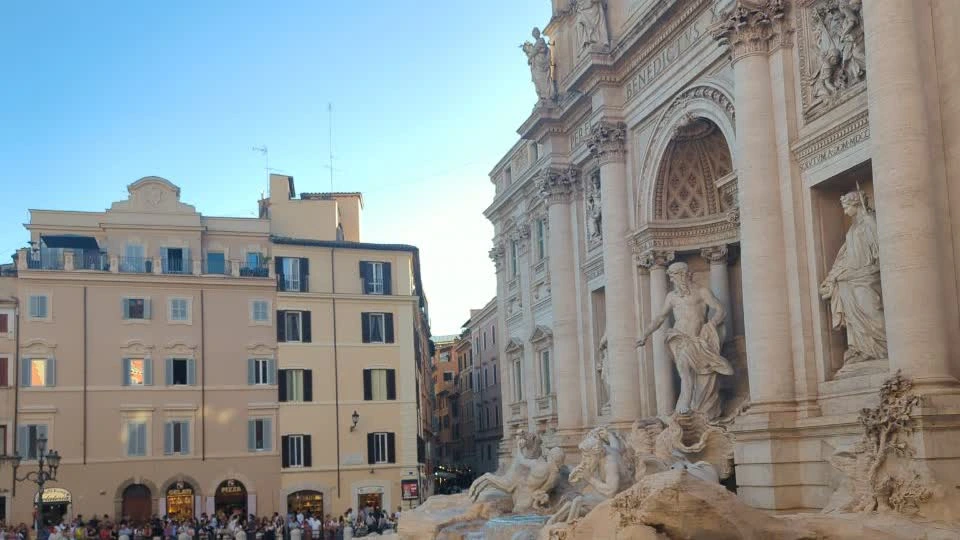
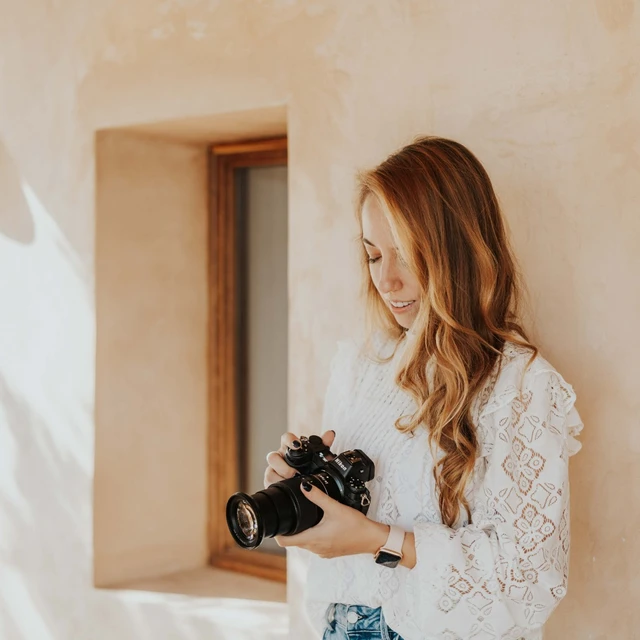
Photographed by Travaya Photographers


Save your favourite Rome photoshoot style
Monumental, Baroque, street-led or green? Save this guide now, then come back when you and your photographer choose the route.
Save on Pinterest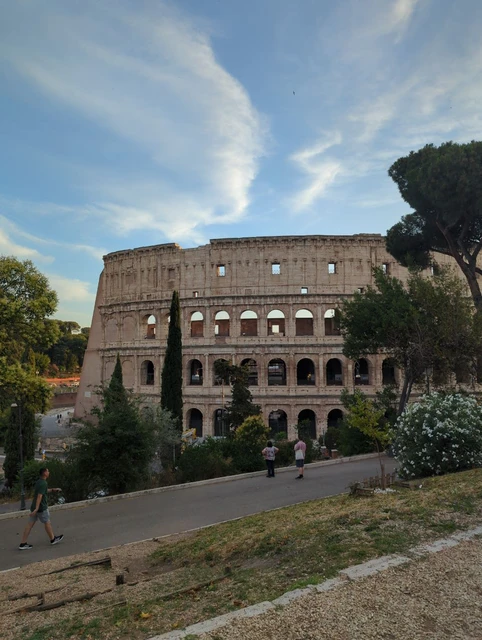
Lived-in streets and green Rome
These streets feel best when their everyday life stays visible. Scooters, residents, morning deliveries and the first restaurant tables are part of their character. Leave a little room for Rome to be Rome. It looks better that way.
Best for: you if you'd rather remember how the city felt than collect its biggest landmarks. It also suits a later start when a street-led story matters more than an empty sunrise icon.
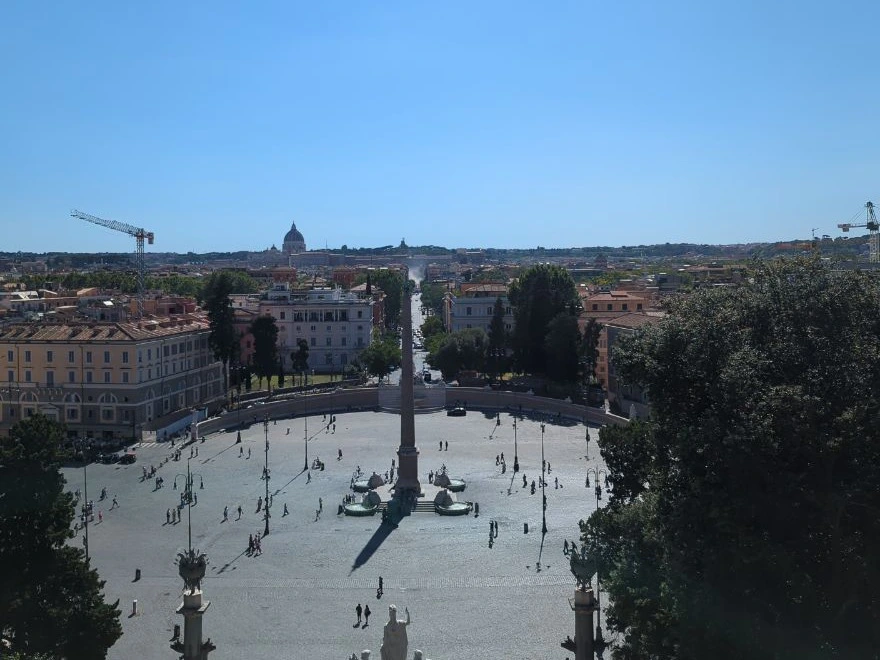
Green and panoramic Rome: softer pace, open space and one wonderful view. Pincio can begin with rooftops and Piazza del Popolo below, then lead into Villa Borghese's paths, trees, columns and lake. Near the water, the Temple of Aesculapius gives you a touch of classical Rome without losing the calm park feeling.
One documented family session moved from Pincio through the park to the lake and temple in about an hour. That isn't a fixed timetable, but it shows how much variety can happen without crossing the city. You can walk, sit, let your children explore and still finish with a setting that feels special. Our Villa Borghese family photoshoot guide helps you plan the family portrait, pauses and optional lake finish.
Best for: you if your group relaxes with room to move, or if you want one panoramic Rome frame followed by softer family or couple photographs. The park is listed as open from dawn to dusk, so check the current hours when you plan.
Villa Borghese and the Pincio Route
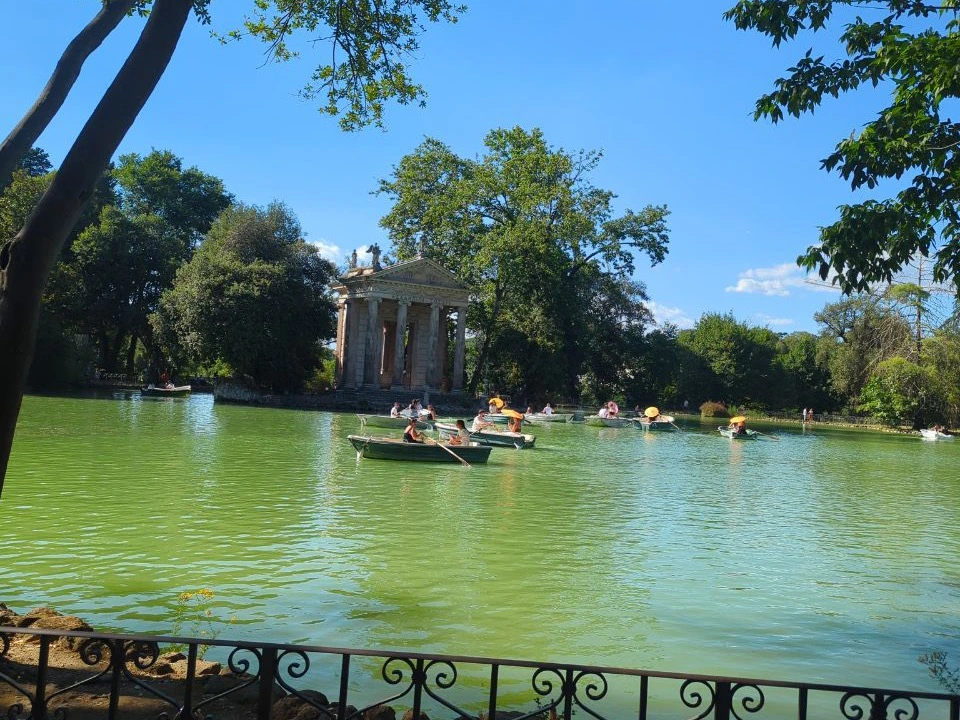
Pincio, shaded paths and the lake can give you several moods without a cross-city transfer.
River and bridge Rome
This side of Rome feels especially cinematic around blue hour, when the castle and bridge lights begin to matter. Choose the deeper evening feeling you love, tell your photographer and let the route stay focused here. Our Rome evening couple photoshoot guide explains how to plan backwards from the lit scene you want at the end.
Best for: you if you want Rome to feel romantic and architectural without building the session around Trevi or the Spanish Steps.
A Lower-Tiber View Toward St Peter's
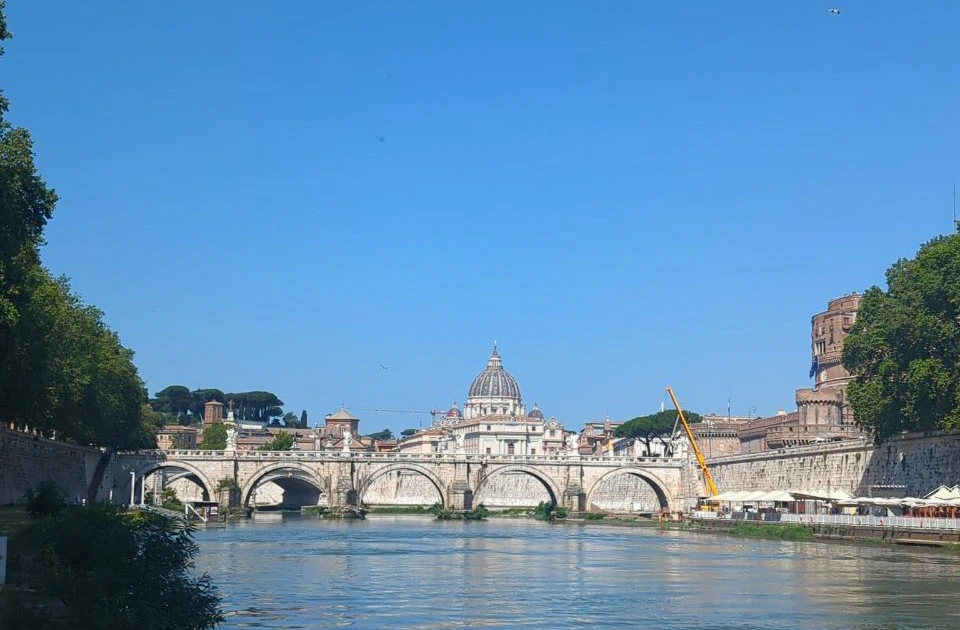
Bridge lines, water and the castle create several strong views inside one area.
Put the people in the location decision
A family with adventurous older children may love the scale and walking story around the Forum and Colosseum. A toddler who needs room to wander may make Villa Borghese feel like the best idea you've had all week. You two might want Trastevere because talking and walking feels more natural than holding a pose, while another couple will happily wake before sunrise for one unforgettable Trevi frame. Our Rome family photoshoot guide helps you match that choice to your children’s ages and energy.
Think about pace before place. If anyone needs a stroller, regular pauses or gentler ground, keep the route compact. If your children loosen up when they can move, choose open paths or a piazza where the photographer can follow the action. And if you're planning a proposal, choose the exact spot and what happens afterwards. A photographer arriving first, waiting for your cue and leaving time for the first excited portraits is far more useful than simply choosing “the Orange Garden.” Our Rome proposal location guide helps you make those decisions before choosing the exact setting.
Our local photographers can turn your favourite Rome feeling, your group's pace and the way you naturally move into a route that feels easy from the first hello.
Decide how much Rome energy belongs in your photographs
It's still a living public place, and that's part of its charm. Your photographer can use a side position, wait for a brief opening or make the movement part of the scene. A few people crossing a piazza can make the photograph feel more like Rome, not less.
Later sessions bring a different kind of energy. Trastevere feels lived-in, Piazza Navona fills with movement and evening light starts to shape the river and stone. Choose early for more room around the central icons. Choose a livelier hour if you love the feeling of being inside the city rather than standing in front of it.
If you'd rather feel less watched, choose a park path, a quieter street sequence or a viewpoint where you can work from the side. Rome's public places never come with a promise of privacy, but the exact camera area can make the session feel far more personal. Your photographs can still say Rome without asking the whole piazza to join in. Compare our quieter Rome portrait settings for those wider paths, side views and more personal backgrounds.
Build a Rome story, not a landmark receipt
A central street story can begin at the Pantheon, use doors and cobbles along the way and open into Piazza Navona. An ancient-Rome story can start above the Forum, move through textured streets and finish with a wider Colosseum view. A softer session can begin at Pincio, drift into Villa Borghese and end beside the lake. Our Colosseum and Roman Forum photo route helps you choose the exterior connection and direction for the ancient-Rome version.
Each route changes naturally without feeling like a sightseeing race. That's where little photographs happen: your child jumping over a line in the stones, your partner laughing while you cross a quiet street, the two of you stopping for a second because the view has suddenly opened up.
A faster icon route can work too, especially when you're mobile, happy with an early start and genuinely want several headline views. Let every extra location earn its place through a great transition, a new feeling or a photograph you truly care about. Your gallery can skip the sightseeing receipt.
Match 30, 60 or 90 minutes to the Rome you want
Thirty minutes works beautifully for one exact Rome idea. Choose one Colosseum viewpoint, one focused Trevi setting with its closest useful street texture, or the bridge-and-river world around Castel Sant'Angelo. You'll have time for the hero portrait, natural movement and a few closer moments without spending the session travelling. This is the “I know the photograph I came for” option.
Sixty minutes gives one area room to become a story. You might begin at the Pantheon, use the doors and cobbles between the landmarks and finish in Piazza Navona. You could start with the Pincio panorama and move into Villa Borghese, or let Roman Forum layers lead towards a wider Colosseum finish. The backgrounds change, but the session still feels like one walk.
Ninety minutes buys breathing room before it buys another landmark. It gives children time to settle, a larger family time for more combinations, a proposal enough space for the plan and the celebration afterwards, or you enough time for a small outfit change. A second visual chapter can work when the transfer is simple and the new setting genuinely changes the gallery.
Choose the duration that protects the feeling you want. Thirty calm minutes in the right place will usually give you more than a rushed tour of Rome's greatest hits. Rome has been here for a while. You don't need to photograph all of it before breakfast. Compare Rome photoshoot durations once you know which visual world you want.
Let the light shape the mood without making promises
Imagine starting beside Trevi as the city wakes, then watching ancient stone warm on the way towards the Forum. Or stay by the river and let the bridge and castle lights slowly join the scene. Choose the mood first, and your photographer can time the route around it.
Weather gets a vote too. One documented family session continued through rain around Pantheon, Piazza Navona and Castel Sant'Angelo. It shows what flexibility can do. When your route has useful streets, arches and public spaces between the big views, the story has somewhere to go.
A quick note on access, parks and equipment
Rome treats a handheld holiday portrait and an equipment-heavy commercial shoot as different setups. Tripods that occupy public ground and commercial use of protected heritage can bring extra permission steps, and the right authority may change by location. Share the exact setup with your photographer, then check the current rule for that place and keep the route built around reliable exterior spaces.
Choose your Rome photoshoot locations in three steps
1. Name the feeling: monumental, Baroque, lived-in, green and panoramic, or river-led.
2. Match it to your pace: how you move, how much city energy you enjoy and whether anyone needs extra room or regular pauses.
3. Pick one coherent area, or a route where the streets and paths between views add to the gallery.
That's it. Arrive with the feeling you love, and the route can grow from there.
Plan your Rome photoshoot
Find your Rome, then make it yours
Tell us your date, favourite visual style and who's joining you. We'll help turn it into an easy Rome photoshoot plan.
Rome Photoshoot Location Questions
Quick answers about locations, timing, children, duration and permissions.
The best location is the compact area that matches your wanted mood and gives your group room to move naturally. Choose monumental Rome for scale, central streets for a walking story, Villa Borghese for a softer pace or the river for architectural evening atmosphere.
The Colosseum is stronger for ancient scale and wide portraits where Rome fills the scene, while Trevi gives you water, sculpture and immediate Baroque drama. Your preferred gallery feeling makes the choice.
Sunrise often gives you more room around central icons and softer early energy, while a public landmark can stay lively at any hour. Street, park and river sessions can also work beautifully later when that timing suits you better.
Villa Borghese and Pincio give you panorama, paths, greenery, architecture and a lake inside one broad area. Pantheon and Piazza Navona offer a more urban answer, with columns, cobbled streets, doors and fountains in one connected story.
Villa Borghese is a lovely choice when your children relax with space to wander, but it isn't the only one. Real family sessions have also worked through ancient Rome and the central piazzas, so match the route to your children's pace and curiosity.
They can fit into some longer, mobile, early sessions, often with a transfer between areas. If you want the experience to feel slower, choose one as your hero setting and let nearby streets add the variety.
Choose 30 minutes for one focused setting, 60 minutes for one connected route and 90 minutes when you want a slower pace, more family combinations, a proposal plan, an outfit change or a carefully chosen second chapter. The best duration is the one that gives your favourite Rome setting room to feel enjoyable.
Requirements depend on the setup. A simple handheld session is different from a larger commercial production using tripods, occupied public ground or protected heritage, so check the current rule for your exact plan.


Our Rome Shoots:
Book your Rome Photographer!
Start BookingWhat to Wear for a Rome Photoshoot: An Outfit That Moves With You
Villa Borghese Family Photoshoot Guide: Toddlers, Lake and a Pincio Finish
Trevi Fountain Photoshoot Guide: Sunrise, Crowds and the Pantheon Route
Trastevere Photoshoot Guide: Streets, Colour and Quiet Corners
Sunrise or Sunset for a Rome Photoshoot?
Spanish Steps Photoshoot Guide: Choose Your Route, Light and Pace
ENJOY $20 OFF
Your first photoshoot when you become an email subscriber.
Related Articles
What to Wear for a Rome Photoshoot: An Outfit That Moves With You
Choose a Rome photoshoot outfit that feels like you, reads clearly beside the city and moves comfortably through cobbles, seasons and the real route.
Villa Borghese Family Photoshoot Guide: Toddlers, Lake and a Pincio Finish
A relaxed Villa Borghese family photoshoot with toddler-friendly space, a calm lake chapter and Rome spreading out below you from Pincio.
Trevi Fountain Photoshoot Guide: Sunrise, Crowds and the Pantheon Route
Plan a Trevi Fountain photoshoot with clear advice on sunrise, crowds, access and the beautiful walking route to the Pantheon.