
Best Acropolis Viewpoints for Photos: Areopagus vs Philopappos vs Pnyx vs Lycabettus
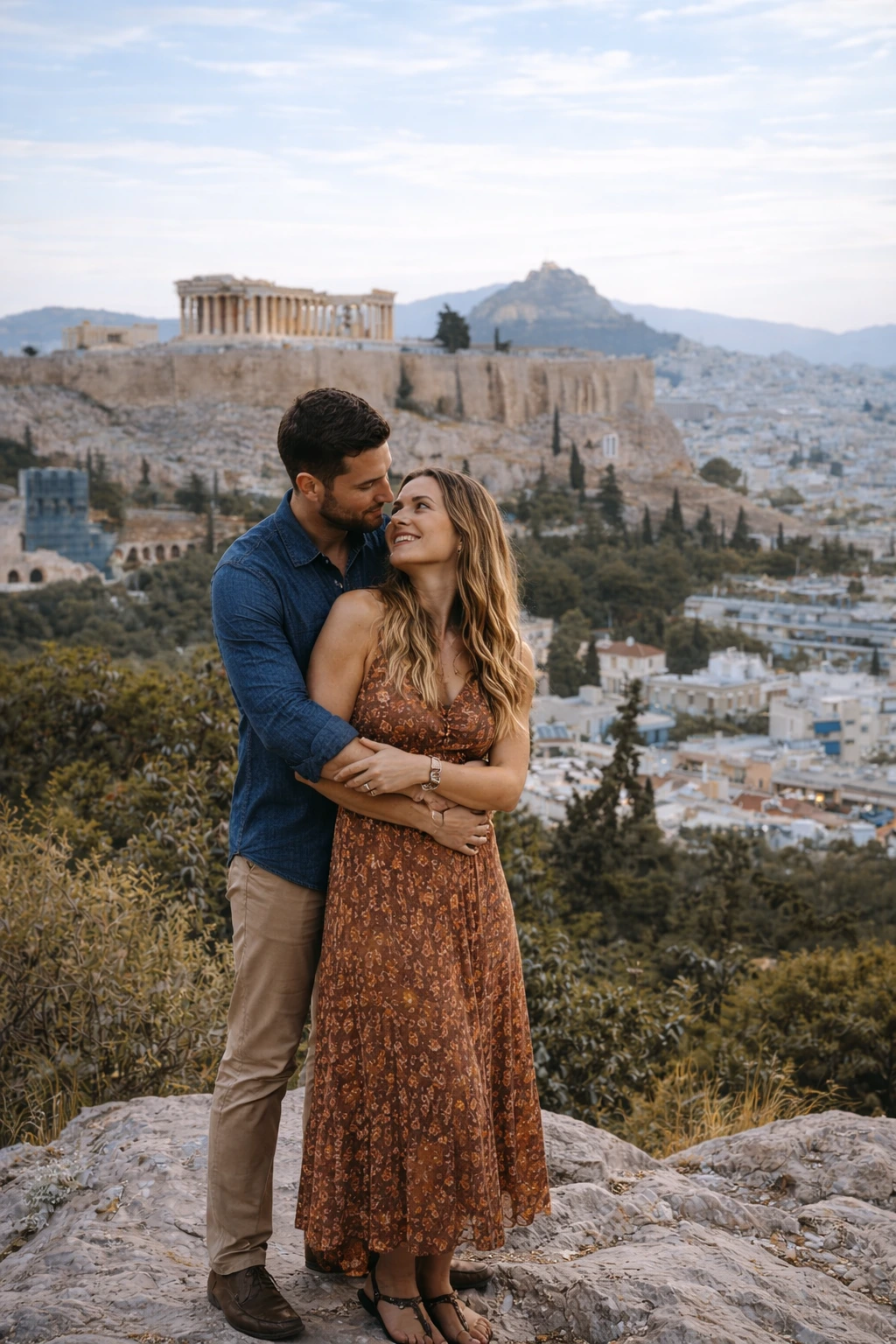
You turn on a pine-edged path, glance back, and suddenly the Acropolis rises above Athens as if someone placed it there for your photograph. That moment can happen on more than one hill. The surprise is how different it feels each time.
Areopagus brings you close to the action, with polished rock and a lively sunset crowd. Philopappos gives the Acropolis room to lead the picture, often with trees and the Odeon sharing the scene. Current Athens guides point to Pnyx as a more understated historic setting, though visitor levels vary. Lycabettus pulls everything wider until the whole city becomes the story. The best choice isn't simply the highest or closest hill. It's the one that gives you the picture you want and an experience you'll actually enjoy.
Updated
Table of Contents
Best Acropolis viewpoints for photos at a glance
That split sounds simple, but it saves a lot of second-guessing. A viewpoint can be beautiful and still be wrong for your clothes, your walking comfort or the mood you imagined. Closest doesn't automatically win. Neither does highest.
We've walked Areopagus and several parts of Philopappos ourselves, including a separate sunset return. We haven't scouted Pnyx or Lycabettus ourselves, so for those two we've checked current official information and recent local write-ups. If either is your favourite, confirm the route, meeting point and access shortly before the session.
Photographed by Travaya Photographers
Areopagus feels close, bold and wonderfully public
The picture isn't only about the Parthenon. Our scout found the wider Athens panorama especially strong here, while the Acropolis itself felt less dominant than it did from the tested Philopappos points. Think broad skyline, immediate city energy and a recognisable ancient setting rather than one clean monument close-up.
The polished rock deserves a practical plan. During our scout, we saw visitors slip even when they seemed sure-footed. Secure shoes make the experience much easier. Follow the built path, use the flatter gravel for longer portraits, and save dress shoes for a firm photo spot if you want them in the final look.
Sunset at Areopagus is a shared event, not a private terrace. That can be exactly the charm. You might hear applause after a proposal or catch the happy hum of the city settling into evening. For a calmer feel, an earlier window gives you more space to move, but no public viewpoint comes with an empty-background promise.
Areopagus suits you if you want a short, high-impact stop and you're comfortable with a social atmosphere. Choose a flatter or more spacious viewpoint for outfit changes, very young children or portraits where the Acropolis should fill more of the photograph. It may be the shortest stop, but polished rock means it isn't automatically the easiest choice in formal shoes.
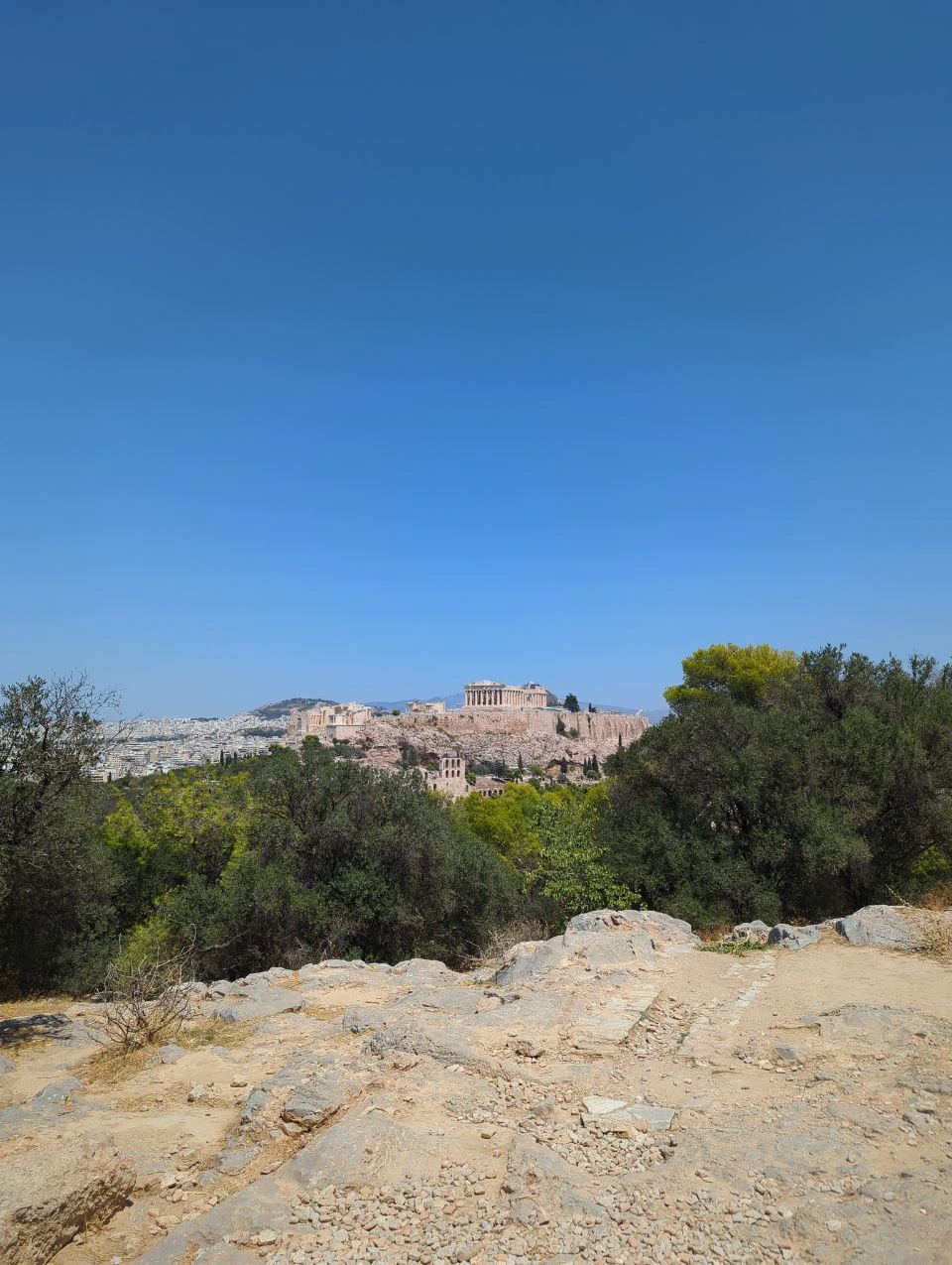
Philopappos gives the Acropolis room to lead
The lower tested point offers the strongest balance of view and effort. It gives you room to walk, talk and settle naturally into the photographs without taking on the full climb. Higher points widen the panorama, but they require more climbing.
That gives you a useful choice before the shoot begins. Stay lower when you want the signature view with a gentler pace. Go higher only when the wider panorama genuinely earns the extra effort. More altitude is an option, not a badge of honour.
Sunrise was especially strong at the lower scouted point: the hill felt cool and quiet, and from the tested position the green foreground, Odeon and Acropolis aligned as light appeared around the columns. A separate return near sunset showed another good mood. On the sunset visit in our notes, last checked on 17 August 2026, portraits worked around ninety minutes before the sun dropped, while favourite rocks started filling during the final half-hour. Use that as one field-tested planning buffer rather than a permanent crowd timetable, then check the real sunset time and conditions for your date.
Philopappos suits you if the Acropolis should be the clear visual lead and you still want a natural walking feel. It also gives you more ways to adjust effort than the word “hill” might suggest. A separate Athens route guide covers the complete walking sequence and session-length options.
Photographed by Travaya Photographers
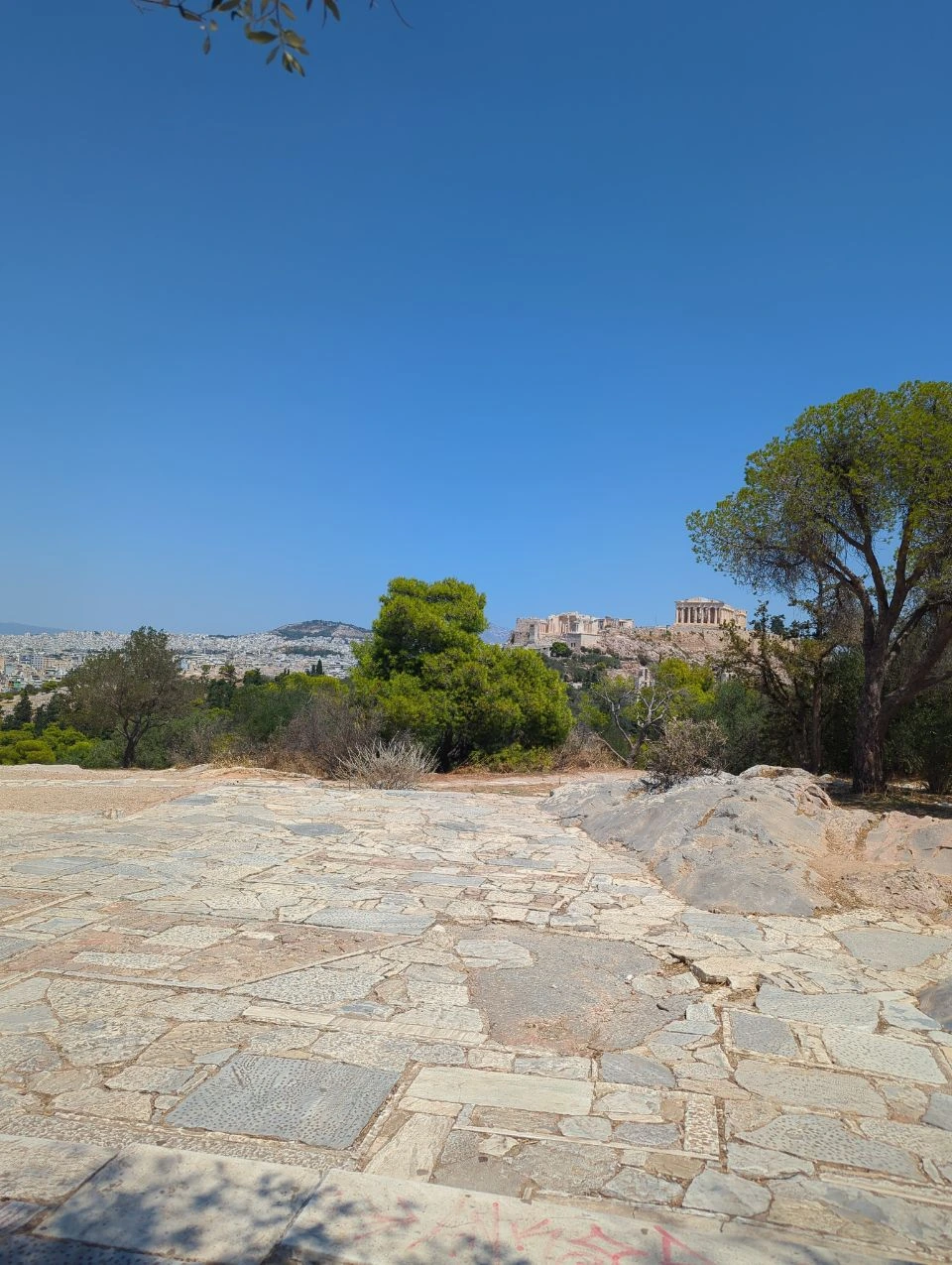
Pnyx trades summit drama for historic breathing room
That can be refreshing in photographs. The Acropolis remains part of the scene, but the atmosphere is less about conquering a peak and more about space, stone and the sense of walking through old Athens. Pnyx and Philopappos belong to the same connected western-hills landscape, but they offer different photographs and different moods. Philopappos is the stronger tested monument-led choice. Pnyx gives the Acropolis more space around it and lets the historic clearing carry more of the picture.
Double-check Pnyx before you build a session around it. We haven't scouted it ourselves, so this guidance comes from current sources rather than our own walk. Its appeal is the open archaeological landscape, but the route, background and number of visitors will depend on the day. Don't choose it on the assumption of privacy. For a proposal or tightly timed sunset photograph, confirm the meeting point, current access and likely visitor flow.
Pnyx suits you if you want history, open space and a more understated Acropolis background rather than a dramatic summit portrait. It may look calmer than Philopappos, but confirm the exact approach before treating it as the easier physical option.
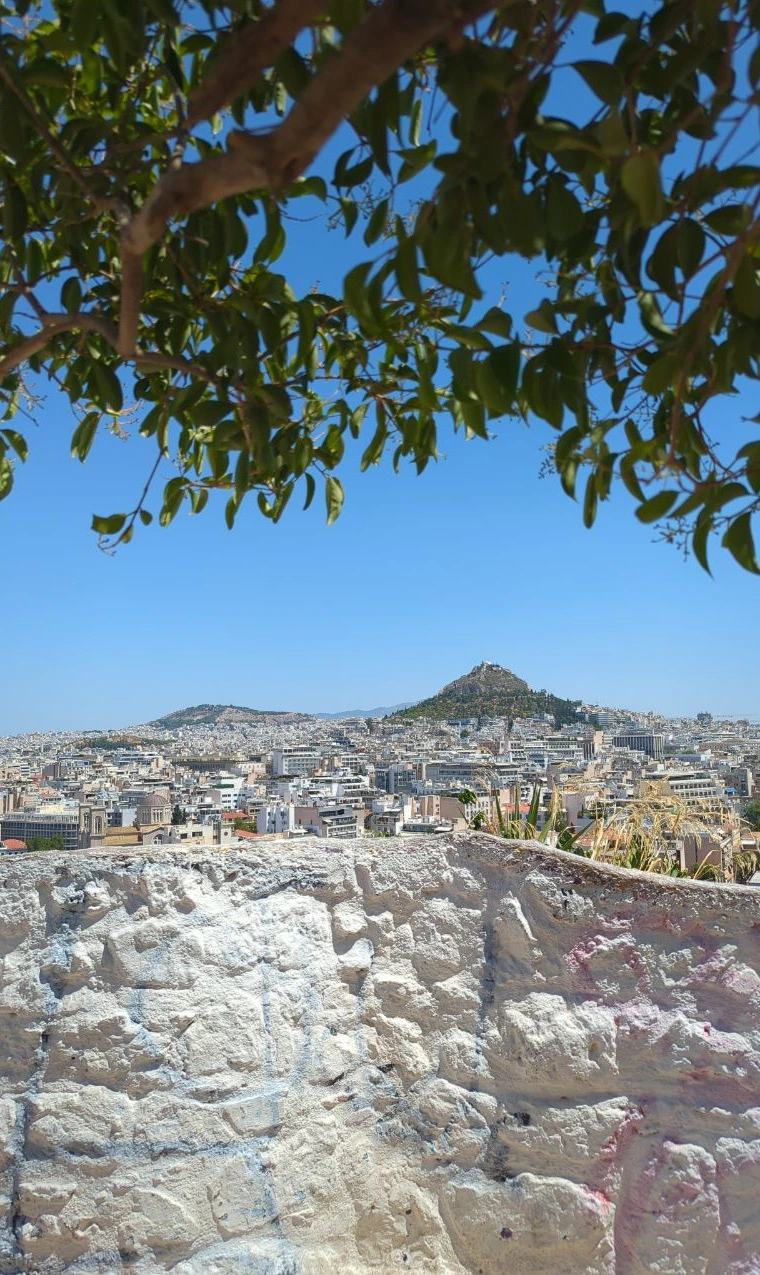
Lycabettus puts the whole city in your photograph
Distance is part of its beauty. The Acropolis looks smaller from here, but the photograph gains layers of rooftops, hills and sky. The whitewashed summit buildings can also appear in the photographs, adding a crisp contrast to the wide city view. It feels cinematic because the scale is huge, not because the monument dominates.
Your access choice matters more here than on the other three hills. Current sources describe walking, taxi-assisted arrival and the funicular as the main options. The uphill walk can feel demanding, especially in warm weather. If you want the panorama without using most of your energy on the climb, take a taxi partway or check whether the funicular suits your session plan.
Funicular hours and fares can change, so check the current timetable for your date. Wind also deserves a look at the session forecast. An open summit can be wonderful for movement in a dress or jacket, but a very breezy evening changes hair, loose fabric and how long everyone wants to stay.
We haven't scouted Lycabettus ourselves, so treat the transport details as a useful starting point and check them again for your date. Lycabettus suits you when city scale is the dream and you're happy for the Acropolis to play a beautiful supporting role.
Photographed by Travaya Photographers
The easiest viewpoint is the one your body can enjoy
Choose according to the surface and effort your group can comfortably manage. A short approach may still involve slippery rock, while a longer hill can offer steadier places to pause and photograph.
Wear stable walking shoes for polished or uneven ground, then change into dress shoes only after you've reached a firm portrait spot. Uneven ground, heat and wind can affect how comfortable you feel, and that comfort shows in your posture, movement and patience. Bring water in warm weather and choose the lower hill option when children, pregnancy, an injury or formal clothing make a longer ascent feel less joyful. The right level keeps the session comfortable and lets it feel like a lovely part of your Athens day.
Wind and heat belong in the same final check as sunset. A breezy summit can add movement, while stronger wind may make a lower, more sheltered viewpoint feel better. A warm afternoon can make assisted Lycabettus access or a lower Philopappos point the smarter choice. Checking the forecast helps you choose the viewpoint where everyone can stay comfortable and enjoy the photographs.
A day or two before the session, start with any official access or closure notices. Then match the meeting point and path to the sunset time, heat, wind and recent rain. If your Lycabettus plan depends on the funicular, check its timetable and service notices too. Ordinary visitor access doesn't automatically give permission for an organised photoshoot, so your photographer should also verify any current rule that applies.
Photographed by Travaya Photographers
Match the best Acropolis viewpoints for photos to your mood
For family, maternity or dressed-up couple portraits, the easiest route to a strong view often beats the highest point. Decide whether the Acropolis or the wider city should stand out most, then choose a walking route that feels comfortable for everyone. You want to finish with that happy “shall we go for coffee?” energy, not a victory speech about reaching the top.
We'll help you choose the hill that fits
Best Acropolis Viewpoints for Photos FAQs
Yes. Share the picture you want, the walking level that feels comfortable and whether the session includes children, formal clothes or a proposal. A local photographer can then recommend the strongest match and recheck the specific arrival pin, access and weather near the date.
Use a shared map pin or named entrance, not only the hill name. Philopappos and Pnyx cover a connected landscape with several paths, and Lycabettus has different arrival options. Agreeing on one exact point prevents the session from beginning with a search for each other.
Ask your photographer to check the current guidance from the authority responsible for the intended site. The enquiry should identify the date, exact location, group size and any equipment, because those details can affect the answer. Keep a copy of any written guidance with the session plan.
Agree on the standing point, the photographer's signal and a nearby fallback before you arrive. The fallback matters because visitors, wind or a temporary access change may affect the first choice, especially around sunset.
Sometimes. Pnyx and Philopappos sit within the connected western hills, so they make the most natural pairing if the planned path and session length allow it. Areopagus can work as a separate short stop. Lycabettus is better treated as its own destination because crossing the city can consume the time you wanted for photographs.
It can, but the arrival needs to be planned before the view. Tell your photographer what everyone can comfortably walk, whether you'll change shoes and how much standing time feels realistic. Then choose a specific stable portrait area and a transport plan that doesn't depend on an unverified service.


Best Time for an Athens Photoshoot: Sunrise, Sunset, Heat, Shade and Crowds
How to Choose an Athens Proposal Location: View, Privacy, Walking and Plan B
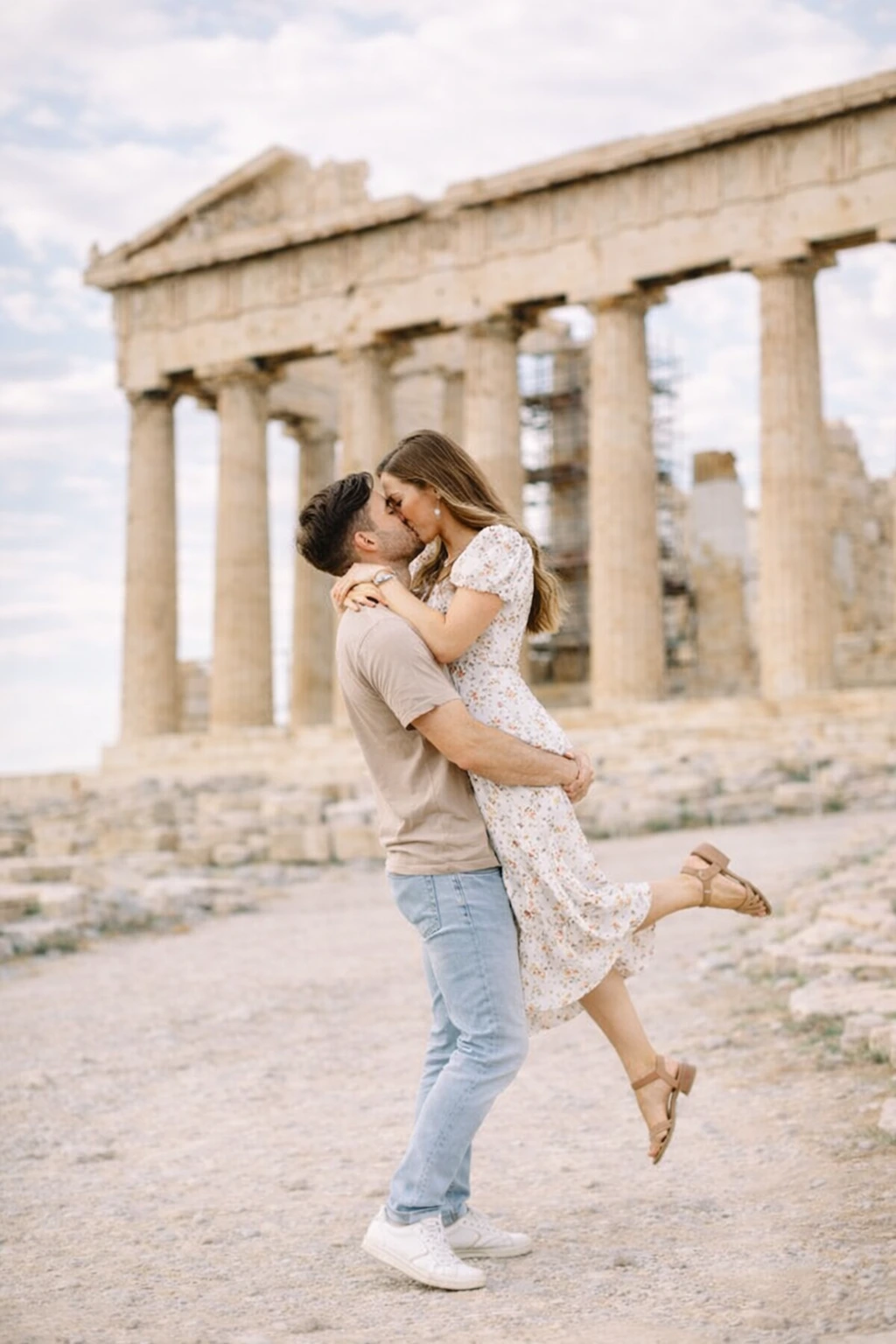
Can You Take Professional Photos at the Acropolis? Current Rules and Better Alternatives
Athens Family Photoshoot With Kids: An Easy, Shaded Route
Athens Maternity Photoshoot: Comfortable Locations, Soft Light and Minimal Walking
A Lisbon Midday Photoshoot: A Shade-First Route Through Arcades, Tiles and Gardens
ENJOY $20 OFF
Your first photoshoot when you become an email subscriber.
Related Articles
Best Time for an Athens Photoshoot: Sunrise, Sunset, Heat, Shade and Crowds
Choose sunrise, a shade-led daytime route or a buffered sunset for your Athens photoshoot, with practical guidance for heat, crowds, wind and walking.
How to Choose an Athens Proposal Location: View, Privacy, Walking and Plan B
Choose between Areopagus, lower Philopappos, National Garden/Zappeion and a private terrace using view, privacy, walking and a nearby Plan B.
Can You Take Professional Photos at the Acropolis? Current Rules and Better Alternatives
See the current Acropolis photo-shoot permission route, the Museum rules and three easier ways to keep the monument in your Athens portraits.