
Boboli Gardens Photoshoot Guide: Permission, Routes and Easy Alternatives
Boboli is beautiful enough to tempt you into planning the whole garden. This guide helps you keep it smaller: one entrance, one visual chapter and a realistic route that still leaves room to enjoy the photographs.
Updated

Table of Contents
A smaller Boboli route makes a better photo story
That is usually where a Boboli Gardens photoshoot becomes more walking tour than photo session.
The better plan is smaller. Choose one entrance, one leading background and one nearby path that changes the feeling without sending everyone on a cross-garden expedition. You’ll have more time to settle into the photographs, your clothes will stay happier on the gravel, and nobody has to smile through an unexpected uphill march.
There is one important check before any of that. Boboli is a ticketed outdoor museum, not a normal city park. Personal holiday photographs and an organised professional shoot are treated differently. Under the current Uffizi rules, professional photography or photography intended for publication requires specific authorisation.
Once that permission is clear, Boboli can be wonderful. This guide will help you choose the right visual chapter, understand the light and walking surfaces, decide whether the garden fits a couple or family, and keep a genuinely lovely Oltrarno alternative ready.
Planning a Boboli Gardens photoshoot starts with permission
The Uffizi has a professional request page with the current form and contact details. At the time of research, it lists `[email protected]` for filming and photography requests. No guaranteed response time is published there, so apply well before the date and wait for written confirmation before treating Boboli as your fixed location. Conditions and possible fees can change, which is why the official page should always have the final word.
The same rules shape what the session can look like. Tripods and stands are restricted, flash is not allowed under the general museum photography rules, and drones are prohibited in Boboli. Your authorisation may add its own conditions. A light, low-disruption setup is not only easier to carry up the paths, it is also much more appropriate for the setting.
Wardrobe needs a check too. Boboli’s current rules prohibit wedding dresses, period costumes and other fancy dress, as well as swimsuits and revealing attire. This makes the garden a lovely fit for polished couple clothes, an engagement outfit or simple family styling, but not a default bridal-portrait venue. Stable shoes are your friend. If you want a dressier shoe in the photographs, bring it in a small bag and wear the sensible pair between frames. Glamour survives a shoe swap far better than an ankle survives wet gravel. Use the Florence photoshoot outfit guide within those venue rules, keeping the garden’s current restrictions as the starting point.
Boboli currently opens at 8:15, but closing time changes through the year. Last admission is one hour before closing, and the garden is normally closed on the first and last Monday of each month and on 25 December. Weather can also affect access. Check the official Boboli visitor page for your exact date, opening window, entrance status and any notice before buying tickets or agreeing on a meeting point.
Tip: Permission comes before the route
Professional photography or images intended for publication require specific Uffizi authorisation. Check the current Boboli rules and request process before buying tickets or promising the garden as your confirmed location.
Links: Boboli rules · Photography request process
Choose your Boboli Gardens photoshoot route by entrance
Boboli’s paths are clay and gravel, and the garden is almost entirely sloping. The official rules also warn about uneven levels, worn steps and surfaces that can become slippery with moss, damp or rain. Instead of counting kilometres, count transitions. One palace scene, one garden landmark and one shaded path are usually enough for a coherent set.
These are the three most useful visual chapters:
- Pitti Palace and the Amphitheatre give you grand stone, formal symmetry and sculptural detail. This is the strongest choice if you want architecture as well as greenery, or if your session will continue into central Florence afterward. The trade-off is that the climb begins quickly and the broad formal areas can feel bright in strong sun. Photograph the palace relationship, the Amphitheatre and one nearby elevated look rather than automatically marching toward the far end of the garden.
- Isolotto, the Ocean fountain and one stretch of Viottolone create a more immersive garden story. Cypress rhythm, water, sculpture and shaded side paths suit couples and proposals especially well. Viottolone is steep, though. If you descend without deciding where the session ends, the garden may surprise you with an uphill return just when everyone thought the walking part was over. Use the lower garden plus one avenue, not every pin saved on your phone.
- Annalena and a compact proposal route work when one precise moment matters more than a tour. A documented late-September proposal began in the first hour after opening, used the Ocean fountain as the agreed point, then continued on nearby paths for engagement portraits. The useful lesson is the choreography: decide the entrance, exact spot, photographer position, recognisable cue and what happens after “yes.” Early entry may feel calmer, but Boboli is still public and no fountain comes with a privacy guarantee.
Forte Belvedere can be useful for the upper side of the garden, but it should only enter the plan when current access and the desired route make sense. Do not choose it simply because it looks close to a pin. Your photographer should confirm which entrance is operating and walk the intended sequence in the correct direction.
Light changes within each chapter. The palace-facing spaces, major axes and broad clearings can be crisp and bright. Tree-lined routes, cypress avenues and side alleys offer pockets of shade and a softer pace. In summer, that turn into the trees can feel like somebody quietly switched off a hair dryer. Build one open frame and one shaded transition into the route instead of expecting even light throughout the garden.
The first hour after the current 8:15 opening can be a smart choice in warmer months. It is often cooler, people have more energy for the slopes, and the public flow may be gentler than later in the day. It is not a sunrise session, and it is not guaranteed empty. At the other end of the day, generic “golden hour is best” advice can fail because seasonal closing and last admission may come before the light you had in mind.
A compact route is especially valuable if you want a second Florence chapter. Photograph one Boboli story, leave by the entrance that supports the next move, then change the visual language outside. Green symmetry followed by old streets feels intentional. A full garden crossing followed by a city walk can feel like the day accidentally became a fitness challenge.


Save the Boboli route cheat sheet
Keep the permission check, entrance choice and Oltrarno backup together while you plan.
Save on Pinterest
Couples, families and the seasons that change the plan
For a couple session, pair one formal frame with one more relaxed path. You might begin with palace scale, then soften the photographs under the trees. Or choose the Isolotto area and let cypress, water and sculpture carry the whole story. Comfortable shoes, empty hands and a route you can explain in one sentence usually produce a calmer session than a detailed treasure map. The wider choice of Florence couple photoshoot routes can help if you prefer river or street variety to one formal garden.
Proposals need even more restraint. The plan should identify where the photographer waits, which direction the couple approaches from, what the cue looks like and where everybody meets after the moment. A real Boboli proposal used a staged couple shoot as cover before an agreed cue, while another moved from the proposal point into nearby portraits and then continued into Florence. Both flows work because the emotional moment leads and the location count stays modest.
Families can also photograph beautifully here, but Boboli is not a wide public lawn where children can run wherever they like. Running is prohibited, protected grass must be respected, and the slopes, gravel and steps make a long route tiring. Choose a compact chapter, plan a toilet or snack break, and build the photographs around walking, cuddling, statue-spotting and small interactions. A child who suddenly wants to discuss every stone lion has not ruined the schedule. They have simply appointed themselves assistant art historian. Compare other family photoshoot ideas in Florence if your children would enjoy a setting with more freedom to move.
The official page lists accessible entrances at Pitti Palace and Porta Romana, but it also describes the garden as sloping clay and gravel and says accessibility visits require an accompanying person. A stroller may manage selected paths, not every route. If anyone in the group has limited mobility, contact the venue about current conditions and let that answer determine the entrance. Fewer backgrounds and happier people will always beat a heroic loop.
Maternity sessions benefit from the same compact approach. Choose an elegant formal area, keep climbs to a minimum and wear stable shoes between portraits. Avoid a long hem after rain, when gravel and old steps can be damp. Current clothing rules still apply, so the styling should feel polished rather than ceremonial or costume-led. For gentler alternatives as well as garden planning, read about Florence maternity and babymoon photos.


In hot weather, start early, bring water and shorten the route before anyone wilts. In rain, take the official warnings seriously. Worn steps, moss and sloping ground can become slippery. If Boboli remains open, use a safer, flatter chapter and skip the ambitious transitions. If the garden closes because of weather or wind, follow the closure. No photograph is worth arguing with a museum gate or a tree in a storm.
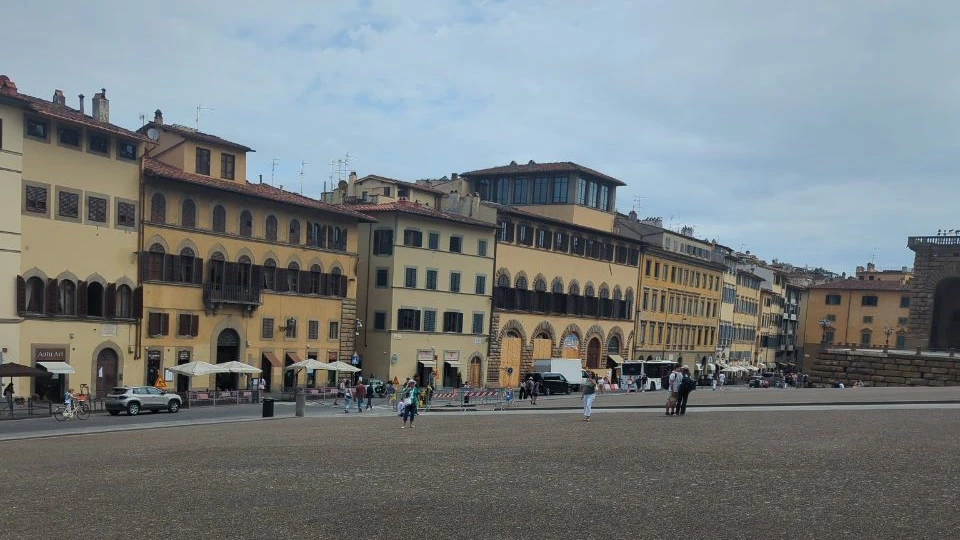
Your alternative is right outside. Pitti’s exterior and the streets of Oltrarno can give you old doors, shutters, stone lanes, plants, arches and long alley perspectives without pretending to recreate the garden. The mood is different. Boboli is formal and composed; Oltrarno feels lived-in, warm and unmistakably Florentine.
That makes the streets a particularly good choice when permission has not arrived, the group does not suit the slopes, or a family needs more flexible movement. They can also become the second half of a longer booking. Oltrarno is not the consolation prize. It simply trades Medici symmetry for the texture of everyday Florence.
A Travaya photographer can help you turn the permission conditions, entrance and walking needs into a route that feels relaxed on the day. You can plan your Florence photoshoot with a local photographer, then decide whether Boboli or the surrounding streets tell the better story for your group.
Want help choosing your Florence photo route?
Tell us who is coming, the date and the feeling you want. We’ll help you choose a realistic Boboli chapter or an Oltrarno alternative, then match you with a local photographer.

Where to Propose in Florence: Choose the Proposal Style She Would Love
Find the Florence proposal setting that feels most like her, from peaceful gardens and hidden viewpoints to classic landmarks and stylish rooftop evenings.
Where to Propose in Florence: Choose the Proposal Style She Would Love
Discover where to propose in Florence, from quiet gardens and hidden viewpoints to classic landmarks, romantic rooftops and relaxed Oltrarno streets.
Sunrise or Sunset for a Florence Photoshoot?
Sunrise gives Florence’s icons more room; sunset brings warm skyline atmosphere and blue hour. Here’s how to choose by date, route and who’s joining.
Boboli Gardens Photoshoot FAQ
Quick answers about permission, timing, family routes, outfits and weather.
Yes. Under the current Boboli-specific Uffizi rules, photography for professional purposes or intended for publication requires specific authorisation. A normal admission ticket does not replace it. Check the current rules and Uffizi request page, apply well before your date and wait for written confirmation of the conditions before fixing the route.
There is no single best time for every route. Boboli currently opens at 8:15, and an early session is often cooler and may feel calmer. Closing time changes by season, with last admission one hour before closing, so a sunset plan is not always possible. Match the official opening window to the palace-facing light, open axes or shaded paths you want.
It can be, especially when you choose one compact area and plan breaks. Keep in mind that running is prohibited and the garden includes clay, gravel, slopes and worn steps. Strollers can use selected routes rather than the entire garden. Check current accessibility guidance, choose the entrance around the family’s actual needs and keep an Oltrarno alternative ready.
Choose elegant, comfortable clothing and shoes that can handle gravel and inclines. A second dressier pair can travel in a small bag. Avoid long hems after rain. The current Boboli rules prohibit wedding dresses, period costumes and other fancy dress, so do not plan bridal or costume styling without a specific written exception from the venue.
Follow official closure and safety guidance. Damp steps, moss, clay and gravel can become slippery, and strong wind may cause closures. If a safe compact route is not possible, move to the Pitti exterior and suitable Oltrarno streets, or reschedule. The alternative will look less formal, but doors, shutters, arches and stone lanes can make the Florence story every bit as distinctive.


Our Florence Shoots:
Book your Florence Photographer!
Start BookingWhere to Propose in Florence: Choose the Proposal Style She Would Love
Sunrise or Sunset for a Florence Photoshoot?
Piazzale Michelangelo or San Miniato for a Photoshoot? An Honest Comparison
Multi-Generational Family Photoshoot in Florence
Instagram Spots in Florence You Must Capture
Florence at Sunrise: A Portrait Photoshoot Route
ENJOY $20 OFF
Your first photoshoot when you become an email subscriber.
Related Articles
Where to Propose in Florence: Choose the Proposal Style She Would Love
Discover where to propose in Florence, from quiet gardens and hidden viewpoints to classic landmarks, romantic rooftops and relaxed Oltrarno streets.
Sunrise or Sunset for a Florence Photoshoot?
Sunrise gives Florence’s icons more room; sunset brings warm skyline atmosphere and blue hour. Here’s how to choose by date, route and who’s joining.
Piazzale Michelangelo or San Miniato for a Photoshoot? An Honest Comparison
Compare two famous Florence viewpoints by scenery, atmosphere, walking effort and timing, then find the route that suits your photoshoot.