
October 9, 2026
How to Plan a Lisbon Couple Photoshoot That Feels Like a Date
You picture coffee at a pavement table, cups arriving as a tram bell sounds nearby, then the two of you wandering across patterned paving in the afternoon light. The photographs should belong inside that day.
Yet it is surprisingly easy to turn the idea into a military operation: meet here, cross the city, wait for a tram, reach a viewpoint, find the famous façade and somehow look relaxed throughout.
A better Lisbon couple photoshoot is not a race through a checklist of landmarks. It is a real date with a photographed chapter in the middle. Lisbon still appears in the pictures through its light, streets, tiles, rooftops and river views, but you remain at the centre of them.
Updated

Table of Contents
Build the photoshoot into the middle of your Lisbon date
The first part gives you a chance to settle into the area and each other’s company. The middle then belongs to the photographs. You can walk, pause and follow the photographer into a quieter side street without worrying that every unscheduled moment is making you late.
If the light reaches a tiled wall at the right time, there is room to stop. If one street feels too busy, another turning might work better. The experience becomes a walk with direction rather than a series of hurried transfers between photographic targets.
Plan the final part by choosing an endpoint near somewhere you would genuinely like to eat, drink or spend the evening. That might mean finishing near a restaurant in Chiado, a wine bar around Bairro Alto or the waterfront near Cais do Sodré. Time Out Market can be a convenient food option after a session near Cais do Sodré, although its traders, seating and activity levels can vary and it is often busy.
The endpoint matters because it gives the session a natural destination. The photographer can leave, the formal booking can end and the day can continue without another complicated journey across Lisbon.
Choose one Lisbon neighbourhood and enjoy it properly
Choose your area according to the atmosphere you want, the terrain you are comfortable with and what you would like to do later.
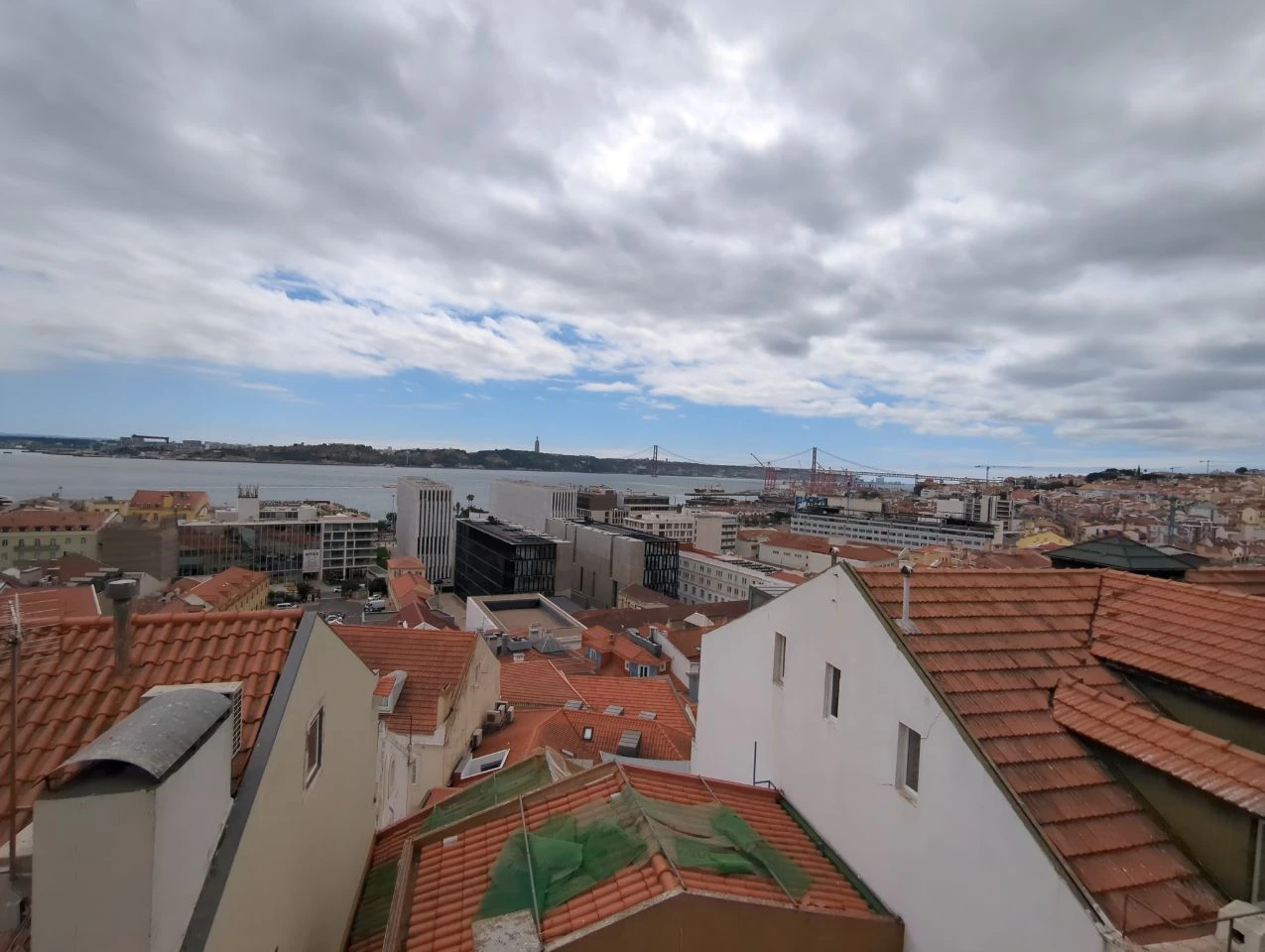
Chiado, Bairro Alto and Bica work particularly well as a connected choice. Their adjoining streets change in character without breaking the flow of the walk. Polished Chiado can give way to steeper lanes, patterned tiles and rooftop light as you move towards Bairro Alto and Bica. This combination suits couples who want variety without travelling between distant districts.
Alfama feels older, closer and more intricate. Narrow streets, worn façades, steps and sudden openings towards the rooftops create a sense of discovery. It can be beautiful for couples drawn to texture and historic architecture, but its slopes and uneven surfaces need proper consideration. Popular viewpoints such as Santa Luzia can also be crowded, so the strongest photographs may come from the streets around them rather than from one exact terrace.
Belém offers a more spacious visual rhythm. Grand exteriors, tiled details and open areas near the Tagus suit couples who prefer stronger architectural compositions to tightly enclosed old-city lanes. Its attractions are spread over a sizeable area, so choosing a small group of compatible surroundings is more realistic than attempting every monument. A pastry before or after the session can complete the outing, while professional photography inside a bakery or monument requires separate agreement.
Cais do Sodré brings urban energy close to the river. Streets, transport, waterfront space and nearby places to eat or drink can create a satisfying progression into the evening. It is a good fit if you want the photographs to feel lively rather than secluded.
Instead of asking how many famous places you can cover, ask: where would we actually enjoy spending this part of our date?
Let Chiado, Bairro Alto and Bica unfold as you walk
As the streets narrow and rise, the session becomes less formal. You talk, tease each other about the hill or discuss where to eat later. A few minutes in, the camera is no longer the most interesting thing happening.
The appeal of this area lies in its gradual changes. You are not being delivered from one photographic set to another. You are moving through the city together, stopping when a doorway clears, crossing a patch of attractive light or turning towards a tiled wall.
Street conditions will influence the exact route. A delivery van might fill one turning while the next offers a quieter façade and a cleaner composition. Strong sunlight may favour one side of the street, then soften as the buildings create shade. Later in the day, the direction of the light may determine whether it makes more sense to begin in Chiado or closer to Bica.
Your photographer should shape the walk around the meeting point, booking length, available light and the parts of the area that suit you. Treat any sample route as a useful framework, not a promise that every photograph will be made on a particular corner.
For one concrete version of that progression, explore the Chiado-to-Bica walking route and keep only the stops that suit your date.
Arrive fed, comfortable and ready to put your phones away
Agree on a meeting point that still works if a nearby business is closed or full. A recognisable public landmark, named Metro exit or exact street corner is clearer than “inside the café”. Save the location before leaving your accommodation and make sure you both know the photographer’s contact details.
Check the official Lisbon Metro map and current CARRIS service information close to the date, particularly if public transport is bringing you to the meeting point. Services, stops and traffic conditions can change. Allow enough time to find the correct exit and manage the walk from the station without rushing. The right buffer depends on the journey, your familiarity with Lisbon and whether you need extra time on hills or stairs.
Wear shoes that suit the streets you have discussed. Lisbon’s calçada paving is visually distinctive but can be uneven and may become slippery when wet. Steep streets stop feeling romantic when every step hurts, so choose footwear you can comfortably walk and stand in for the full session. If you want smarter shoes for a few portraits, ask whether carrying a change is practical.
Bring only what you are content to carry or wear. Searching for somewhere to leave a large bag wastes time, and unattended belongings are never a sensible solution. A small cross-body bag or compact backpack is usually easier to manage, although it may still appear in some candid frames unless the photographer can hold it briefly.
Tell the photographer in advance about pain, fatigue, pregnancy, mobility needs or difficulty with slopes, steps, cobbles and long periods of standing. “Nearby” can still involve a substantial climb in Lisbon. Ask for an honest description of the proposed route, including its surfaces and changes in elevation, rather than relying on distance alone.
Once you have eaten, found the meeting point and dealt with practical concerns, put your phones away unless they are needed. You will be more aware of each other and less tempted to manage the session from a saved collection of reference pictures.
Let movement and conversation replace complicated posing
Useful prompts may be as simple as walking slowly, turning towards each other or pausing while the photographer changes position. You might continue a conversation, share a private joke or stand close together while looking across the street. Small adjustments to your pace, hands or direction can improve the light and composition while leaving room for genuine interaction.
You do not have to behave identically in every frame. If you naturally walk arm in arm, do that. If one of you is more playful and the other quieter, those differences can give the photographs character. Good guidance supports your real dynamic instead of replacing it.
Stillness also has a place. A wider portrait beneath open sky, a quiet pause beside patterned tiles or a composed frame against a colourful public-facing wall can balance the movement elsewhere in the gallery. Natural-looking photographs are still shaped by deliberate choices about timing, background, light and where you stand.
One connected area can provide substantial visual variety. The session might begin with a wider portrait in an open square, move to closer frames beside tiles and finish with rooftops or distant river light. Changes in lens choice, distance, perspective and light can make the photographs feel varied even when the streets are close together.
Lisbon’s streets remain shared spaces. Keep entrances and pavements clear, leave room for residents and workers, and follow the photographer’s guidance around roads and public transport. No photograph is worth obstructing someone’s doorway, stepping into unsafe traffic or disrupting the ordinary life of the neighbourhood.
Keep one simple fallback for weather and city changes
Ask the photographer when weather decisions will be made and how you will communicate on the day. Depending on the forecast and conditions, the best response might be to change the start time, reverse the direction of the walk, concentrate on a smaller pocket of streets or work close to suitable public shelter.
Light rain can create reflections on the paving and soften the city’s colours, but it is not automatically romantic or practical. Heavy rain, wind, slippery surfaces and poor visibility may require a different decision. The photographer should consider safety, equipment and the kind of pictures you want rather than applying one rule to every forecast.
Crowds need a similarly flexible response. A busy viewpoint does not necessarily ruin the session if quieter streets nearby offer the same atmosphere. The photographer may alter the framing, wait briefly for a gap or move to a background that works better. Street works, parked vehicles and hard sunlight can all affect a planned photograph without spoiling the wider area.
Any indoor alternative needs to be confirmed beforehand. Cafés, bakeries, restaurants, markets and monuments can set their own photography rules, and purchasing food or an entrance ticket does not automatically authorise a professional session. Check directly with the venue, agree the plan with the photographer and consult current municipal notices on Lisboa.pt when public-space restrictions may apply.
Flexibility does not make the plan fragile. It allows the session to succeed because the experience, light and connection matter more than recreating a fixed collection of reference images.
The Lisbon rain-plan guide helps you decide whether to keep, adapt, shorten or reschedule the session.
Plan your Lisbon couple photoshoot
Ready to turn an afternoon in the city into photographs that still feel like you? Find your couple photographer in Lisbon and start planning the date.
FAQs about Lisbon couple photoshoots
Early morning often brings quieter streets, particularly around Alfama and popular viewpoints such as Santa Luzia, but it cannot guarantee an empty setting. Deliveries, commuters, tours, maintenance teams and other photographers may still be present. It can also offer gentler light and lower temperatures during warmer months. The trade-off is an earlier start, which may not suit your sleep, preparation time or journey to the meeting point. Ask the photographer how conditions usually differ across the times available for your chosen area.
You can tell the photographer that you would like a tram in some of the pictures, but its appearance cannot be guaranteed. Lisbon’s trams are working public transport, and their timing depends on routes, service conditions, traffic and passenger needs. Never stand on the tracks for a photograph, block a tram, delay boarding or obstruct a stop. The photographer may be able to position you safely where a tram could enter the background, but the session should still work if none arrives at the right moment. Treat a well-timed tram as a fortunate addition rather than the foundation of the plan.
Choose clothes that feel like a polished version of what you would genuinely wear together. Coordinating tones often photograph more naturally than identical outfits. You do not need to avoid colour, but consider how competing patterns, prominent logos or very different levels of formality may look in the same frame. Think about movement as well as appearance. You should be able to walk, sit, turn and manage slopes comfortably. Light layers can help when temperatures change between sunny squares, shaded streets and the riverfront. Most importantly, pair the outfit with shoes that can handle the agreed terrain.
Only if they add something important enough to justify carrying and managing them. A full outfit change can interrupt the rhythm of a walking session and may require a private, suitable place to change. A jacket, scarf or other simple layer usually creates variation with less disruption. Props work best when they belong naturally to the outing. Flowers purchased for the occasion or an object with genuine significance may feel appropriate. A collection of decorative items can turn the walk into a production and leave you worrying about bags, storage and continuity between locations.
No. A capable couple photographer should guide you through simple movements and make adjustments according to the light, setting and how you interact. Tell them beforehand if you are nervous, dislike a particular type of pose or have a preferred side. It can still help to share a small number of reference photographs to explain the general mood you like. Use them to communicate qualities such as playful, intimate, editorial or understated, not as a shot list that must be reproduced on specific streets.
Availability depends on the photographer, season, day of the week and preferred time. If your travel dates are fixed or you want a popular period around sunrise or sunset, booking earlier gives you more choice. Before confirming, check what happens if severe weather affects the session, how rescheduling is handled and when you will agree on the meeting point. You should also understand the booking length, delivery timescale, number or range of edited photographs and whether any extra travel or entrance costs could apply.


Our Lisbon Shoots:
Book your Lisbon couple Photographer!
Start Booking
How to Choose One Alfama Street for Your Couple Photos

How to Choose an Azulejo Background for Your Lisbon Couple Photos
How to Recognise an Overlooked Lisbon Couple Photo Spot
Praça do Comércio Couple Photos: Choose the Arcade, Arch or River View

Belém Tower Couple Photos: Three Ways to Make the Most of Water, Light and Views
Which Tagus Waterfront Setting Suits Your Lisbon Couple Photos?
ENJOY $20 OFF
Your first photoshoot when you become an email subscriber.
Related Articles

How to Choose One Alfama Street for Your Couple Photos
Alfama can make you want everything at once: patterned tiles, worn doors, steep steps, slivers of sky and lanes that seem to fold into each other. Trying to collect every postcard detail, however, can leave you spending more of your session watching your footing and changing locations than enjoying the person beside you. Start with one main street and one backup spot just around the corner. One street will not suit every couple. If recognisable landmarks are central to the photographs you want, several locations may make sense. But if you love Alfama for its faded tilework, close lanes, weathered details and intimate atmosphere, one carefully chosen pocket can offer plenty of variety without turning the session into a route march.

How to Choose an Azulejo Background for Your Lisbon Couple Photos
You have found three tiled façades in Lisbon, and all three look beautiful on your phone. One has an intricate blue-and-white motif, another is gloriously colourful, and the third feels unmistakably Portuguese. The real question is not which wall is prettiest. It is which one suits the photograph you want, what you are wearing and the way you hope to remember the day. The best choice makes the image feel unmistakably Lisbon while leaving room for you to look like yourselves. Someone viewing the photograph should notice a shared glance, a hand at a waist or the movement of a dress before beginning to inspect the tile pattern. To choose well, consider the intended composition, how the motif behaves from camera distance, your outfits, the usable pavement, nearby entrances and the conditions on the day.
How to Recognise an Overlooked Lisbon Couple Photo Spot
A pedestrian wanders into the background. The sun slips away from the tiled wall. A delivery van settles into the neat patch of street you had pictured using. Nothing dramatic has gone wrong, but the photograph you imagined five minutes ago has vanished. That is Lisbon for you: gorgeous, lively and always changing. Choosing a couple photo spot here takes more than finding somewhere lovely on a map. The useful question is whether a corner offers flattering light, safe movement, varied compositions and an easy alternative when conditions shift. When it does, you can keep walking, chatting and enjoying each other’s company until your shoulders drop, the camera fades into the background and the photographs start to feel unmistakably like the two of you.